How Can We Help?
Frequently asked questions about Indonesia.
Visa & Border Crossings
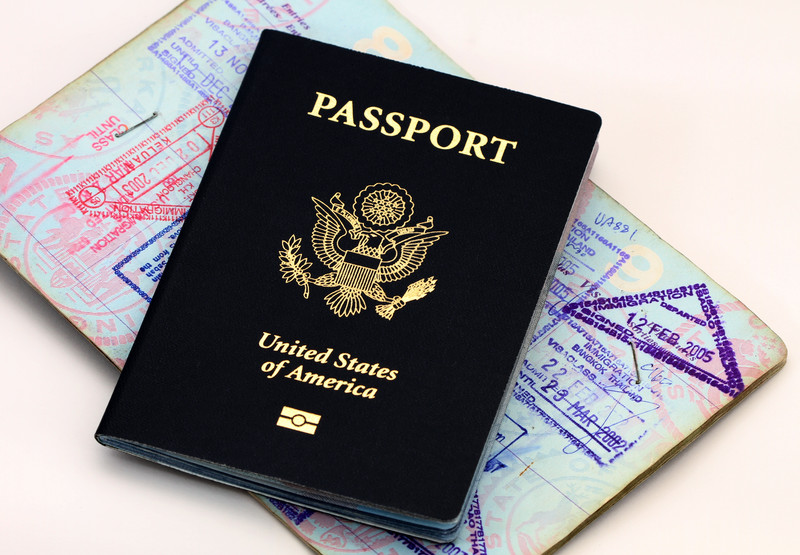
If you’re planning a trip to Indonesia, it’s important to make sure you have the correct travel documents for a smooth entry. Here’s what you need to know about passport and visa requirements for Indonesia:
Passport Requirements
Your passport must be valid for at least six months beyond your planned arrival date, with at least one blank page for entry stamps.
Visa Requirements
Most nationalities can enter using a Visa on Arrival (VOA), which costs around IDR 500,000 (approximately US$35) and is valid for 30 days. Citizens of some ASEAN countries may qualify for visa-exempt short stays. All travellers must also submit an online Arrival Card within three days before arrival via Indonesia’s official immigration portal (evisa.imigrasi.go.id).
Special Requirements for Minors
Minors travelling to Indonesia need their own valid passport, and in some cases a notarised parental consent letter may be requested by immigration officials, particularly if travelling without both parents.
Longer-Stay and Business Visas
If you need a visa not covered by the Visa on Arrival, such as a long-stay, business, or work visa, you’ll need to apply in advance through an Indonesian embassy or consulate, providing a completed application form, valid passport, photos, proof of travel itinerary, and proof of sufficient funds.
In summary, understanding Indonesia’s passport and visa requirements helps ensure a smooth and enjoyable trip. If you have any questions, feel free to contact our travel experts who can guide you through the process.
For visa types not covered by the Visa on Arrival – such as long-stay, business, or work visas – you’ll need to apply directly through an Indonesian embassy or consulate in your home country. Here’s what the process generally involves:
Gather the Required Documents
Requirements vary by visa type and nationality, but generally include a completed application form, a valid passport, passport-sized photos, proof of travel itinerary, and proof of sufficient funds. You may also need a letter of invitation, proof of accommodation, or a return ticket.
Submit Your Application
Applications are submitted to the Indonesian embassy or consulate in your country, along with the visa fee, which varies depending on visa type and nationality. Apply well ahead of your travel date to allow time for processing.
Wait for Processing and Collect Your Visa
Processing times vary by embassy and visa type. Once approved, you can collect your visa from the embassy or consulate, bringing your passport and any other required documents.
Applying for a visa at an Indonesian embassy or consulate requires careful planning. If you have any questions, feel free to contact our travel experts, who can guide you through the process.
Most travellers now apply for an electronic Visa on Arrival (e-VOA) in advance through Indonesia’s official immigration portal, evisa.imigrasi.go.id, which lets you pay and receive approval online before you fly, avoiding the arrival queue. All travellers must also submit an online Arrival Card within three days before landing, via the same portal.
Discovery DMC can assist travellers with the e-VOA application and Arrival Card submission ahead of their trip – just share your passport details (name as it appears on your passport, nationality, passport number, and a recent photo) and we’ll guide you through the process.
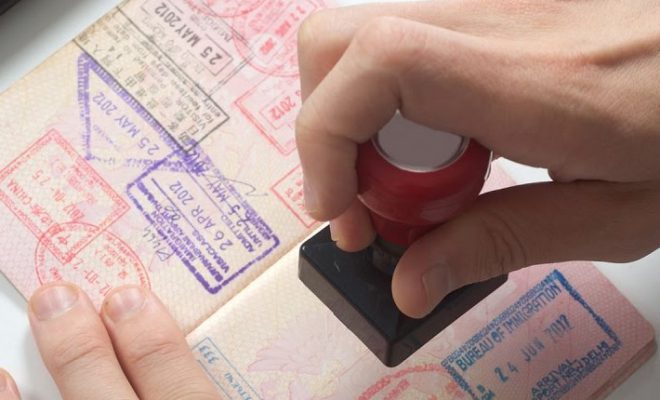
A 30-day Visa on Arrival or e-VOA can be extended once for an additional 30 days through Indonesia’s official immigration portal (evisa.imigrasi.go.id). Since May 2025, travellers must attend an immigration office in person to complete the extension – it can no longer be finished entirely online.
Overstaying incurs a fine of IDR 1,000,000 per day. Longer or repeated overstays can lead to detention, deportation, and being blacklisted from future entry to Indonesia. To avoid this, apply for your extension before your current visa expires, or plan your itinerary accordingly.
Travelling in Indonesia
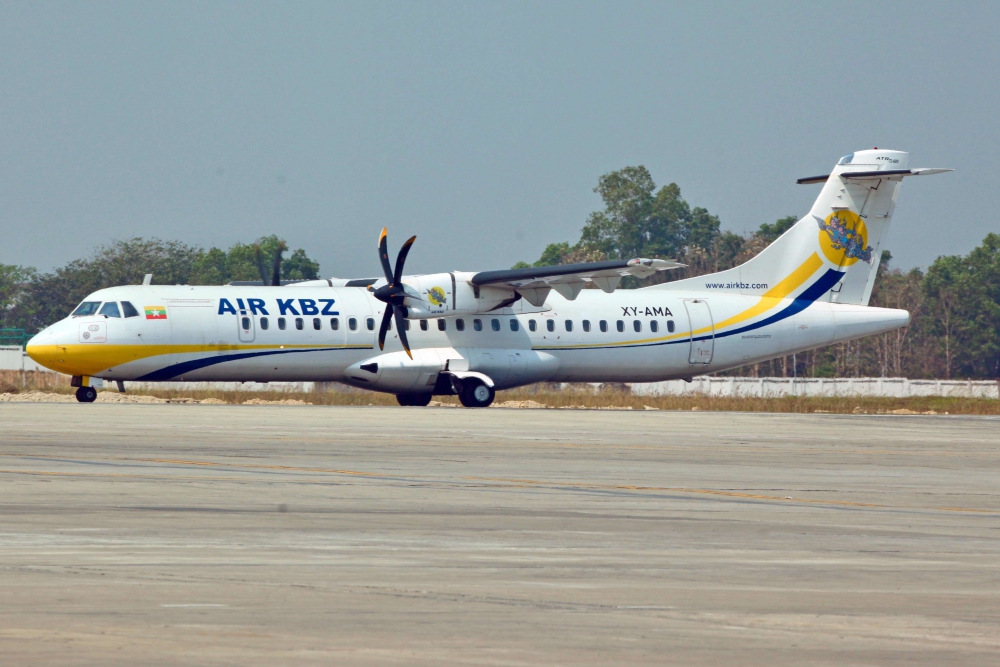
With over 17,000 islands, flying is often the most practical way to get around Indonesia. Garuda Indonesia, Citilink, Batik Air, Lion Air, and Super Air Jet connect major hubs such as Jakarta, Denpasar (Bali), Surabaya, and Makassar, while smaller regional carriers reach more remote destinations. Domestic flights are generally affordable and frequent between popular tourist islands.
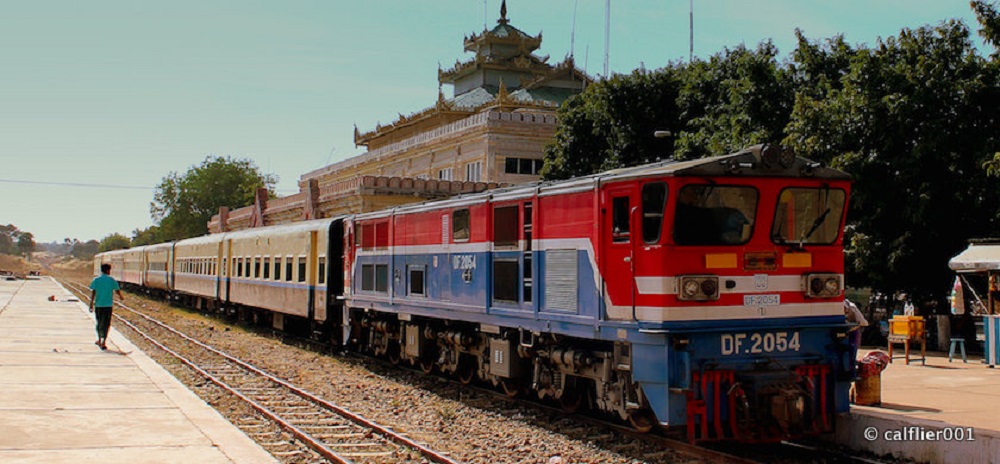
Java has a well-developed rail network operated by KAI (Kereta Api Indonesia), connecting cities such as Jakarta, Bandung, Yogyakarta, and Surabaya, plus the Whoosh high-speed line between Jakarta and Bandung.
Ferries and larger Pelni passenger ships link the thousands of islands, from short hops between Bali, Lombok, and the Gili Islands to longer inter-island routes across the archipelago. Buses and minivans cover overland routes on the larger islands, and private drivers are a popular, flexible option for tourists.
In cities, ride-hailing apps such as Gojek and Grab are widely used and convenient for getting around, covering everything from motorbike taxis to cars.
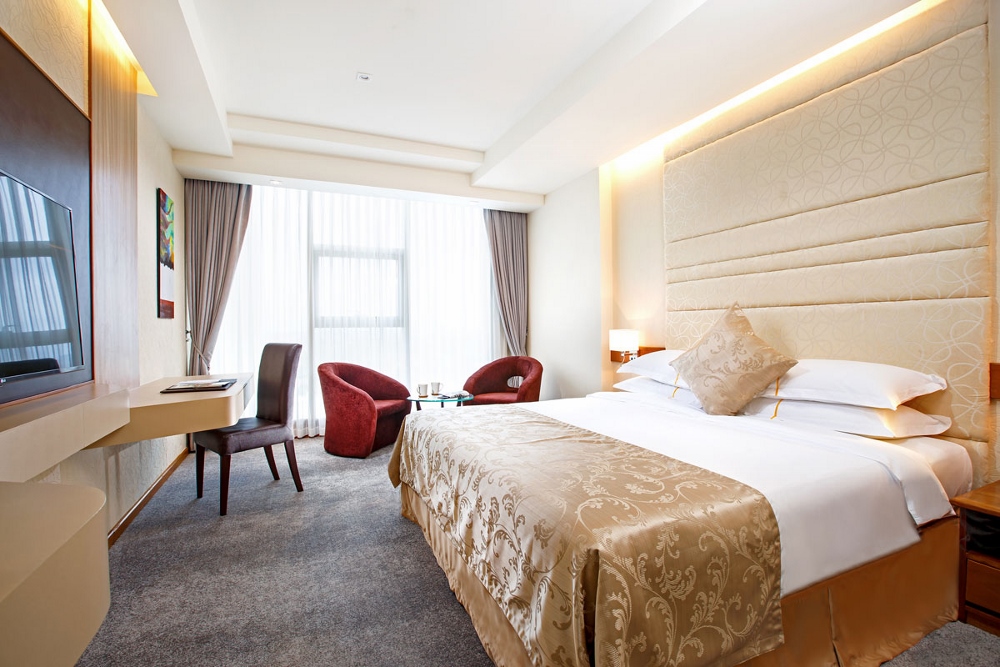
As a hugely popular tourist destination, Indonesia offers a wide range of accommodation to suit every budget and travel style.
Hotels and Resorts:
Indonesia has an excellent range of hotels and resorts, from budget-friendly options to some of Asia’s most celebrated luxury properties, particularly in Bali. Standards vary with price range, but you can generally expect clean, comfortable rooms and good amenities.
Homestays and Losmen:
For a more local experience, homestays and losmen (small family-run guesthouses) are available in rural areas and traditional villages, offering a closer look at local culture and daily life.
Hostels:
Budget travellers will find hostels in most tourist hubs, offering shared dormitory rooms with basic amenities such as Wi-Fi, lockers, and communal bathrooms.
Regardless of the type of accommodation you choose, you can expect a warm and friendly welcome – Indonesia is renowned for its hospitality.

Bali and Jakarta are cosmopolitan, with no particular dress code and a wide variety of styles seen on the street. However, away from resort areas, dress is more conservative, so it’s wise to cover shoulders and knees when visiting temples, mosques, or rural communities. Aceh province follows Sharia law and expects modest dress from all visitors.
Lightweight clothing in natural fibres (linen, cotton, or light wool) suits Indonesia’s hot, humid climate best. Rain is frequent in the wet season, so quick-drying fabrics are useful. Hotels, restaurants, and malls are often strongly air-conditioned, so a light sweater or shawl is handy. Sunscreen, sunglasses, and a hat are essential year-round. Sarongs are usually provided for temple visits in Bali, and swimwear is fine at pools and beach resorts but not elsewhere.
Mobile & Internet

Staying connected while travelling is easy in Indonesia, which has reliable mobile coverage in cities and popular tourist areas.
The main providers are Telkomsel, Indosat Ooredoo Hutchison, XL Axiata, and Tri (3), offering a range of prepaid and postpaid plans. Telkomsel generally has the widest reach, including into more remote islands, though coverage can still be patchy off the beaten track.
International roaming is available but can be expensive, so check with your home provider first. It’s usually cheaper and more convenient to buy a local SIM or eSIM on arrival – these are widely available at airports, convenience stores, and mobile provider outlets.
Wi-Fi is widely available across Indonesia, with most hotels, cafes, and restaurants in tourist areas offering free access to customers, and many public spaces and attractions doing the same.
For internet on the go, mobile data from Telkomsel, Indosat, XL Axiata, or Tri is fast and affordable in most areas, with 4G standard and 5G expanding in major cities. Local SIM cards and eSIMs are easy to buy at airports, convenience stores, and provider outlets.
Bali and Jakarta in particular are well-equipped with co-working spaces offering reliable internet, meeting rooms, and a comfortable environment for remote work.
Indonesia Overview
| Country Name: | Indonesia (Republic of Indonesia) |
| President: | Prabowo Subianto |
| Population: | Approx. 288 million (2026 estimate) – the world’s 4th most populous country |
| Capital: | Jakarta (a new capital, Nusantara, in East Kalimantan, is under construction, but Jakarta remains the constitutional capital) |
| Cities: | Jakarta, Surabaya, Bandung, Medan, Denpasar |
| Area: | 1,904,569 km2 (735,358 sq mi) |
| Highest point: | Puncak Jaya 4,884 m (16,024 ft) |
| Languages: | Indonesian (Bahasa Indonesia), plus 700+ regional languages |
| Religions: | 87% Islam, 10% Christianity, 1.7% Hinduism, 0.7% Buddhism, small Confucian and other minorities |
| Ethnic groups: | Javanese (largest, roughly 40%), Sundanese, Batak, Madurese, Betawi, Minangkabau, Balinese, and hundreds of others |
| Time: | WIB UTC+7 (Java/Sumatra), WITA UTC+8 (Bali/Kalimantan/Sulawesi), WIT UTC+9 (Maluku/Papua) |
| Country code: | +62 |
| Currency: | 1USD = approx. 17,900 Indonesian Rupiah (IDR) (rates fluctuate) |
Being equatorial, Indonesia is warm year-round, though the ideal time to visit varies by region. The dry season, roughly April to October, is generally best for Bali, Java, and Lombok, while the wet season (November to March) brings afternoon showers and higher humidity. Sumatra and Kalimantan stay humid with rainfall spread more evenly across the year, and Raja Ampat and eastern islands have their own seasonal patterns. As a rough guide, the shoulder months of April-May and September-October often combine good weather with fewer crowds.
GMT+7 to GMT+9, depending on the region (Bali and Lombok are GMT+8).
Language & Culture
The official language is Bahasa Indonesia (Indonesian), which is understood nationwide alongside hundreds of regional languages and dialects, such as Javanese, Sundanese, and Balinese. English is spoken at most hotels and in tourist areas, and Discovery DMC can arrange guiding services in English and several other major languages on request.

Avoid drinking tap water – stick to bottled or filtered water, and take care with ice and peeled fruit from street vendors. Use your right hand for eating and for giving or receiving items, as the left hand is considered less polite in many parts of Indonesia. Dress modestly and remove your shoes when visiting mosques, temples, or private homes. Public displays of affection are frowned upon outside tourist resorts. Show extra respect for local customs in Bali’s Hindu temples and in Aceh, which follows Sharia law and expects modest dress from all visitors. Indonesia has extremely strict drug laws, including the death penalty for trafficking, so never carry or use illegal drugs. Photography at military installations, airports, and some government buildings is restricted.
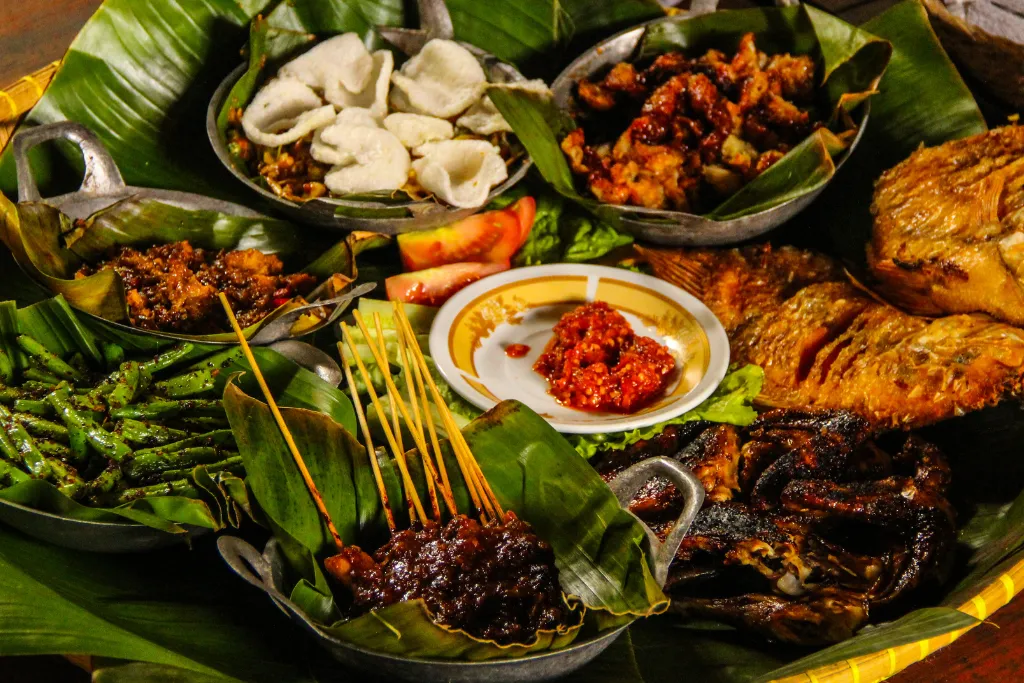
Indonesian cuisine centres on rice and noodle dishes, with huge regional variety across the archipelago. Classics include nasi goreng (fried rice), satay, rendang, gado-gado, and countless regional specialities from Sumatra to Sulawesi.
As a majority-Muslim country, most Indonesian food is halal, so pork is uncommon outside Chinese-Indonesian dishes. Bali is a notable exception, as its Hindu-majority population commonly eats pork, including the well-known babi guling (roast suckling pig). Warungs – small, informal local eateries – are a popular and affordable way to try authentic dishes, and eating out is a normal part of daily life for many Indonesians.
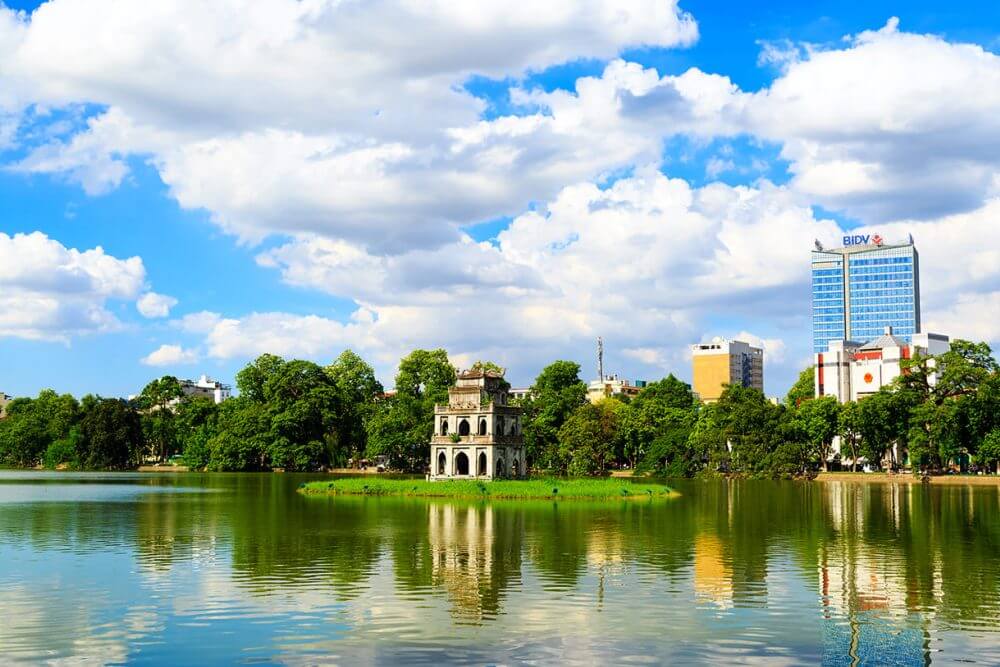
Straddling the equator, Indonesia has a hot, humid tropical climate year-round. Lowland temperatures typically range from 26°C to 33°C, while highland areas such as the hill towns of Java and Bali are noticeably cooler, often 15°C to 25°C.
Most of the country has a wetter season from around October/November to March and a drier season from April to September, though this varies significantly by island – Sumatra and Kalimantan tend to see rain spread more evenly through the year, while Bali, Java, and the Nusa Tenggara islands have a more distinct dry season that’s popular for beach holidays.
Because the wet season still brings mostly short afternoon downpours rather than continuous rain, Indonesia can be visited comfortably at almost any time of year with the right planning.

In Indonesia the standard voltage is 230 V. The standard frequency is 50 Hz. The power sockets used are of type C and type F, similar to most of mainland Europe. If your devices use a different plug shape, bring a travel adapter – most phone and laptop chargers accept both 110V and 230V, but check your device before plugging in.
Money
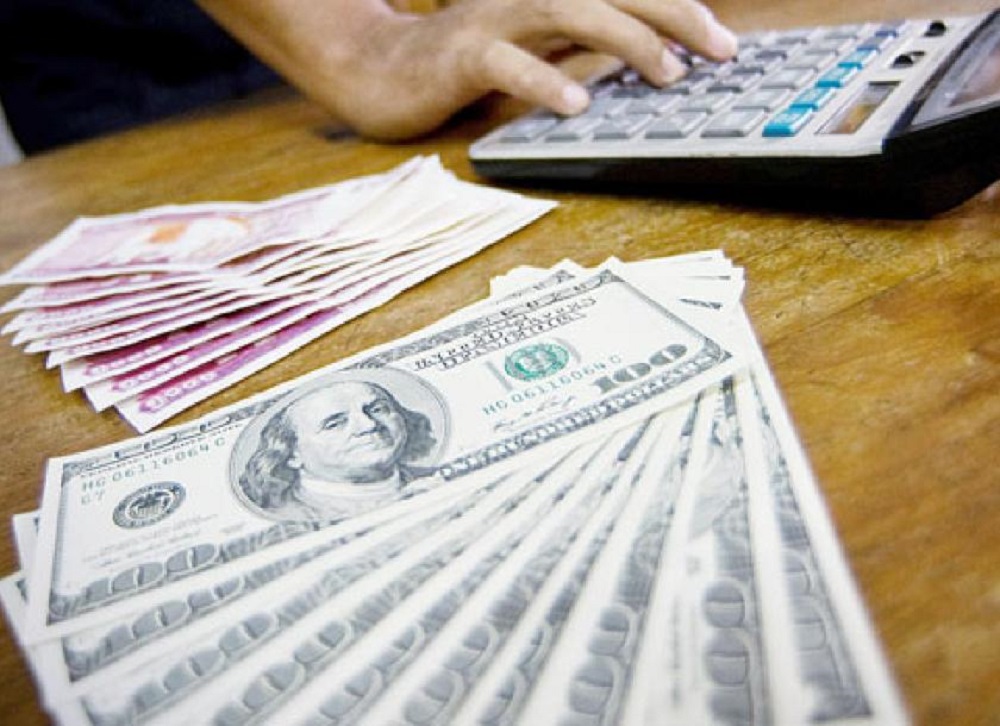
Bank Indonesia is the country’s central bank and the authority overseeing Indonesia’s currency, the Rupiah (IDR).
Money can be exchanged at banks, hotels, and licensed money changers (look for an official permit displayed) in Bali, Jakarta, and other tourist areas – airport counters tend to offer weaker rates. There’s no limit on bringing foreign currency into Indonesia, but travellers carrying cash or cheques worth IDR 100 million (around US$6,000) or more, in any currency, must declare it to customs on arrival or departure.
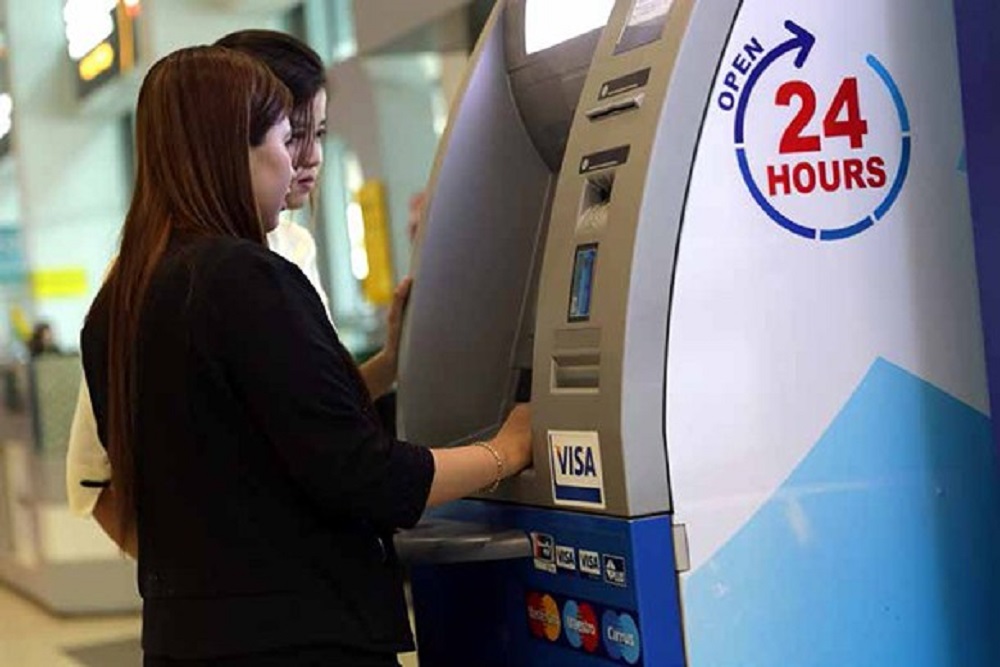
ATMs are widely available in cities, airports, and tourist areas throughout Indonesia, and most accept international Visa and Mastercard debit/credit cards. Withdrawal limits are typically IDR 1,500,000-3,000,000 per transaction, and your home bank will usually charge a foreign transaction fee on top of any local ATM fee. Credit cards are widely accepted at hotels, restaurants, and shops in Bali, Jakarta, and other major tourist destinations, though smaller warungs, markets, and rural areas are cash-only. Use ATMs located inside banks or shopping malls where possible, and keep some cash on hand as a backup, particularly for more remote islands.
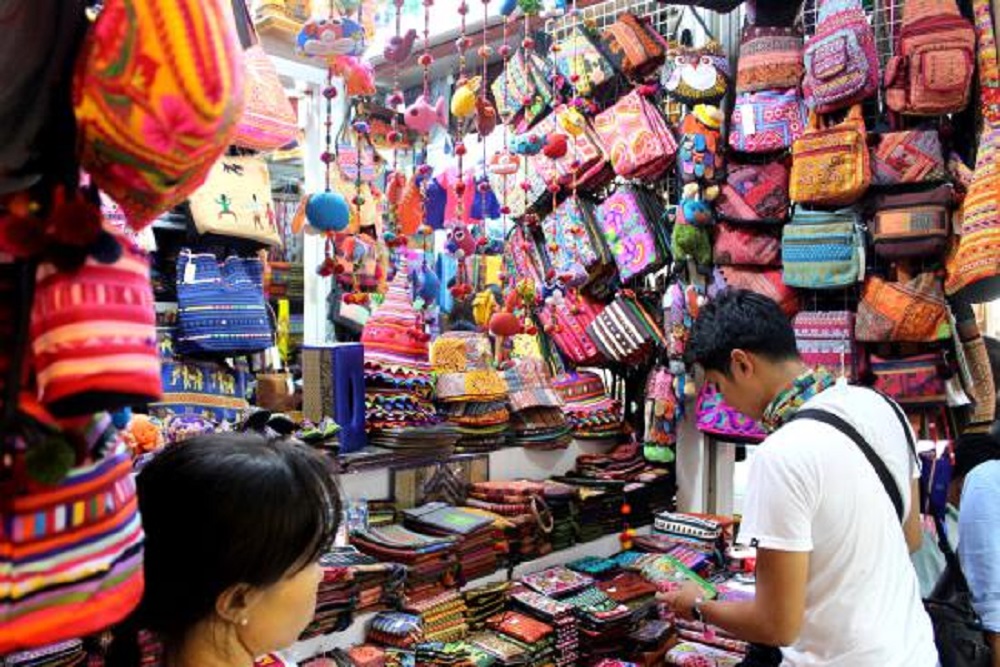
Indonesia is a fantastic destination for shopping, especially in Bali and Java. Ubud and Sukawati markets in Bali are known for batik textiles, wood carvings, and silver jewellery, while Jakarta’s malls offer international brands alongside local designers. Bargaining is expected at markets and with street vendors, but not in malls or fixed-price shops.

Tipping isn’t obligatory in Indonesia, but it’s increasingly common and appreciated. Many restaurants and hotels already add a 5-10% service charge to the bill; if not, rounding up or leaving 10% for good service is a nice gesture. For drivers, guides, and porters, a tip of IDR 20,000-50,000 (roughly US$1-3) per day is customary.