How Can We Help?
Essential travel information and frequently asked questions about Japan. Visa and immigration requirements and charges may vary depending on travellers nationality, please check the latest information on Japan authorities official website.
We look forward to your travels with us to Japan.
Japan Overview
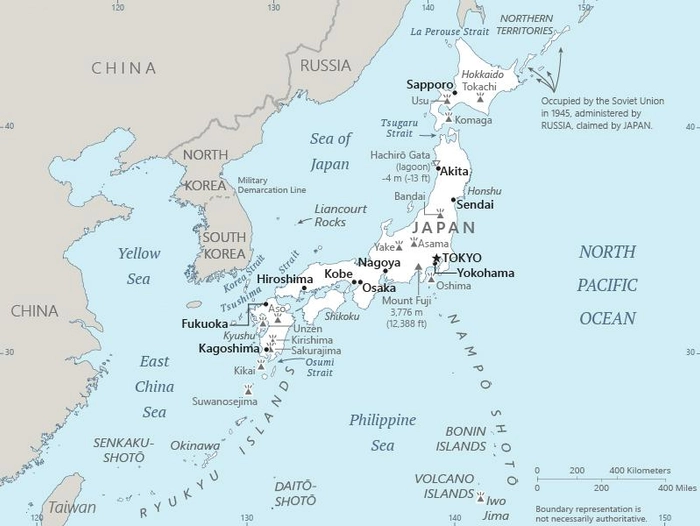
| Country Facts & Figures | |
|---|---|
| Country Name: | Japan |
| Prime minister: | Shigeru Ishiba |
| Population: | Approximately 124 million |
| Capital: | Tokyo |
| Cities: | Tokyo, Yokohama, Osaka, Nagoya, Sapporo, Fukuoka, Kawasaki, Kobe, Kyoto, Hiroshima, Nara, Sendai, Nagasaki, Kanazawa |
| Area: | 377,975sq.km (145,937sq.miles) |
| Highest point: | Mt. Fuji 3,776 metres (12,388 ft) |
| Languages: | Japanese |
| Religions: | A mix of Shinto and Buddhism, with a small percentage of Christianity and other religions. |
| Ethnic groups: | The dominant group is the Yamato Japanese, making up around 98% of the population. Other indigenous groups include the Ainu and Ryukyuan peoples. |
| Time: | UTC+9 (JST) |
| Country code: | +81 |
| Currency: | 1 USD = 147.21 Yen (¥) (JPY) |
Japan is a country of four distinct and beautiful seasons, each offering its own charm and unforgettable experiences. The best time to visit truly depends on the kind of journey you wish to have.
Spring (March – May)
One of the most magical times to travel to Japan. Cherry blossoms blanket temples, castles, and parks, creating picture-perfect scenes. The weather is pleasantly mild, making it ideal for sightseeing in Tokyo, Kyoto, and beyond.
Summer (June – August)
Japan in summer is vibrant and full of life. While June brings the rainy season, July and August are filled with colorful festivals, dazzling fireworks, and outdoor adventures. Hokkaido is a popular escape with cooler weather and flower-filled fields, while Okinawa’s islands offer pristine beaches.
Autumn (September – November)
Perhaps the most breathtaking season to visit. Comfortable temperatures and brilliant red and gold foliage transform landscapes into living art. Kyoto’s temples and Nikko’s mountains are especially enchanting during this time.
Winter (December – February)
A wonderland for snow lovers. Hokkaido and the Japanese Alps boast world-class ski resorts, while traditional hot spring villages like Hakone and Yudanaka invite travelers to soak and unwind. Cities such as Tokyo and Osaka remain lively with winter illuminations and seasonal cuisine.
GMT + 9 hours.
Travelling in Japan
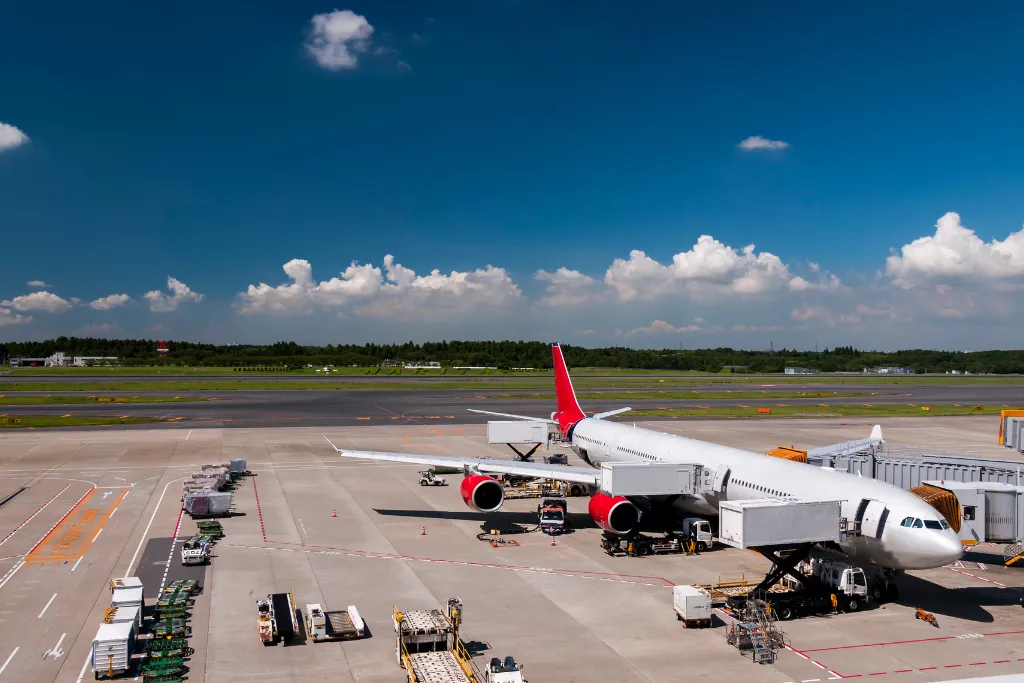
Japan is exceptionally well connected by air, making it effortless to combine multiple destinations in one journey. Leading carriers such as Japan Airlines (JAL) and All Nippon Airways (ANA) offer premium service and comfort, while regional airlines like Peach Aviation and Jetstar Japan provide convenient options for shorter hops. With modern airports, frequent schedules, and world-renowned hospitality, flying within Japan is a seamless and time-efficient way to travel in style.
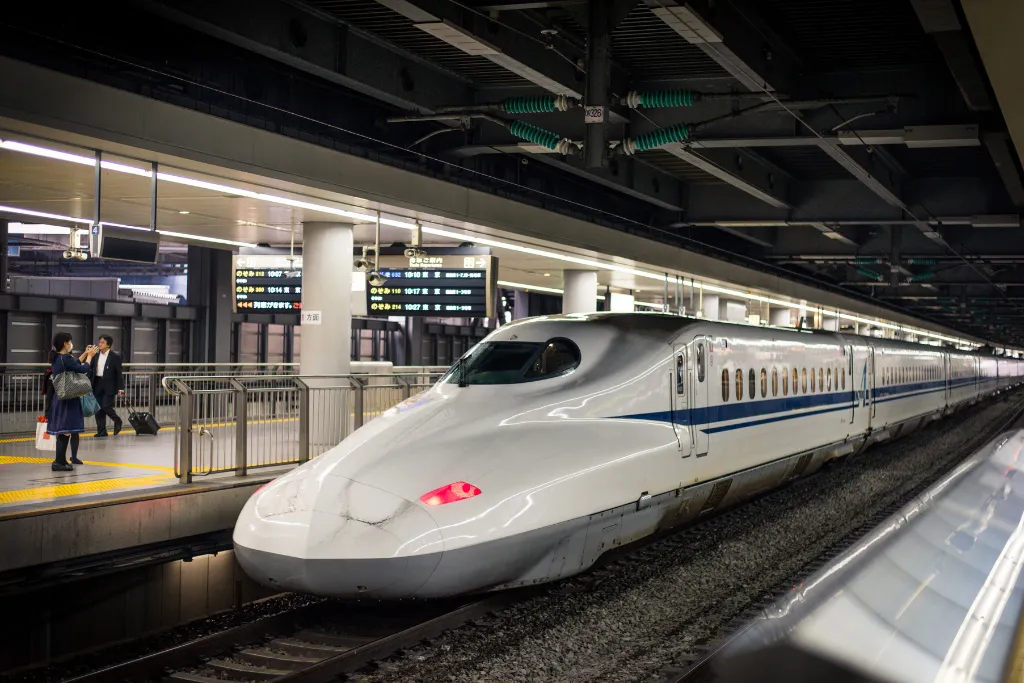
Traveling overland in Japan is an experience in itself. The country’s iconic Shinkansen bullet trains glide between major cities at incredible speed, offering first-class comfort, quiet cabins, and scenic views of the countryside. Local trains and limited express services connect even remote regions with ease, while private transfers and chauffeur-driven vehicles provide the ultimate in convenience and privacy. With Japan’s renowned punctuality and flawless service, overland journeys are not just about getting from place to place—they’re part of the luxury travel experience.

Japan offers an exceptional range of accommodations, blending impeccable service with refined design. In major cities, international luxury hotels and stylish boutique properties provide world-class amenities and contemporary comfort. Traditional ryokans (Japanese inns) invite guests to experience authentic hospitality, complete with tatami rooms, kaiseki dining, and soothing hot springs. Whether you choose a sleek urban retreat, a serene mountain ryokan, or a private villa by the sea, you can expect meticulous attention to detail, flawless cleanliness, and the warm, understated service Japan is renowned for. Discovery team will be glad to recommend some good options for your stay in Japan.
Language & Culture
The official language is Japanese. While English proficiency is generally low compared to other developed countries, travelers will find that it is widely understood in major cities and at popular tourist sites. Many signs and public transportation announcements in these areas are also in English. Learning a few basic Japanese phrases is highly appreciated by locals. Many tour companies and guide associations offer services in a variety of languages, including English, French, Spanish, German, Chinese, Italian, Portuguese, Russian, Korean, and Thai

Japan is one of the safest countries in the world when it comes to food and drink. Tap water is safe to drink everywhere, and dairy, meat, and seafood are prepared to high hygiene standards. Raw dishes such as sushi and sashimi can be enjoyed confidently when dining in reputable restaurants or hotels, while street food is generally safe if chosen from clean, busy stalls. Fresh fruits and vegetables can also be eaten raw, though it’s best to wash them before consumption. Beyond food safety, observing cultural etiquette will enrich your journey. Always remove your shoes before entering homes, temples, and traditional inns, and remember that tipping is not customary as excellent service is already included. Punctuality is valued, so arriving on time is a sign of respect. Public transport should be kept quiet, and when visiting temples or shrines, modest dress and a respectful bow are appreciated.
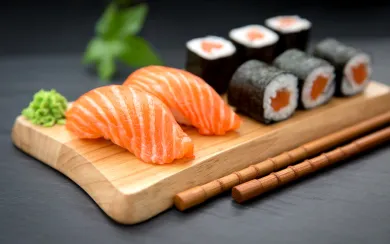
Japanese cuisine is celebrated worldwide for its refinement, freshness, and variety. While sushi and sashimi are the most iconic dishes, Japanese food goes far beyond raw fish. Meals are typically prepared with seasonal ingredients, balancing flavor, texture, and presentation. Staples such as rice, noodles (ramen, soba, and udon), and miso soup accompany many dishes, while seafood, wagyu beef, and locally grown vegetables take center stage.
Fruit in Japan is of exceptional quality, often beautifully presented and enjoyed in season—juicy strawberries, crisp apples, sweet melons, and fragrant persimmons are among the most popular.
Travelers can enjoy excellent dining experiences across the country, from casual ramen shops and bustling izakaya pubs to Michelin-starred restaurants offering exquisite kaiseki (multi-course) cuisine. Street food is also a highlight, particularly during festivals, with favorites like takoyaki (octopus balls), taiyaki (fish-shaped cakes), and yakitori (grilled skewers). With Japan’s strong emphasis on quality, freshness, and presentation, dining here is as much a cultural experience as it is a culinary one.
Visa & Border Crossings
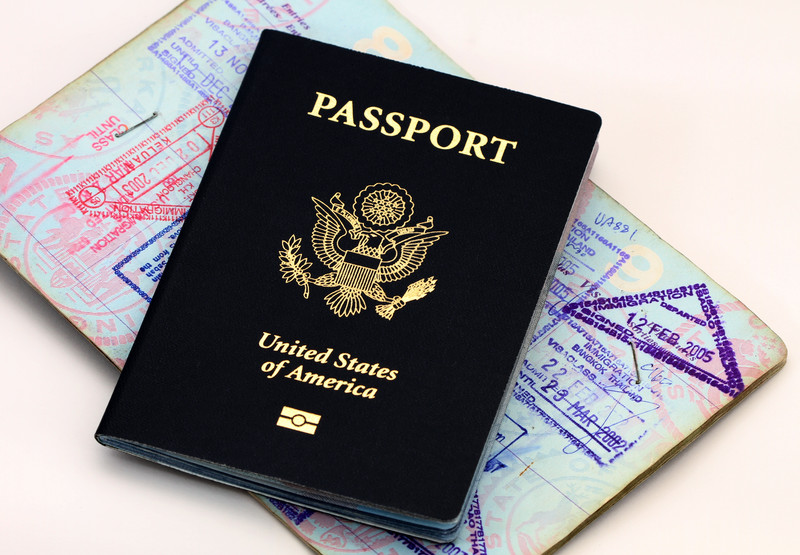
All travelers to Japan require a valid passport with at least six months remaining. Depending on nationality, many visitors can enter Japan visa-free for short stays of up to 90 days. Others may need a pre-arranged visa through a Japanese embassy or consulate, particularly if planning a longer stay or visiting for work, study, or other special purposes.

Yes, it is possible to apply for a tourist visa at any Japanese Embassy or Consulate. The requirements and duration depend on your nationality and travel plans. Many travelers from visa-exempt countries can enter Japan without a visa for short stays of up to 90 days, while others may need to obtain a visa in advance. If you plan to stay longer or engage in activities beyond tourism, such as work or study, a visa application through the embassy or consulate is required. Visa processing times vary, but most tourist visas are issued within a few business days. For more information and application guidelines, visit the official Japan e-visa portal.
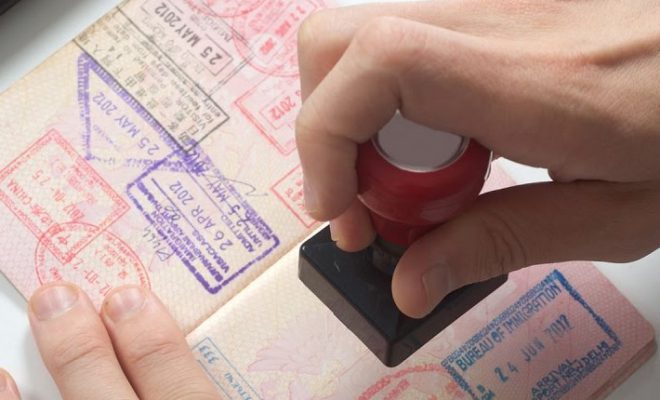
Overstaying your visa in Japan can lead to serious consequences. Japanese authorities take visa compliance very seriously, and penalties for overstaying include fines, deportation, and restrictions on future entry. Visitors who wish to extend their stay must apply for a visa extension at a local immigration office before their current visa expires. Overstaying even by a few days can result in substantial fines and difficulties re-entering Japan in the future, so it is essential to adhere strictly to your permitted stay.
Mobile & Internet

Japan has excellent mobile coverage nationwide, including major cities, highways, and even many rural areas. Travelers can easily purchase tourist SIM cards or pocket Wi-Fi devices at airports, major train stations, or electronics stores. Leading carriers include NTT Docomo, SoftBank, and au by KDDI, all offering reliable service and data plans. SIM cards can be conveniently topped up at convenience stores or online. International roaming may be expensive if your home operator does not have favorable agreements, so using a local SIM or pocket Wi-Fi is often the most cost-effective and reliable option.
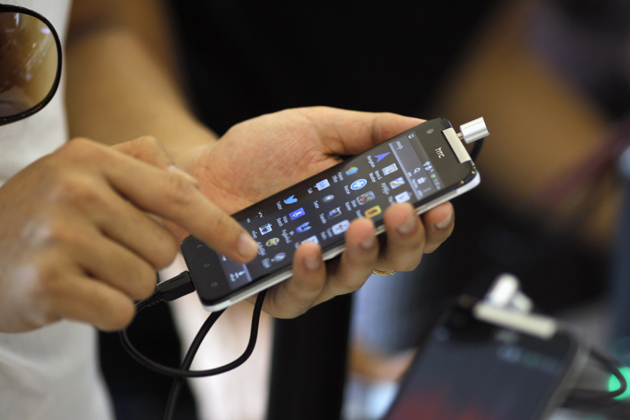
Internet access in Japan is widely available and generally fast and reliable. Most international and mid-to-luxury hotels offer complimentary Wi-Fi, often with high-speed connections. Internet cafés still exist in major cities, but speeds and comfort can vary. For travelers on the move, purchasing a local SIM card or renting a pocket Wi-Fi device with sufficient data is the best way to stay connected throughout your journey.
Money
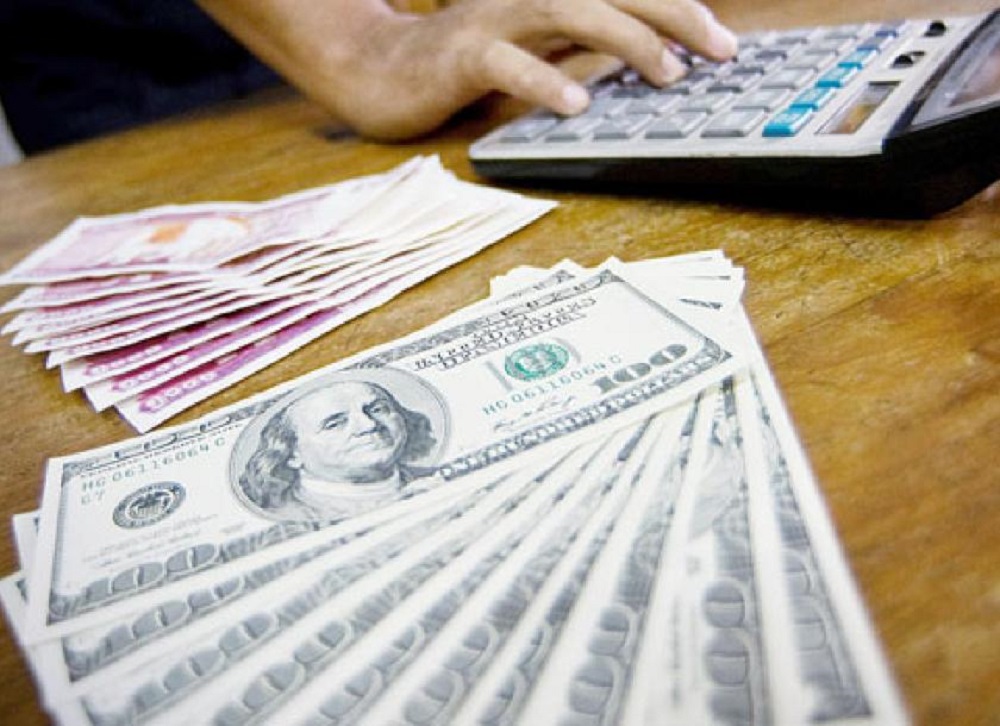
The currency of Japan is the Japanese Yen (JPY; symbol ¥). Notes are available in denominations of ¥10,000, ¥5,000, ¥2,000, and ¥1,000, while coins come in ¥500, ¥100, ¥50, ¥10, ¥5, and ¥1.
There are no strict limits on the import or export of foreign currency, but amounts exceeding ¥1,000,000 must be declared to Japanese customs.
Foreign currency can be exchanged at banks, which generally offer the best rates, or at official currency exchange counters found in airports, major train stations, and hotels (though hotel rates may be less favorable). In rural areas or smaller towns, exchanging high-value notes may be difficult, so it is advisable for travelers to carry some small change for convenience.
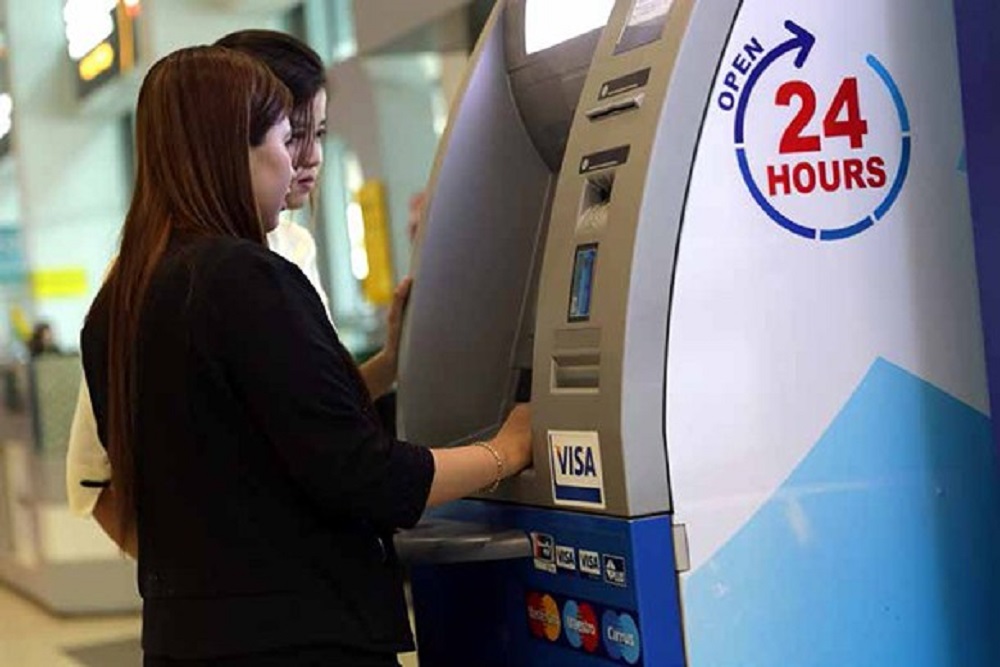
Visa, MasterCard, and American Express credit cards are widely accepted at major hotels, department stores, and restaurants, particularly in cities. ATMs are available throughout Japan, with reliable access at banks, post offices, convenience stores (such as 7-Eleven, Lawson, and FamilyMart), and airports. Travelers should note that not all ATMs accept foreign cards, so it’s best to use international-friendly machines found at major locations.
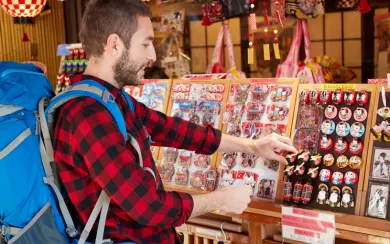
Shopping in Japan is an experience that will delight even the most discerning travelers. From the sleek, high-end boutiques and expansive, air-conditioned department stores in cities like Tokyo and Osaka, to the vibrant street markets and specialty shops in Kyoto and smaller towns, Japan offers a remarkable variety of shopping experiences. Visitors can find everything from traditional crafts, exquisite ceramics, and kimonos, to the latest fashion, designer jewelry, electronics, and cutting-edge gadgets. Whether you are hunting for rare antiques, luxury brands, or unique souvenirs, Japan’s shopping scene is both thrilling and endlessly fascinating.
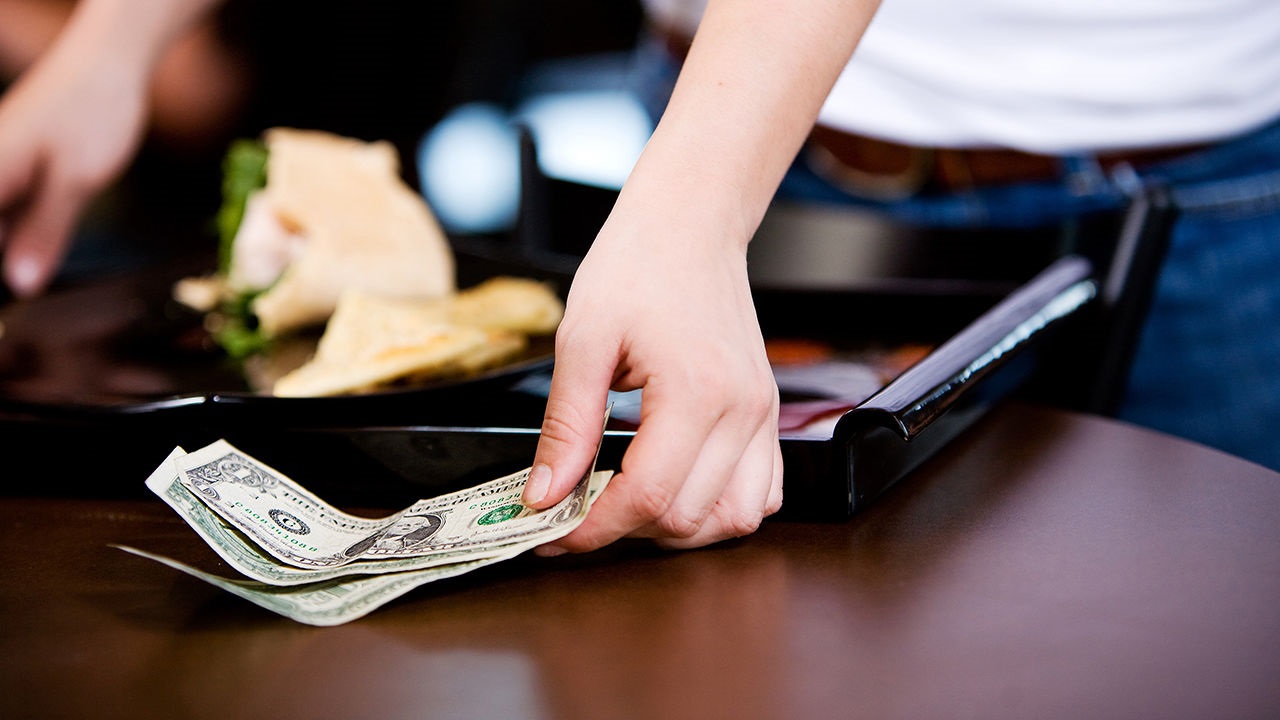
Tipping is generally not customary in Japan and can even be considered unusual. Excellent service is considered standard, and staff take pride in their work without expecting extra gratuities. In hotels, restaurants, taxis, or for guides, tipping is typically unnecessary, as service charges are often already included in your bill.
If you wish to show appreciation for exceptional service, it is best done discreetly—such as placing cash in a small envelope or offering a thoughtful gift—rather than handing money directly. Any gesture should reflect genuine gratitude rather than obligation.
