How Can We Help?
Essential travel information and frequently asked questions about Laos. Visa and immigration requirements and charges may vary depending on travellers nationality, please check the latest information on the Lao PDR Department of Immigration’s official website.
We look forward to your travels with us to Laos.
Laos Overview
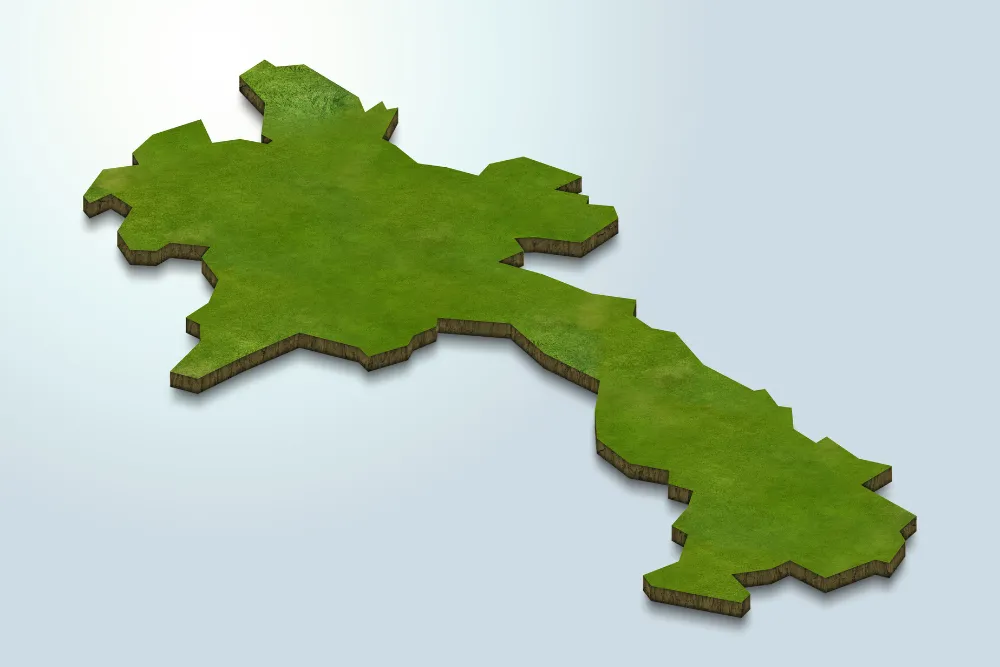
| Country Facts & Figures | |
|---|---|
| Country Name: | Laos (Lao People’s Democratic Republic) |
| President: | Thongloun Sisoulith |
| Prime Minister: | Sonexay Siphandone |
| Population: | Approximately 7.7 million (2024 estimate) |
| Capital: | Vientiane |
| Area: | 236,800 km2 (91,400 sq mi) |
| Highest point: | Phou Bia, 2,818 m (9,245 ft) |
| Languages: | Lao (official); French used in government; English increasingly spoken in tourism; ethnic minority languages include Khmu and Hmong |
| Religions: | Buddhist 66%, Tai folk religion 31%, Christian 1.5%, other 1.5% |
| Ethnic groups: | Lao 53%, Khmu 11%, Hmong 9%, Phu Thai 3%, Tai 3%, other 21% |
| Time: | Indochina Time, UTC+7 |
| Country code: | +856 |
| Currency: | 1 USD = approx. 22,600 Lao Kip (LAK) (rates fluctuate) |

Laos has a tropical monsoon climate. The cool, dry season from November to February is the most popular time to visit, with pleasant daytime temperatures and low rainfall, though nights can be chilly in the mountains and around Luang Prabang.
March and April are hot and dry, with hazy skies from seasonal agricultural burning. The rainy season runs from May to October, bringing lush green landscapes and heavier afternoon downpours, particularly in the south.
Laos follows Indochina Time (ICT), which is GMT/UTC+7 year-round, with no daylight saving changes.
Travelling in Laos
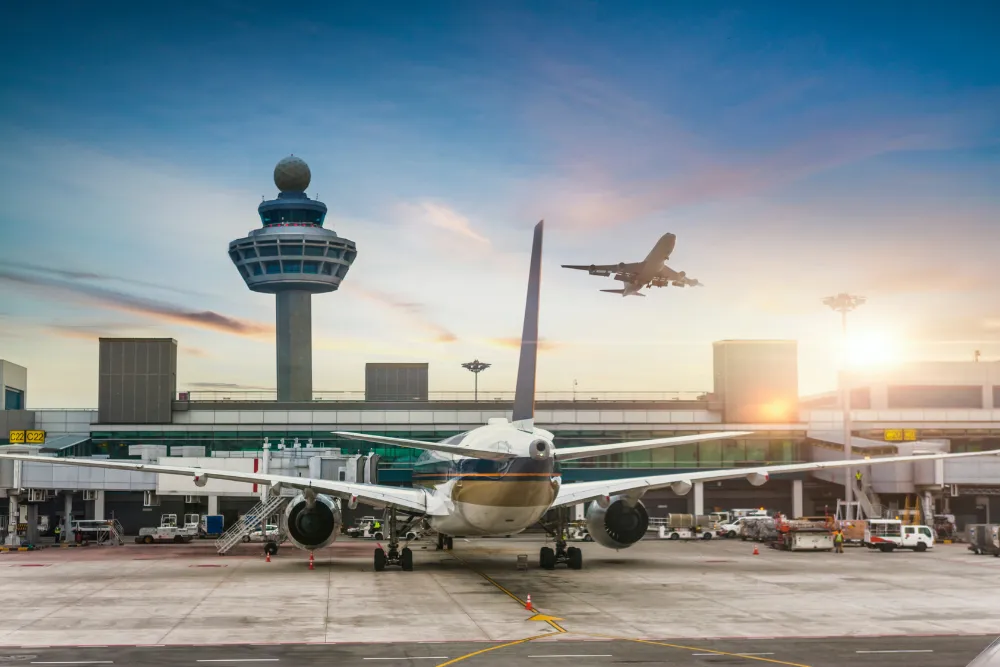
Laos has three international airports: Wattay International Airport in Vientiane, Luang Prabang International Airport, and Pakse International Airport. There are no direct long-haul flights, so most travellers connect via regional hubs such as Bangkok, Hanoi, Ho Chi Minh City, Siem Reap, or Kuala Lumpur. Overland entry is also possible via border crossings with Thailand, Vietnam, Cambodia, and China.
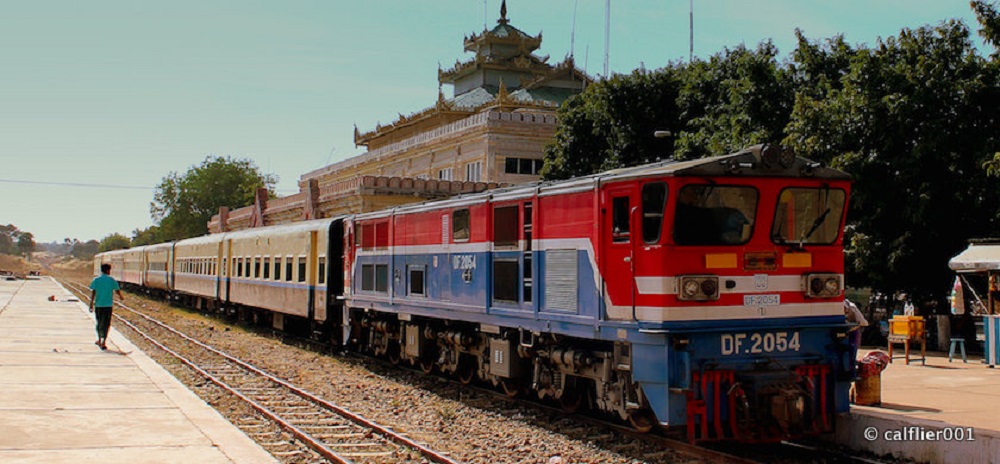
Overland travel in Laos is slower-paced than elsewhere in the region. The Laos-China Railway connects Vientiane to Luang Prabang and on to the Chinese border at Boten in under three hours, and is the fastest way to travel between major towns. Buses and minivans link most provinces, tuk-tuks and songthaews (shared pick-up trucks) handle short local journeys, and slow or speed boats remain a scenic way to travel the Mekong River. Roads in mountainous areas can be winding and slow, so a private car with driver is recommended for comfort.
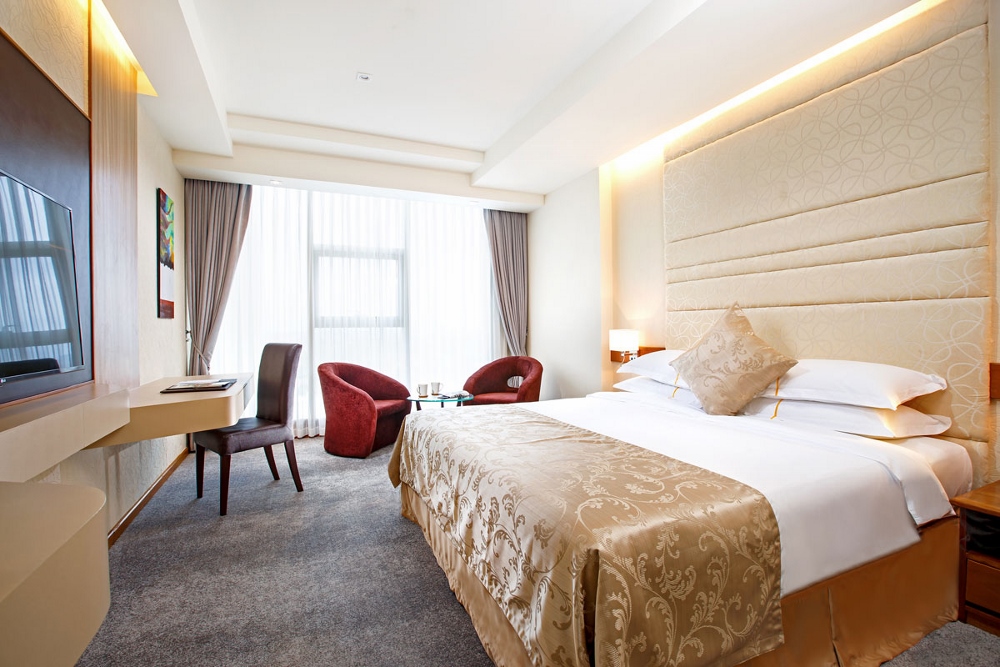
Laos offers a wide range of accommodation, from restored French-colonial heritage properties and luxury boutique hotels in Luang Prabang and Vientiane, to comfortable mid-range hotels and simple guesthouses across the provinces. Options become more basic in remote and rural areas, so we recommend booking well-reviewed properties in advance, particularly during the high season from November to February.
Language & Culture
Lao is the official language of Laos. French is still used in some government and legal contexts as a legacy of French colonial rule, and English is increasingly spoken in hotels, restaurants, and tour services in tourist areas. Many ethnic minority groups, such as the Khmu and Hmong, also speak their own languages.

Laos is a predominantly Buddhist country with conservative social customs. Dress modestly when visiting temples, covering shoulders and knees, and remove your shoes before entering temples and private homes. Avoid touching anyone’s head, including children’s, and never point your feet at a person or a Buddha image, as the head is considered sacred and the feet the lowest part of the body.
Women should not touch monks or hand things to them directly. If you’d like to observe the early morning alms-giving ceremony (tak bat) in Luang Prabang, do so quietly, dress respectfully, and keep a respectful distance.
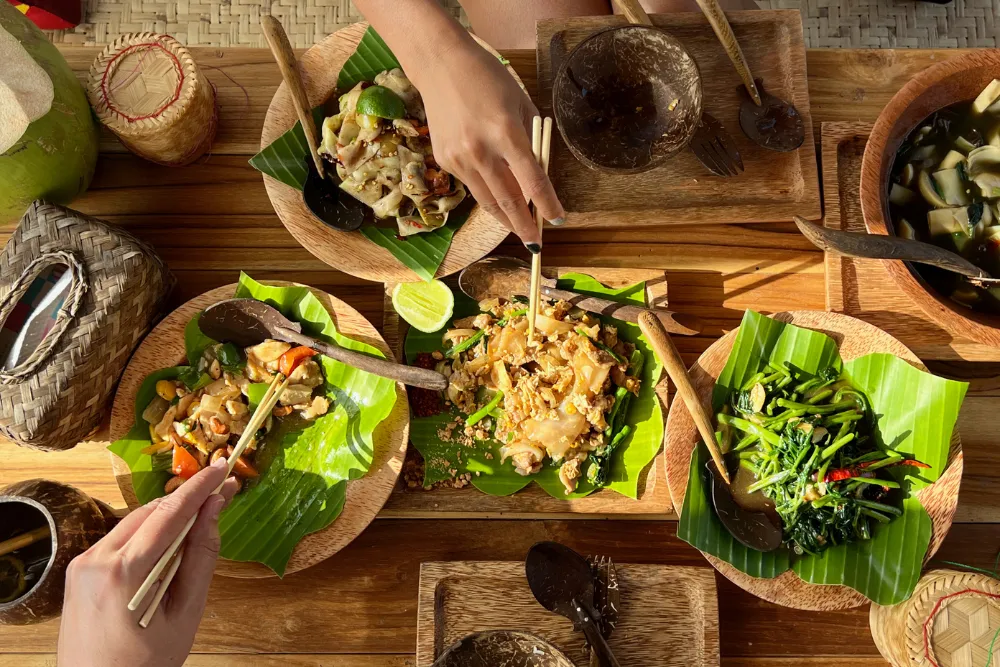
Lao cuisine centres on khao niao (sticky rice), traditionally eaten by hand with most meals. The national dish is larb, a herb-packed minced meat salad seasoned with fish sauce, lime, and toasted rice. Other favourites include tam mak hoong (spicy green papaya salad) and fresh fish from the Mekong River.
Meals are typically shared family-style, and Beerlao, the popular local beer, is a common accompaniment. In towns and tourist areas it is best to drink bottled or filtered water rather than tap water, and to choose busy food stalls for freshness.
Visa & Border Crossings
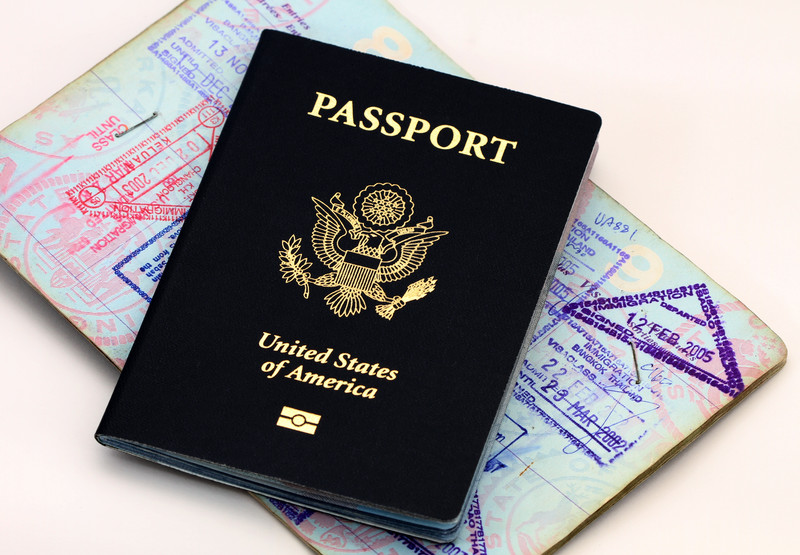
Your passport should be valid for at least 6 months beyond your intended stay in Laos. Many nationalities, including ASEAN countries, can enter visa-free for stays ranging from 14 to 30 days. Most other nationalities, including the US, UK, EU, Australia, and Canada, can obtain a visa on arrival at major airports and border crossings for stays of up to 30 days, extendable once for a further 30 days.
Alternatively, travellers can apply for an eVisa online in advance via the official Lao eVisa portal, or obtain a tourist visa of up to 60 days from a Lao embassy or consulate. Requirements and eligible nationalities can change, so always check the latest details on the Lao PDR Department of Immigration’s official website before you travel.
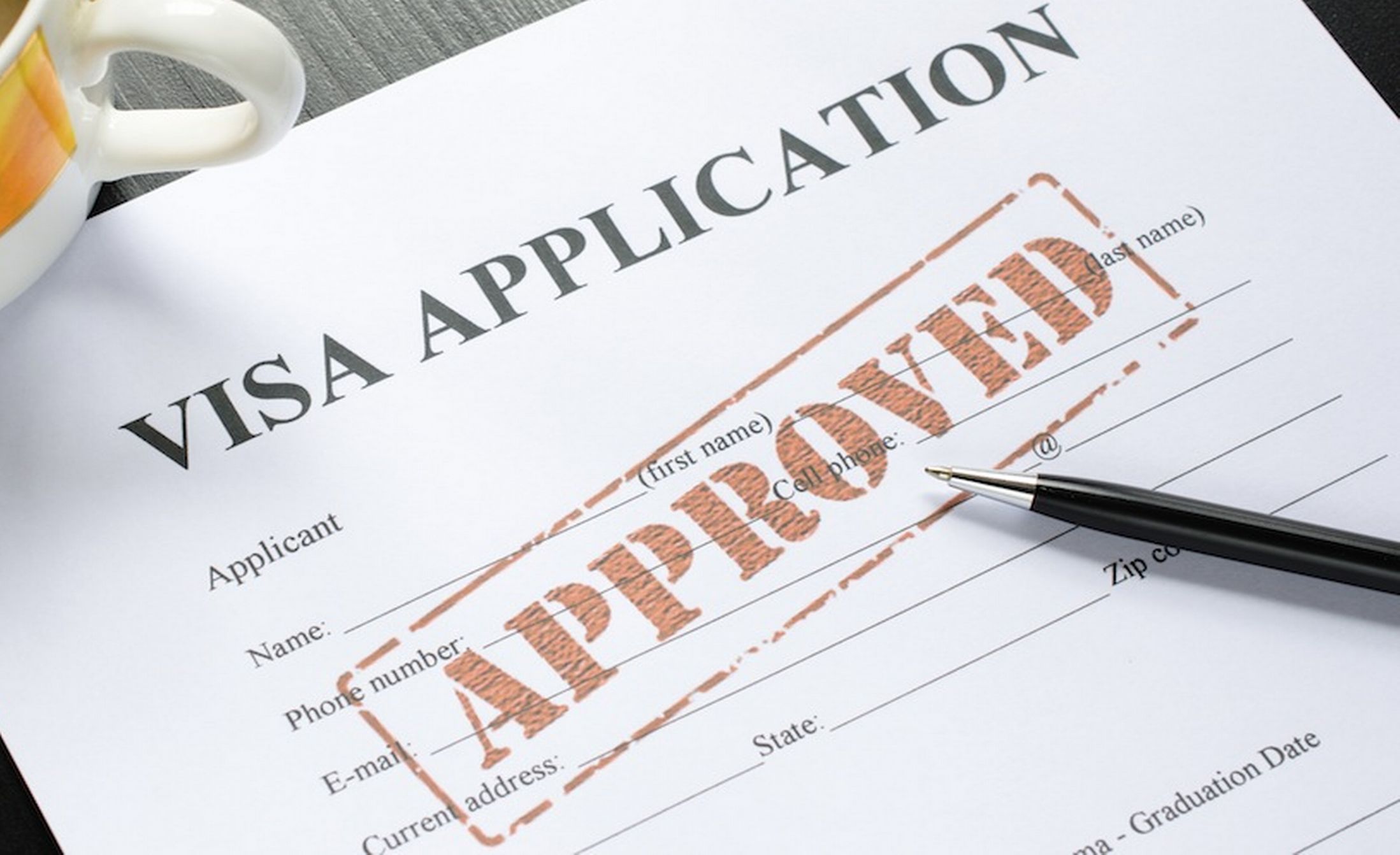
The easiest option for most travellers is the official Lao eVisa, applied for online in advance through the government’s eVisa portal. The process involves completing an online application, uploading a passport photo and passport scan, and paying the visa fee by card; approval typically takes around 3 working days, and the eVisa should be printed and carried when you travel.
Alternatively, you can apply in person at a Lao embassy or consulate in your home country, or obtain a visa on arrival at major airports and border checkpoints. You’ll typically need your passport (valid at least 6 months), a completed application form, a passport photo, and the visa fee in cash (usually USD). Processing times vary by mission and entry point, so it’s best to apply well ahead of your travel date and check current requirements on the official Lao immigration and eVisa websites.
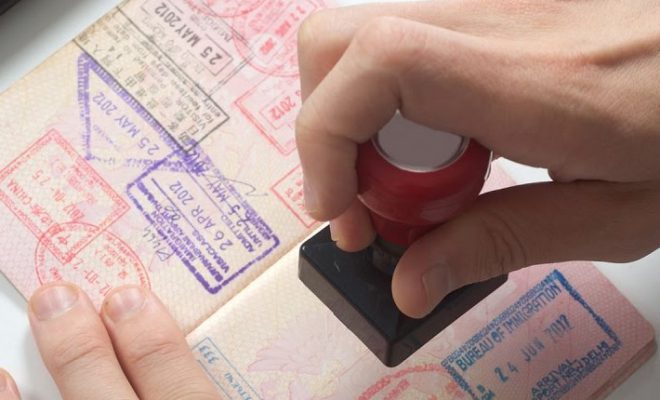
If you wish to stay longer than your visa allows, extensions can generally be arranged at immigration offices in Vientiane, Luang Prabang, or other provincial capitals before your current permit expires. It’s best to apply a few days ahead, as processing can take some time.
Laos enforces an overstay fine of approximately USD 10 per day, payable in cash when you depart the country. Longer overstays may result in additional penalties or complications at the border, so it’s best to extend your visa or depart before it expires, and to check current rules on the official Lao immigration website.
Mobile & Internet

Laos has reasonably good mobile coverage in cities and along main tourist routes, provided by network operators including Unitel, Lao Telecom, and Beeline. 4G is widely available in Vientiane, Luang Prabang, and other major towns, but coverage can become patchy or drop to 3G/2G in mountainous or remote rural areas.
Tourist SIM cards are inexpensive and easy to buy at the airport, telco shops, and many convenience stores, and are a convenient way to stay connected with data for maps, translation, and messaging apps throughout your trip.
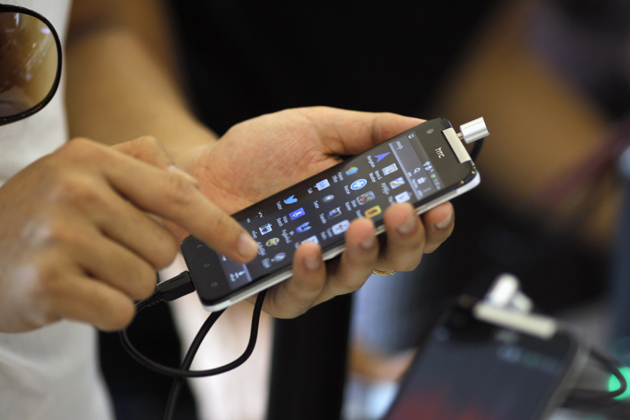
Wi-Fi is widely available in hotels, guesthouses, cafes, and restaurants in Vientiane, Luang Prabang, and other well-visited towns, though speeds and reliability can vary and may slow down considerably in rural or mountainous areas.
For more consistent access on the move, a local prepaid SIM card with a data plan is an affordable and convenient option, available from telco shops, the airport, and many convenience stores. Coverage and connection quality generally decline the further you travel from major towns and cities.
Money
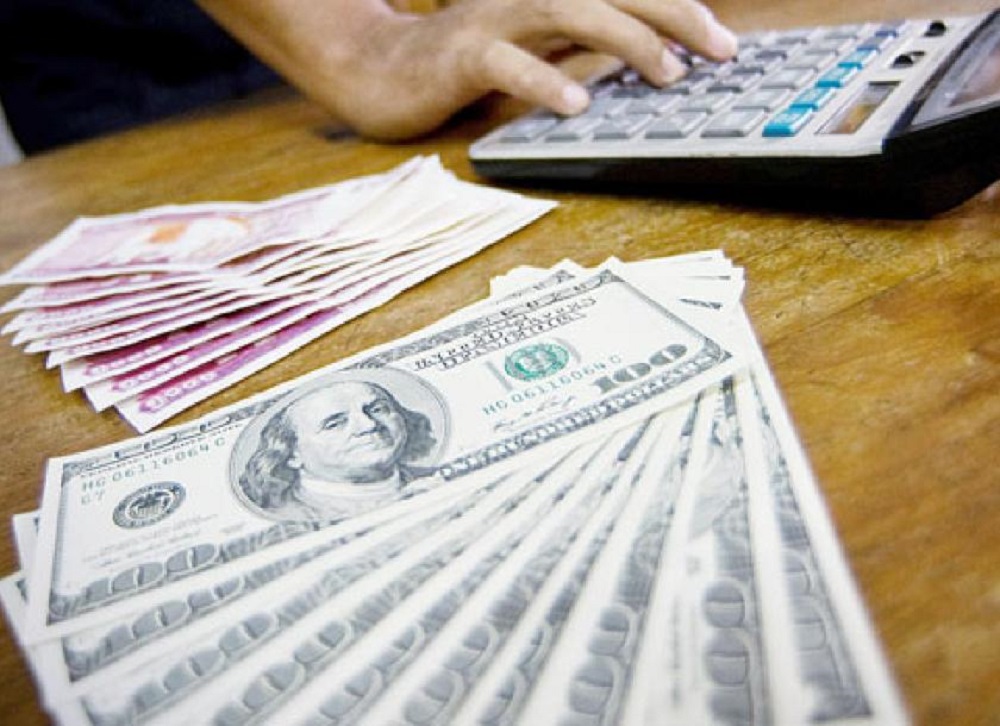
The currency of Laos is the Lao Kip (LAK). Exchange rates fluctuate, but as a guide, 1 USD is currently worth approximately 22,600 LAK. US dollars and Thai baht are also widely accepted for larger purchases, tours, and accommodation, especially in tourist areas.
Banks and licensed money changers in Vientiane, Luang Prabang, and other towns generally offer fair exchange rates. It’s a good idea to carry sufficient cash, particularly smaller denominations of Kip, for markets, local transport, and rural areas where card payments and currency exchange facilities are limited.
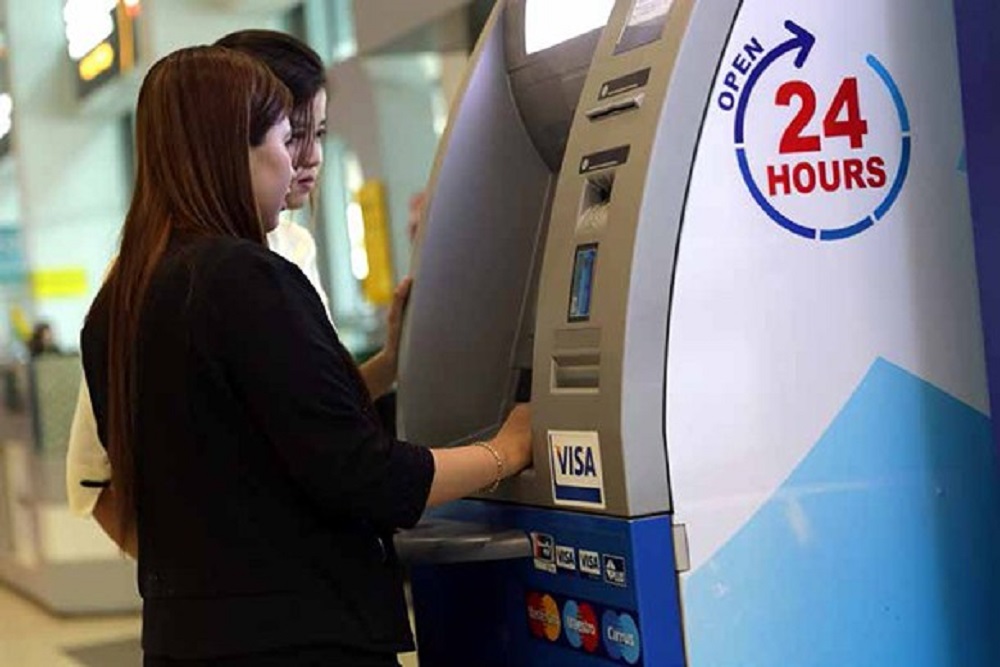
ATMs are available in Vientiane, Luang Prabang, and other main towns and cities, and most accept international Visa and Mastercard cards. Lao ATMs typically dispense Kip and often have relatively low withdrawal limits per transaction, along with a foreign transaction fee, so you may need to make multiple withdrawals.
ATMs become scarce in rural and remote areas, so it’s wise to withdraw cash while in larger towns before heading off the beaten path. Credit cards are accepted at many hotels and upscale restaurants, but cash remains essential for markets, local eateries, and smaller businesses.
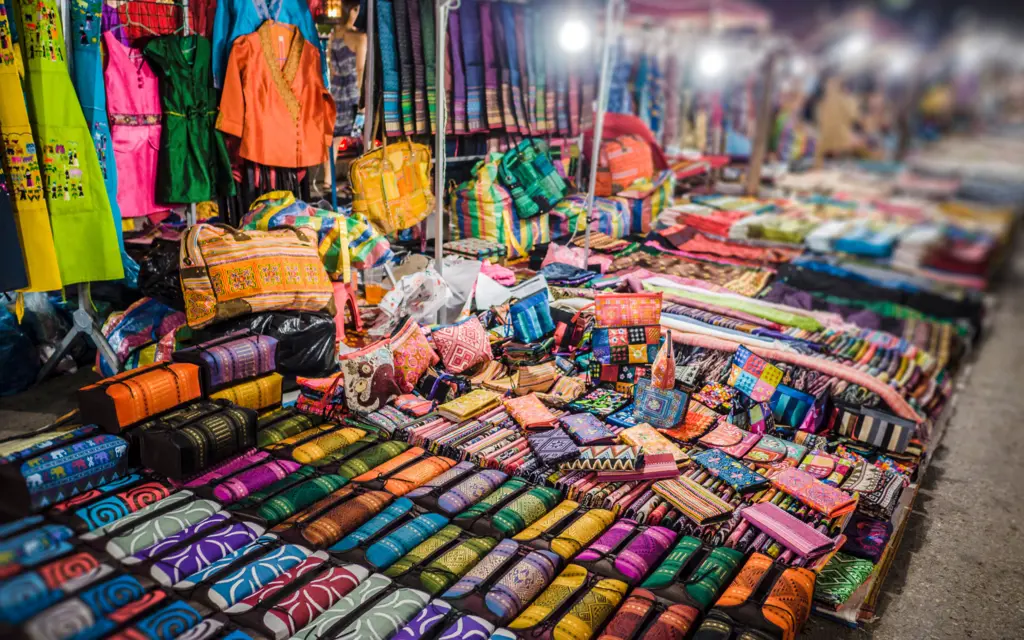
The Luang Prabang Night Market is one of the best places to shop, with stalls selling handwoven textiles, silverwork, bamboo crafts, and clothing along the town’s main street each evening. Vientiane and other towns also have lively markets, such as Talat Sao (Morning Market) in Vientiane, offering local handicrafts, silk, and souvenirs.
Bargaining is common and generally expected at markets and with street vendors, though prices in shops and malls are usually fixed. Popular buys include Lao silk and cotton weavings, silver jewellery, wood and bamboo handicrafts, and locally grown coffee.
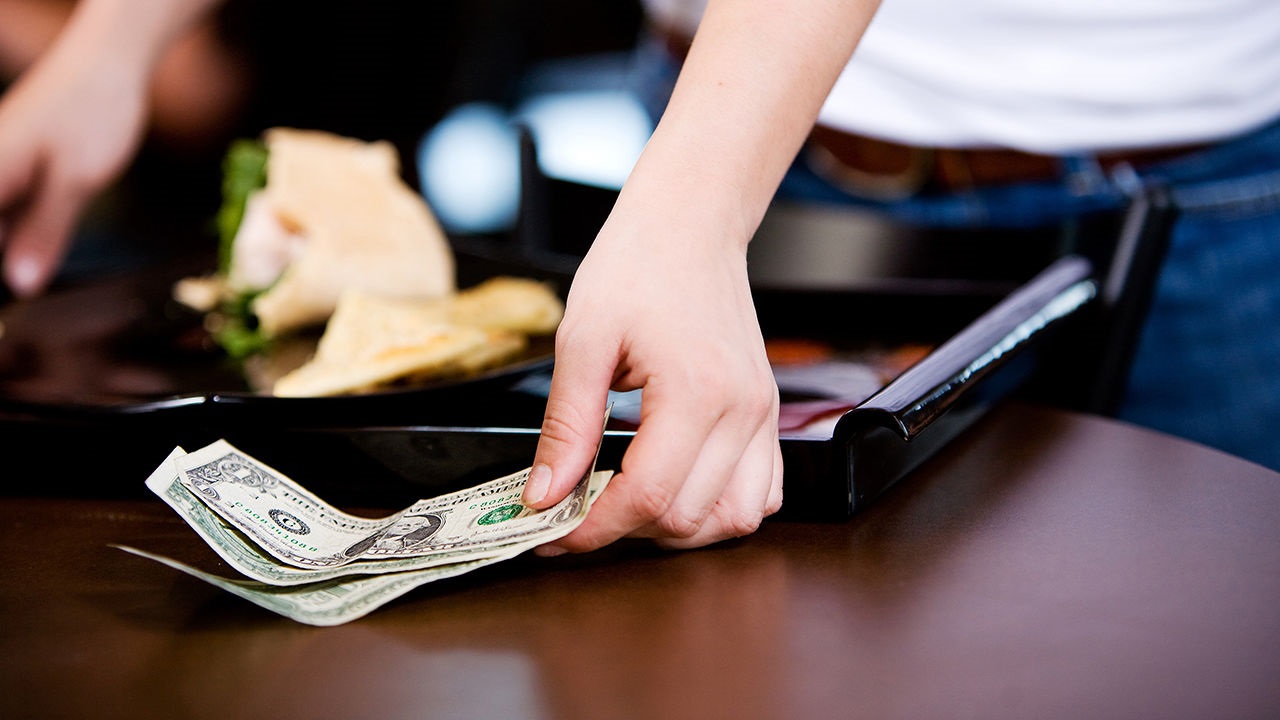
Tipping is not a deeply rooted tradition in Laos, but it is increasingly common and appreciated, especially in the tourism industry. Some upscale restaurants add a small service charge to the bill, but this doesn’t always reach the staff directly.
For tour guides and drivers, a small tip at the end of a trip is a nice way to show appreciation for good service, and is generally expected on organised tours. In restaurants and cafes, rounding up the bill or leaving small change is a thoughtful gesture, though never obligatory.