VIENTIANE

A Tranquil Capital of Culture and Charm

VIENTIANE Travel Guide

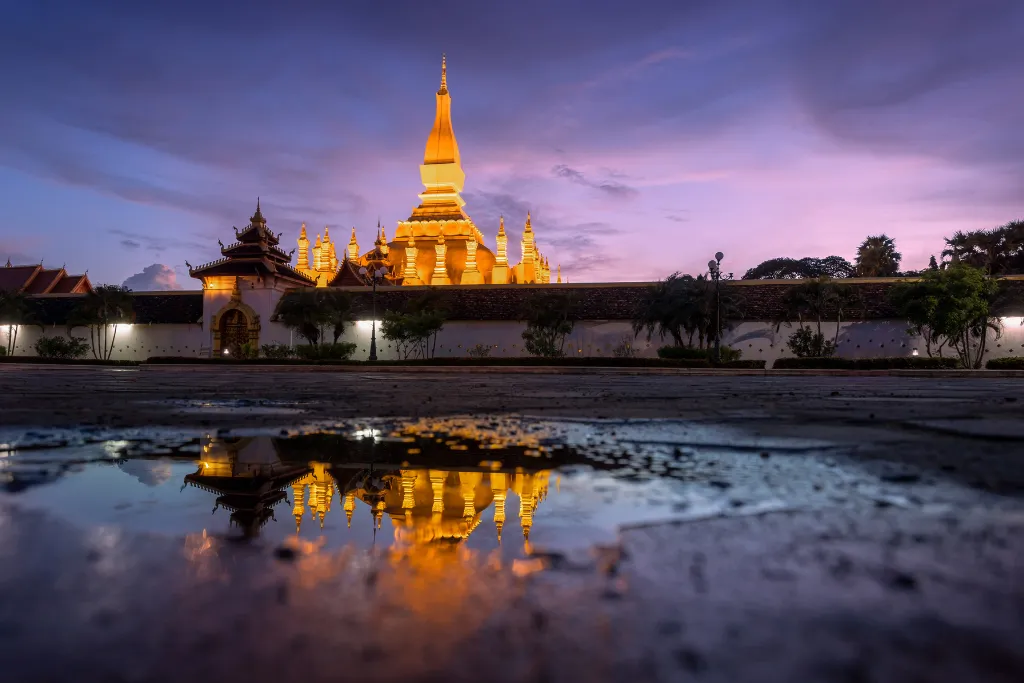
Vientiane, the serene capital of Laos, blends French-colonial elegance with timeless Buddhist heritage, offering a slower, more soulful city experience. Nestled on the banks of the Mekong River, this laid-back capital invites discerning travelers to explore gilded temples like Pha That Luang, sip coffee in tree-shaded cafés, and stroll through charming riverside promenades. A stay in Vientiane opens the door to refined boutique hotels, wellness retreats, and curated culinary journeys that celebrate Lao flavors with modern finesse. Far from the chaos of other Southeast Asian capitals, Vientiane is where luxury meets tranquility in one of Asia’s most underrated gems.

Vang Vieng is where Laos reveals its wild beauty in luxurious stillness—soaring limestone peaks, glassy rivers, and unforgettable moments beneath golden skies.

Vientiane’s roots trace back to the 11th century when it began as a Khmer settlement before rising to prominence under the Lao kingdom of Lan Xang in the 14th century. It became the capital in the 16th century under King Setthathirath, who moved the royal seat from Luang Prabang and built the revered Pha That Luang stupa. The city later faced invasions and occupations, including devastating attacks by Siamese forces in the 19th century that left it largely abandoned. During the French colonial period in the late 19th and early 20th centuries, Vientiane was revived as an administrative center, leaving behind a legacy of tree-lined boulevards and colonial architecture. Today, the city reflects a rich blend of Lao heritage, Buddhist tradition, and European influence—making it a unique capital in Southeast Asia.

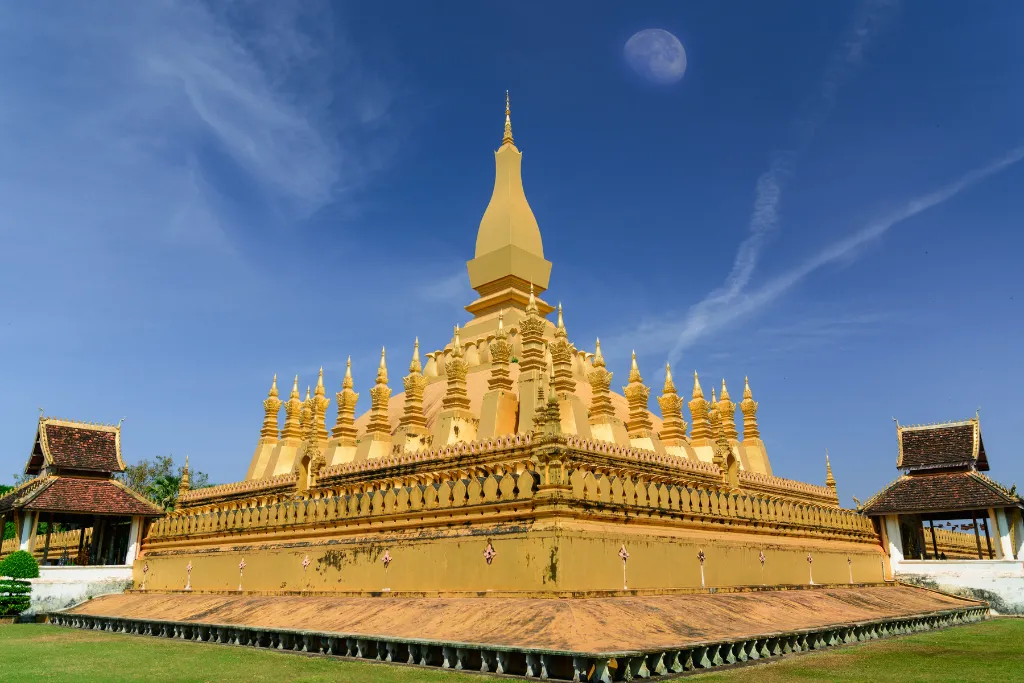
Pha That Luang

Laos’ most sacred monument, this golden stupa is a national symbol and a striking example of traditional Lao architecture and Buddhist devotion.

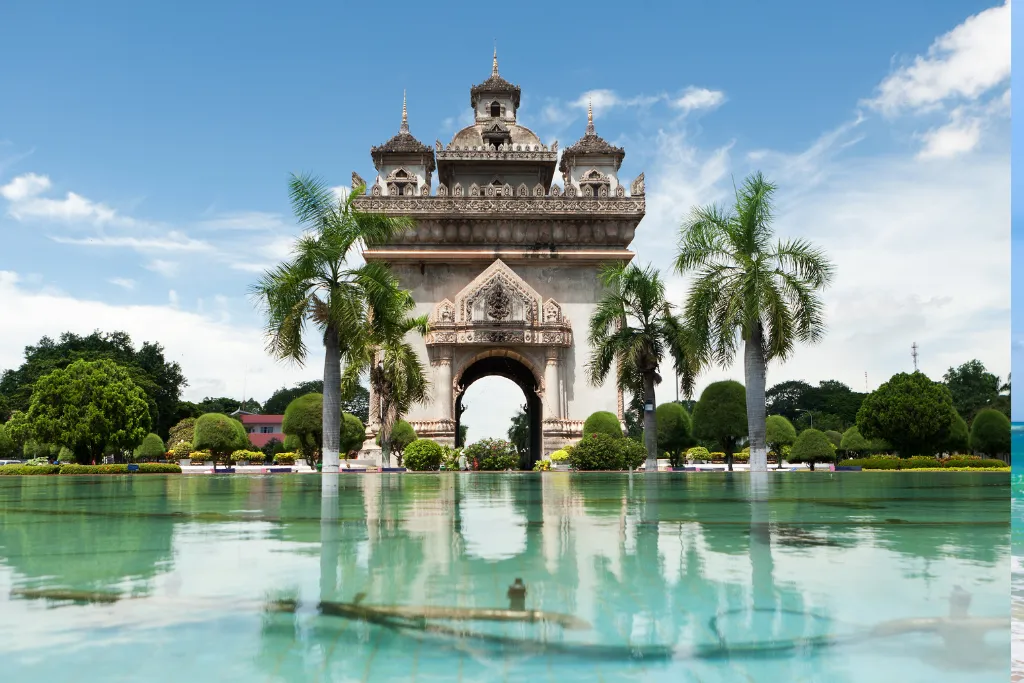
Patuxai Victory Monument

Often called the “Arc de Triomphe of Laos,” this grand war monument offers panoramic views of the city from its rooftop.

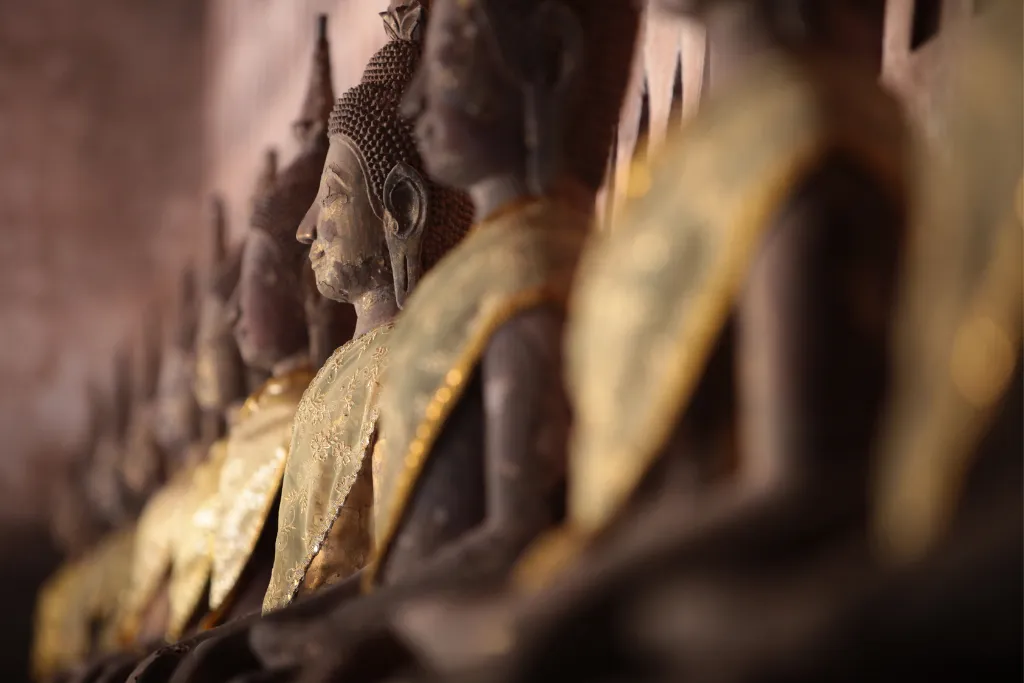
Wat Sisaket

The oldest surviving temple in Vientiane, famous for its cloister wall housing thousands of Buddha images and serene courtyard.

COPE Visitor Centre

A powerful and informative museum showcasing the impact of unexploded ordnance (UXO) and the ongoing rehabilitation efforts.

Mekong Riverside Promenade

A lovely area for sunset walks, with local street food, night markets, and views across the river to Thailand.

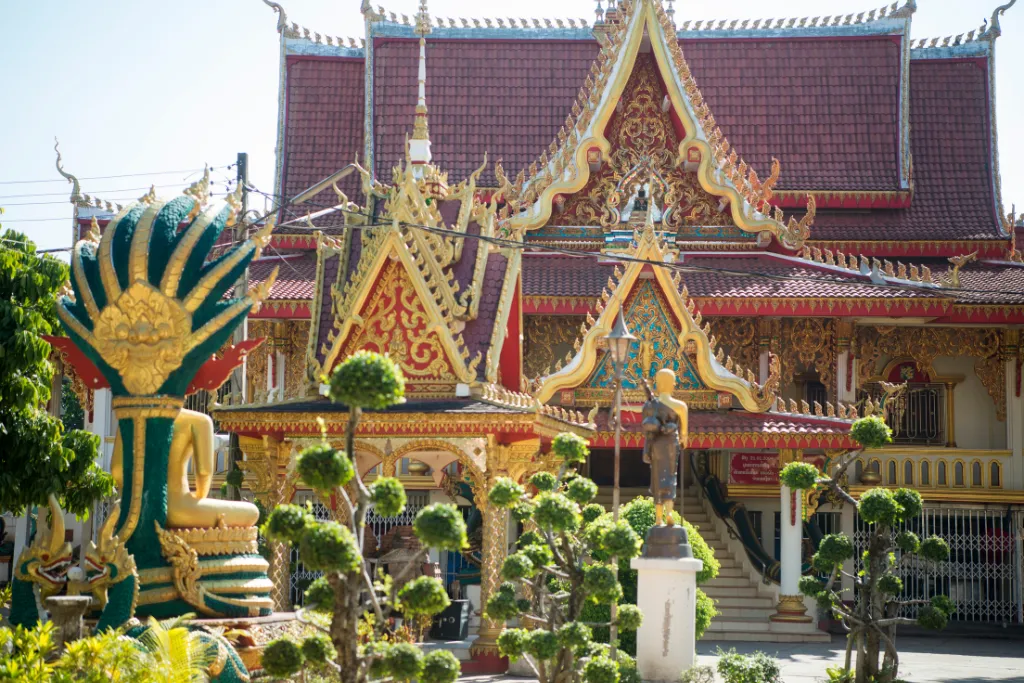
Wat Ho Phra Keo

Once home to the Emerald Buddha, this elegant temple now serves as a museum for religious art and artifacts.

Talat Sao Morning Market

A vibrant local market where travelers can shop for textiles, jewelry, handicrafts, and traditional Lao goods.

French Colonial Architecture

Discover tree-lined avenues, colonial-era villas, and charming cafés that reflect the city’s French Indochina heritage.

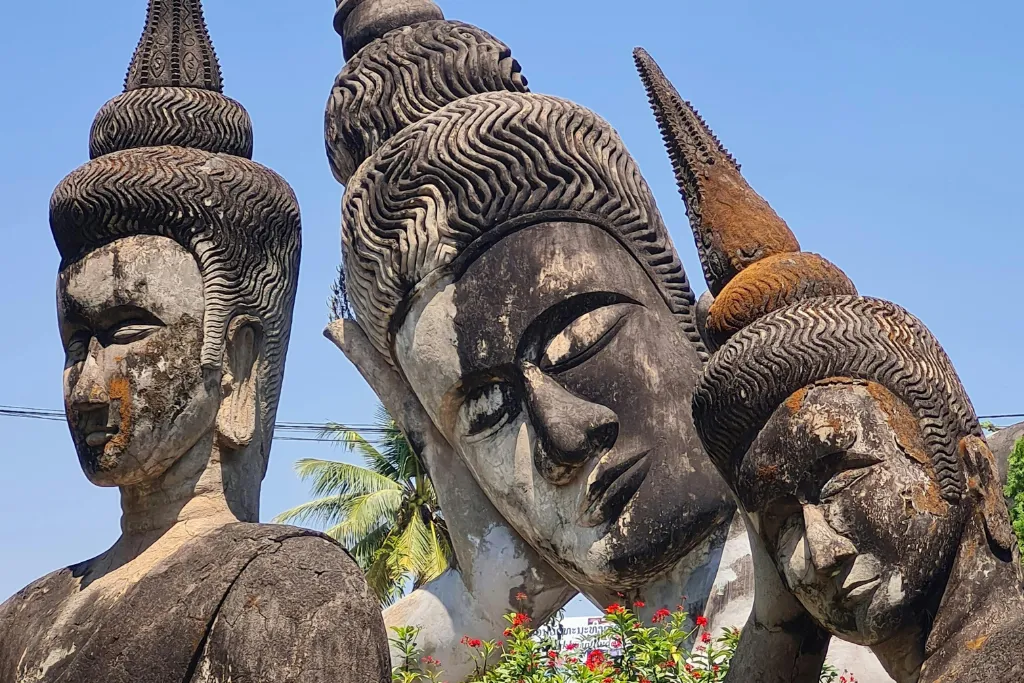
Buddha Park (Xieng Khuan)

Located just outside the city, this surreal sculpture park features over 200 Buddhist and Hindu statues in a riverside setting.

Lao National Museum

Offers insights into Laos’ rich history, from ancient times through the French colonial era to the present day.

Vientiane, the capital of Laos, is easily accessible by air, land, and rail. Wattay International Airport welcomes international flights from major hubs such as Bangkok, Hanoi, Kuala Lumpur, and Seoul, making it a convenient entry point to Laos. Overland travelers can arrive via the Friendship Bridge from Thailand, just across the border from Nong Khai. The newly launched Laos-China high-speed rail also connects Vientiane to key destinations like Luang Prabang and Vang Vieng, offering fast and scenic journeys.

Getting around Vientiane is simple and relaxed. Tuk-tuks are the most common and affordable way to travel short distances within the city. Bicycles and motorbikes are available for rent and are ideal for exploring the flat, compact city at your own pace. For those preferring a more comfortable option, taxis and private cars with drivers can be arranged through hotels or travel agencies. Walking is also enjoyable, especially in the central area along the Mekong River and near the city’s cultural landmarks.

Interested in festivals?  read more about festivals in Vientiane and around Laos.
Luang Prabang

Vientiane

Pakse

Laos / Essential Information

  • Visas and border crossings
  • Country facts and figures
  • Language and culture
  • Security
  • Money
  • Mobiles and the Internet
  • Travel to and around Laos
  • And more