BAGAN Tours & Information
Dawei remains one of Myanmar’s best-kept secrets, offering a refreshing escape from the well-trodden tourist trails. As the capital of the Tanintharyi Region, this charming coastal town is defined by its elegant colonial-era architecture, bustling local markets, and a pace of life that feels blissfully frozen in time. Whether you are wandering through the quiet, tree-lined streets or sampling fresh seafood at a riverside eatery, Dawei provides an authentic glimpse into the soul of Southern Myanmar.
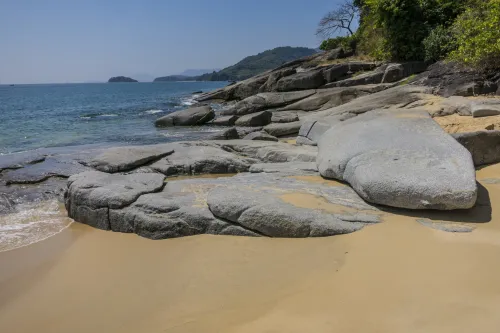
Beyond the town center lies a coastline of breathtaking beauty, featuring some of the most pristine beaches in Southeast Asia. From the golden sweeping sands of Maungmagan to the secluded, turquoise hidden gems like Grandfather Beach, the region is a paradise for those seeking solitude and nature. For the more adventurous traveler, Dawei serves as the perfect jumping-off point to explore the remote islands of the Myeik Archipelago, where crystal-clear waters and vibrant marine life await.
“Dawei is a rare pocket of Southeast Asia where the maps still feel like invitations rather than itineraries—a place where the rhythmic pulse of the Andaman Sea meets a landscape untouched by the rush of the modern world.”
Gemini said
Dawei, historically known as Tavoy, has long served as a vital maritime gateway where the Tenasserim Range meets the Andaman Sea. Its history is a complex tapestry of shifting empires, originating with the ancient Pyu civilization and the fortified city of Thagara. For centuries, the region was a strategic prize in a tug-of-war between the Burmese Pagan Empire and the Siamese Kingdoms of Sukhothai and Ayutthaya, frequently changing hands until King Alaungpaya definitively annexed it into the Konbaung Dynasty in 1760.
In 1826, following the First Anglo-Burmese War, Dawei became one of the first areas in Myanmar to fall under British colonial rule. This period transformed the town into a hub for tin and tungsten mining, leaving behind the elegant, weathered colonial architecture that still lines its streets today. The name itself is believed to derive from the Mon word “Hawai,” meaning “to sit cross-legged,” a reference to the Buddha’s meditative posture and a testament to the deep-seated spiritual heritage that has survived through every era of the city’s transformation.
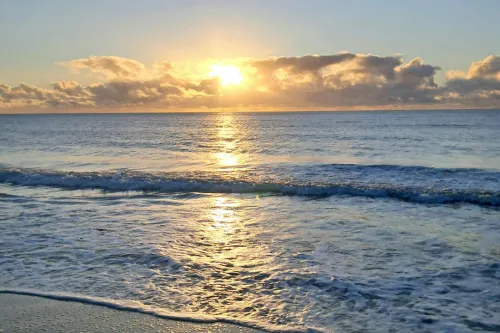
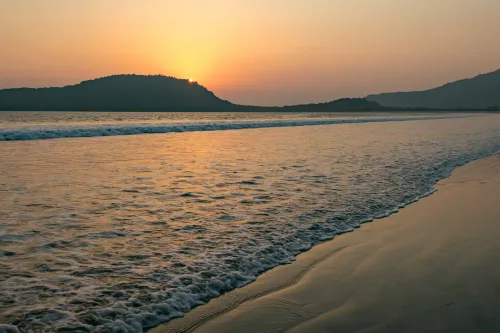
Maungmagan Beach:Visit the second oldest beach resort in Myanmar, known for its long sandy shoreline, relaxed atmosphere, and excellent seafood dining at sunset.
-
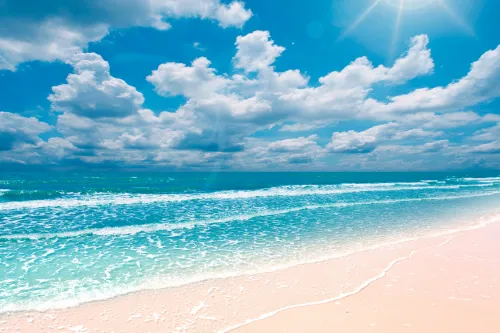
Grandfather Beach (Po Po Kyauk): Experience true serenity at this remote, crescent-shaped bay featuring powdery white sand and crystal-clear turquoise waters.
-
Myaw Yit Pagoda: Explore this picturesque religious site situated on a small rocky island, connected to the mainland by a scenic wooden bridge—the perfect spot for photography.
-
Lawka Tharaphu Pagoda: Marvel at the 74-meter-long reclining Buddha, one of the most magnificent and enduring spiritual landmarks in the Tanintharyi Region.
-
Colonial Heritage Walk: Wander through the town center to admire well-preserved British colonial-era architecture, including elegant wooden bungalows and brick mansions.
-
Dawei Central Market (Si Pin Tharyar Zei): Immerse yourself in local life by browsing stalls filled with fresh tropical fruits, traditional textiles, and the famous “Dawei Longyi.”
-
Shwe Taung Zar Pagoda: Visit the city’s principal spiritual anchor, a shimmering golden complex that serves as a focal point for daily rituals and local festivals.
-
Hidden Waterfalls: Discover the lush jungle interior with a trip to Angel Waterfall or Kalonehtar, where you can swim in natural pools surrounded by verdant tropical forest.
-
Myeik Archipelago Gateway: Use Dawei as your jumping-off point for boat expeditions to the untouched islands of the south for world-class snorkeling and diving.
Reaching Dawei is an adventure in itself, with the most convenient option being a short 75-minute flight from Yangon, landing at the centrally located Dawei Airport. For those who prefer a more scenic journey, daily air-conditioned express buses operate from Yangon’s Aung Mingalar Bus Terminal, taking approximately 12 to 14 hours through the ruggedly beautiful terrain of southern Myanmar.
While a legendary train service exists, it is best reserved for slow-travel enthusiasts due to its lengthy schedule and bumpy tracks. For a truly unique arrival, travelers coming from Southern Thailand can enter via the Htee Khee border crossing, which connects Kanchanaburi to Dawei via a picturesque mountain road—though it is always wise to check current border regulations before setting off.
Getting around Dawei is straightforward and caters well to both independent explorers and those seeking comfort. For navigating the town center and visiting nearby Maungmagan Beach, three-wheeled tuk-tuks and motorbike taxis are the most popular and affordable options; you can hail them on the street.
For those eager to reach the secluded beaches of the Dawei Peninsula, renting a motorbike (approximately $6–$10 per day) offers the ultimate freedom, though the rugged dirt roads require confident driving skills. Alternatively, for a stress-free experience, you can arrange a private car with a driver through Discovery DMC or your hotel, which is the most comfortable way to navigate the scenic but bumpy coastal terrain.
Interested in festivals? read more about festivals in Dawei and around Myanmar.

CHECK OUT OUR
DAWEI HOTELS
DON’T FORGET TO CHECK OUT
DAWEI TOURS & EXPERIENCES
OTHER REGIONS
Myanmar / Essential Information
- Visas and border crossings
- Country facts and figures
- Language and culture
- Security
- Money
- Mobiles and the Internet
- Travel to and around Myanmar
- And more
