How Can We Help?
Essential travel information and frequently asked questions about the Philippines. Visa and immigration requirements and charges may vary depending on travellers nationality, please check the latest information on the Philippine Bureau of Immigration’s official website.
We look forward to your travels with us to the Philippines.
Philippines Overview
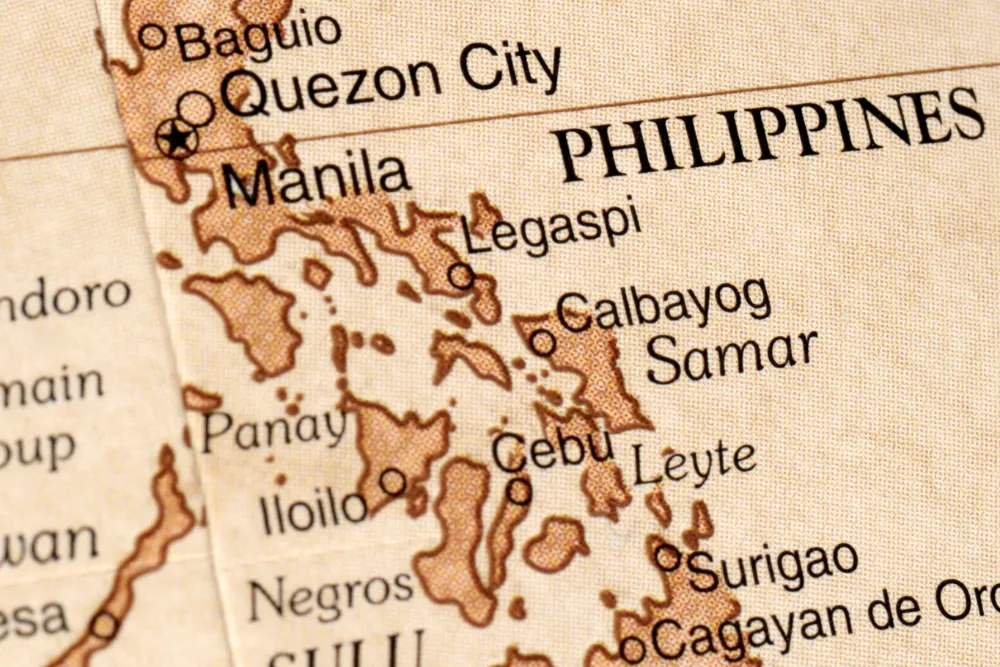
| Country Facts & Figures | |
|---|---|
| Country Name: | Philippines (Republic of the Philippines) |
| Capital: | Manila |
| Government: | Presidential republic |
| President: | Ferdinand “Bongbong” Marcos Jr. |
| Population: | Approximately 117 million (2026 estimate) |
| Country Code: | +63 |
| Currency: | Philippine Peso (PHP, ₱) (rates fluctuate) |
The Philippines has a tropical climate with a dry season and a wet season. The dry season runs from around November to May, with the cooler, most popular months for travel being December to February.
March to May tends to be hot and humid ahead of the rains. The wet season runs from June to October and coincides with typhoon season, when heavy rain and occasional typhoons can affect travel, particularly in Luzon and the Visayas. Mindanao, in the south, generally sees less typhoon activity and can be a good year-round option.
The Philippines follows Philippine Time (PHT), which is GMT/UTC+8 year-round, with no daylight saving changes.
Travelling in the Philippines
The main international gateways to the Philippines are Ninoy Aquino International Airport (MNL) in Manila, Mactan-Cebu International Airport (CEB) near Cebu City, and Clark International Airport (CRK) north of Manila. Direct flights connect the Philippines with major hubs across Asia, the Middle East, Australia, and North America, with many other international routes connecting via Singapore, Hong Kong, or other Southeast Asian cities.
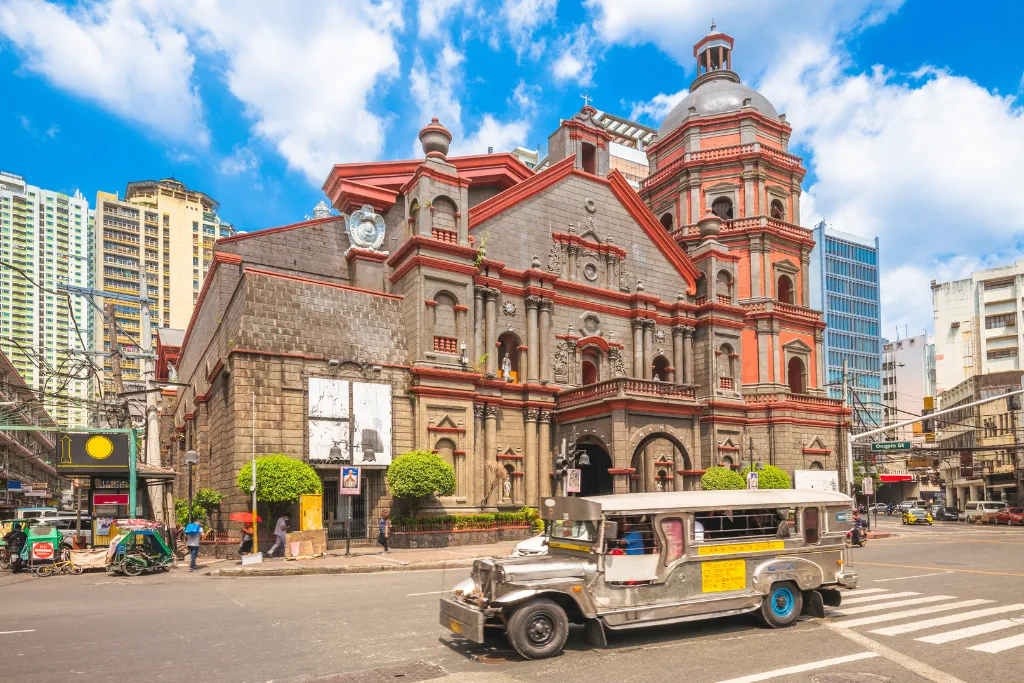
Given the archipelago’s geography, domestic flights are the most practical way to cover long distances between islands, with carriers such as Philippine Airlines, Cebu Pacific, and AirAsia Philippines operating extensive networks. Inter-island ferries and fast craft link many coastal destinations, while within cities and towns, taxis, ride-hailing apps such as Grab, jeepneys, and tricycles are common ways to get around. Private transfers and chartered vans are also widely used for tours between destinations.
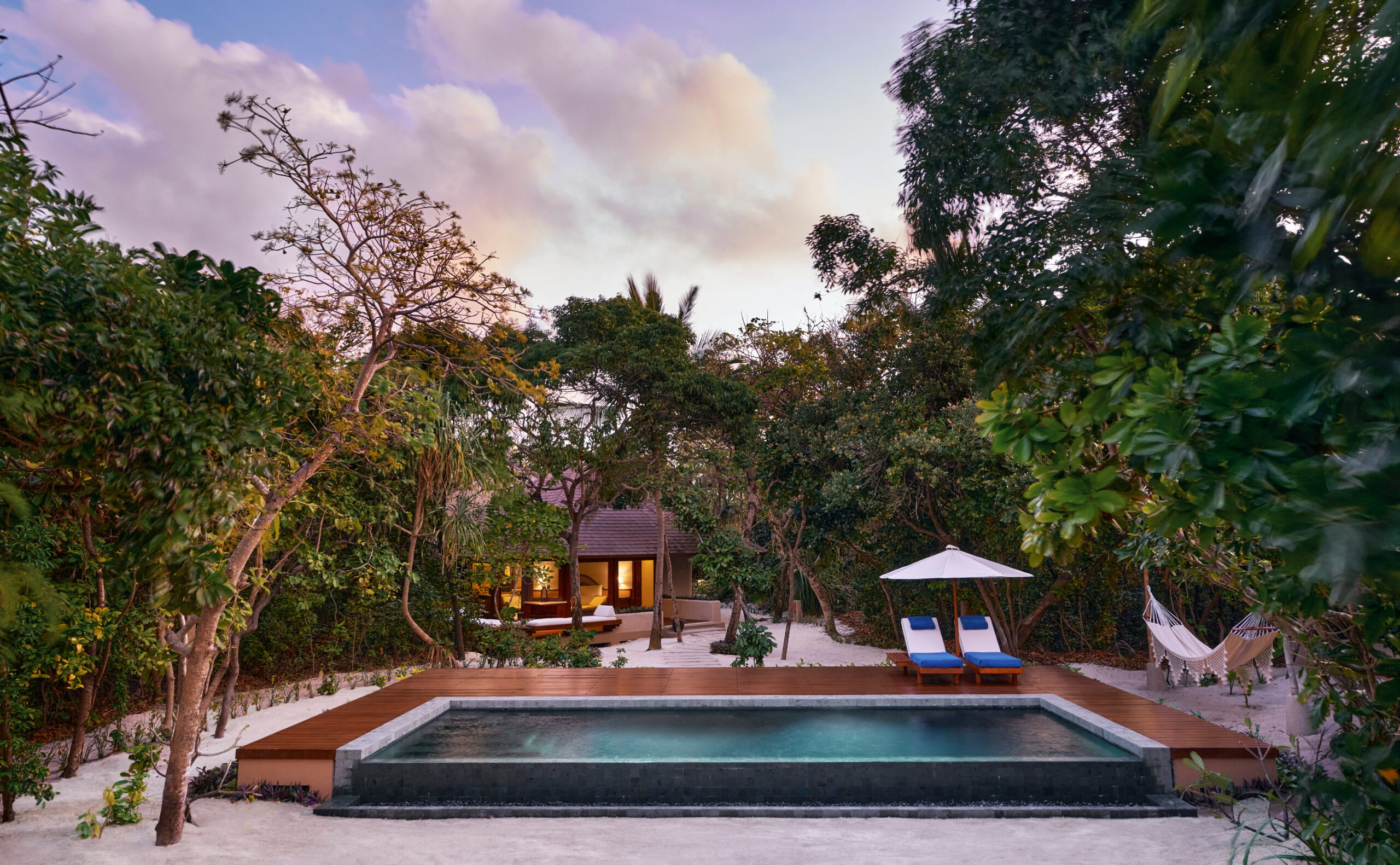
The Philippines offers a wide range of accommodation, from internationally branded five-star resorts and boutique hotels in destinations such as Boracay, Palawan, and Cebu, to comfortable mid-range hotels and simple guesthouses. Standards are generally high in major tourist destinations, while accommodation on smaller islands and in rural areas tends to be more basic, so we recommend booking well-reviewed properties in advance, particularly during the high season from December to February.
Language & Culture
Filipino (based on Tagalog) and English are the official languages of the Philippines. English is widely spoken and understood, especially in tourist areas, making the country easy to navigate for English-speaking travellers. In addition, more than 180 regional languages and dialects are spoken across the country, including Cebuano, Ilocano, and Hiligaynon.

Filipinos are known for their warmth and hospitality, and a friendly, respectful approach is always well received. It’s polite to greet people and to dress modestly and remove hats/sunglasses when visiting churches or other religious sites. Public displays of anger or raised voices are considered impolite, as maintaining smooth interpersonal relations is culturally important.
It is best to ask permission before photographing individuals, particularly in indigenous or rural communities. Tipping and small gestures of generosity are appreciated but not obligatory, and removing shoes before entering someone’s home is a common courtesy.
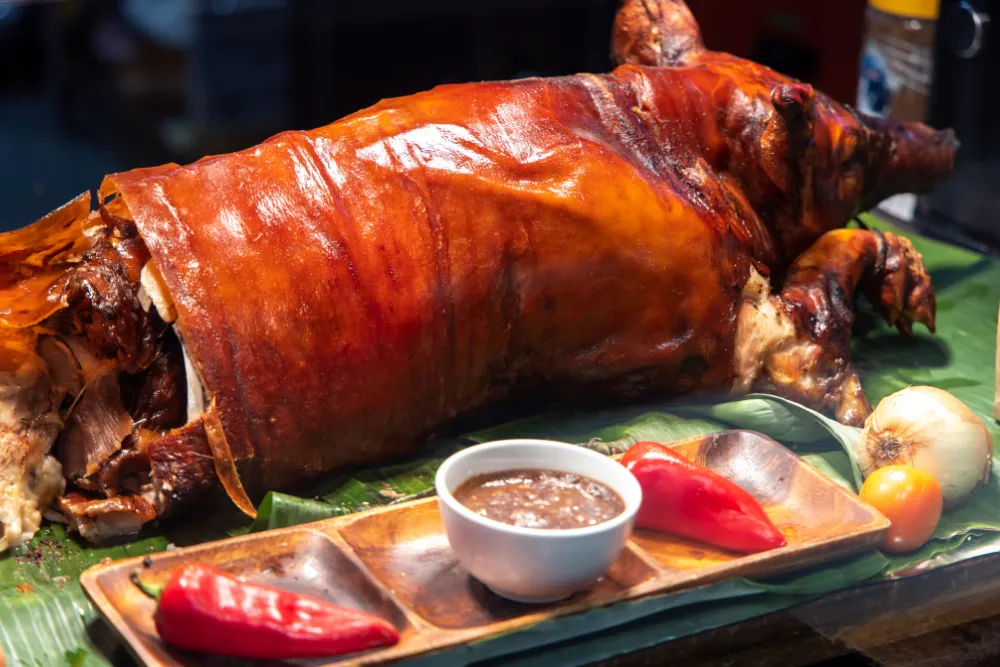
Filipino cuisine reflects a blend of Malay, Spanish, Chinese, and American influences. Rice is a staple at almost every meal, accompanied by dishes such as adobo (meat braised in vinegar and soy sauce), sinigang (a sour tamarind-based soup), lechon (whole roasted pig), and kare-kare (peanut stew).
Fresh seafood is abundant given the country’s coastal geography, and popular desserts include halo-halo, a shaved ice dessert with mixed toppings. In towns and tourist areas it is best to drink bottled or filtered water rather than tap water, and to choose busy food stalls for freshness.
Visa & Border Crossings
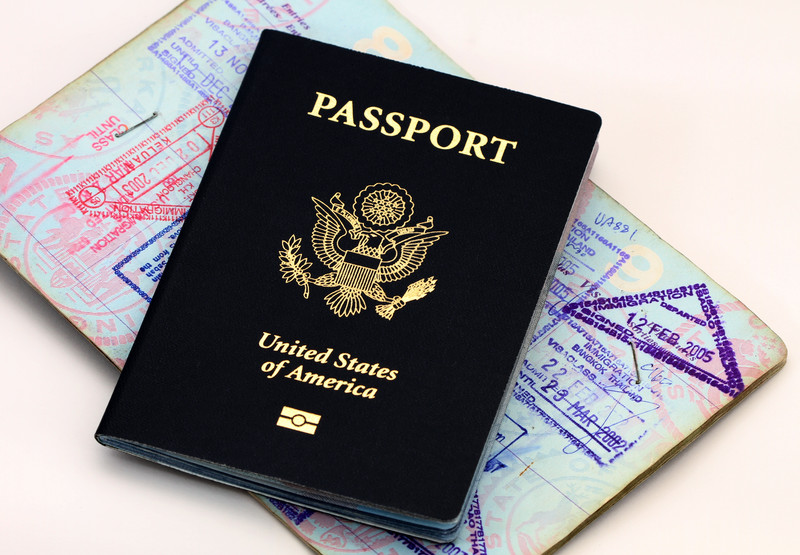
Passport holders from around 157 countries, including the US, UK, EU, Australia, Canada, and New Zealand, can enter the Philippines visa-free for stays of up to 30 days for tourism purposes; citizens of Brazil and Israel may stay up to 59 days visa-free.
All visitors must hold a passport valid for at least six months beyond their intended stay, along with proof of onward or return travel. Travellers whose nationality is not covered by the visa-free arrangement will need to apply for a visa in advance. Requirements and eligible nationalities can change, so always check the latest details on the Philippine Bureau of Immigration’s official website before you travel.
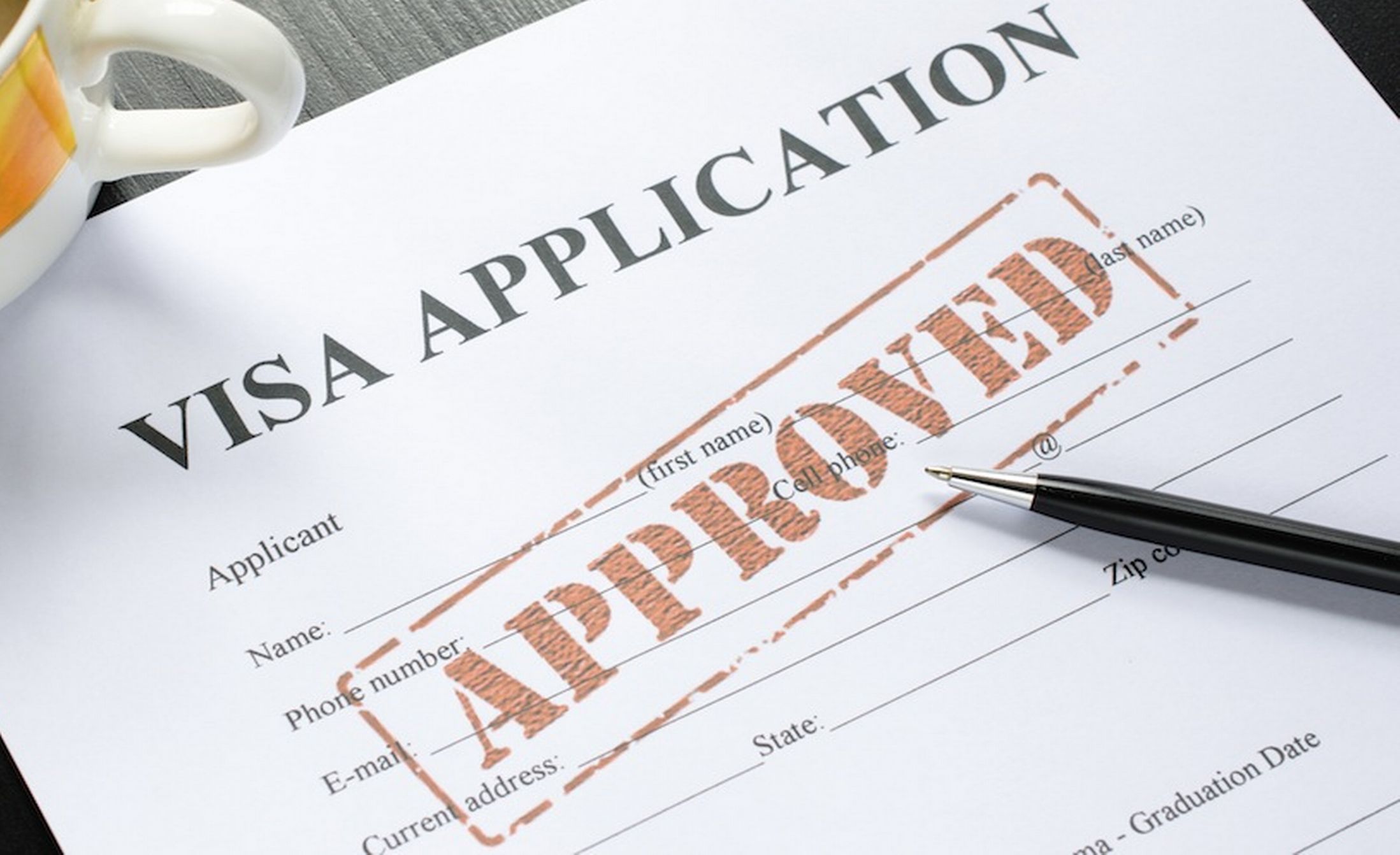
Travellers who require a visa can apply in person at the nearest Philippine Embassy or Consulate in their country of residence, or in some cases through the Philippines’ eVisa system for eligible nationalities. Requirements typically include a completed application form, a passport valid for at least six months beyond the intended stay, a passport-sized photo, proof of onward/return travel, and supporting documents such as a hotel booking or invitation letter.
Processing times and specific requirements vary by embassy, so it’s advisable to apply well ahead of travel and confirm current requirements directly with the relevant embassy, consulate, or the Bureau of Immigration.
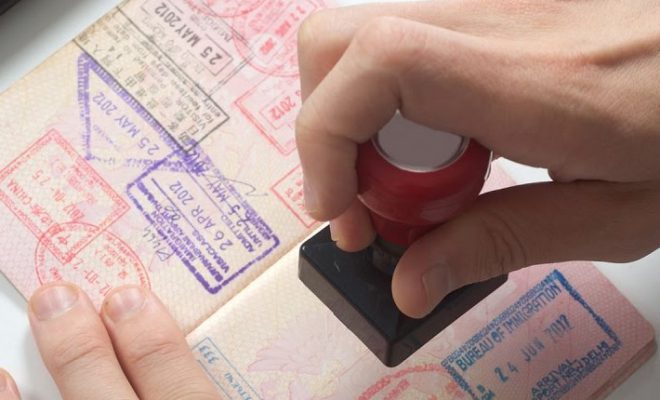
Visa-free visitors wishing to stay longer than their initial permitted stay can apply for an extension at any Bureau of Immigration office in the Philippines, generally allowing further stays in increments of up to two months per extension, up to a maximum of around 36 months in total. It’s best to apply for an extension a few days before your current authorised stay expires, as processing can take some time.
Overstaying is subject to fines (typically around PHP 500 per month or part-month) plus additional processing and legal research fees, and in some cases can also involve clearance requirements before departure. Because penalties and procedures can change, we recommend confirming current rules directly with the Bureau of Immigration.
Mobile & Internet
The Philippines’ three main mobile network operators are Globe Telecom, Smart Communications (PLDT), and DITO Telecommunity. Coverage is generally good across cities, towns, and popular tourist destinations, though it can become patchy in remote islands and mountainous areas.
Prepaid SIM cards are inexpensive and widely available at airports, malls, and convenience stores, and are a convenient way to stay connected with data for maps, translation, and messaging apps throughout your trip. Registration of prepaid SIMs with your passport is required under the SIM Registration Act.
4G/LTE coverage is widely available in urban areas and major tourist destinations, with 5G expanding in cities such as Manila and Cebu. Wi-Fi is commonly offered in hotels, resorts, cafes, and restaurants, though speeds and reliability can vary and may slow down considerably in more remote or rural areas.
For more consistent access on the move, a local prepaid SIM card with a data plan is an affordable and convenient option, available from telco shops, the airport, and many convenience stores. Coverage and connection quality generally decline the further you travel from major towns and cities.
Money
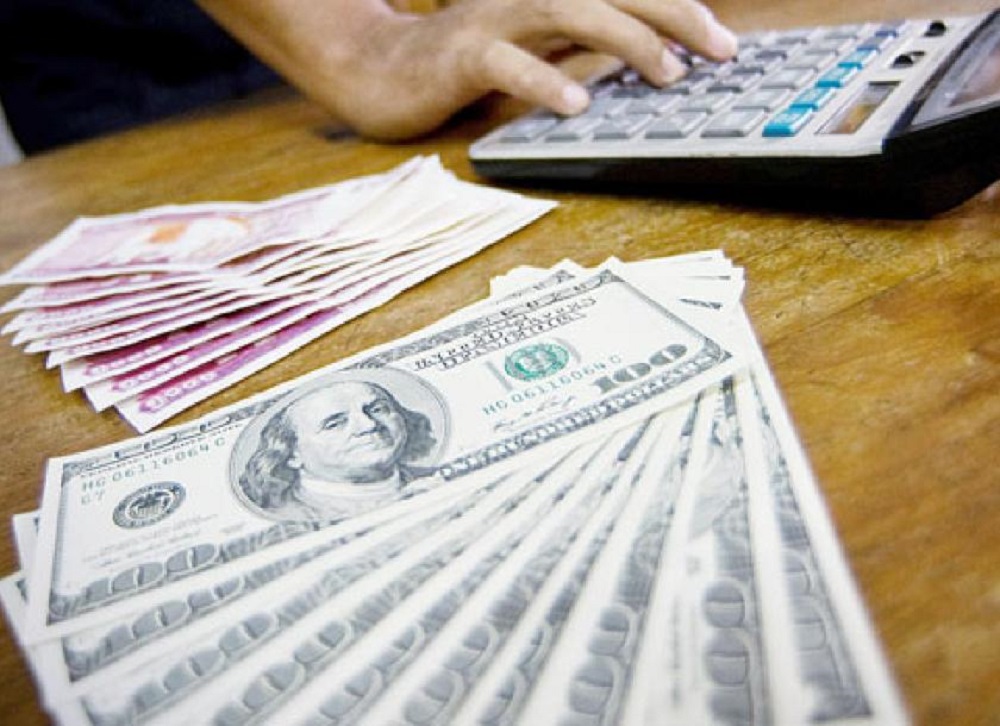
The local currency is the Philippine Peso (PHP, ₱). Major foreign currencies, particularly US dollars, can be exchanged at banks, airports, and licensed money changers in cities and tourist areas; it’s best to use authorised money changers and avoid street vendors offering informal exchanges.
Currency exchange facilities in smaller or remote destinations can be limited, so it’s a good idea to carry sufficient pesos in cash before travelling to more rural islands.
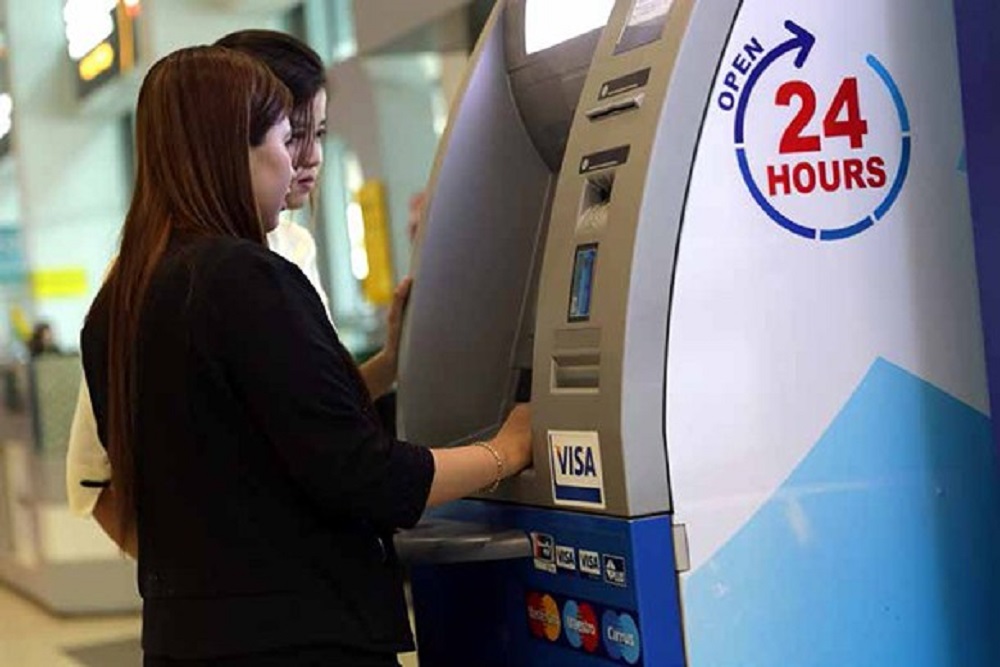
ATMs are widely available in cities, towns, and most tourist areas, and generally accept major international cards such as Visa and Mastercard. Withdrawal limits and fees vary by bank, so it’s worth checking with your home bank about foreign transaction charges before you travel.
ATMs become scarce in rural and remote islands, so it’s wise to withdraw cash while in larger towns before heading off the beaten path. Credit cards are accepted at many hotels and upscale restaurants, but cash remains essential for markets, local eateries, and smaller businesses.
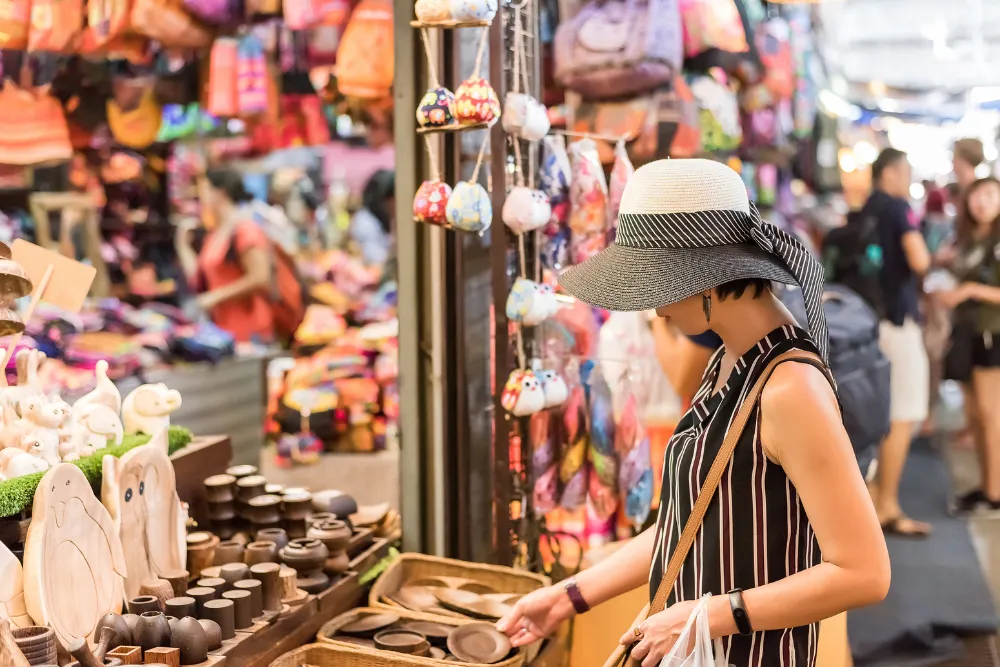
The Philippines offers everything from large modern malls in Manila and Cebu to local markets and craft stalls across the islands. Prices in malls and department stores are fixed, while bargaining is common and generally expected in public markets and with street vendors.
Popular souvenirs include local handicrafts, woodcarvings, woven textiles, pearls (especially from Palawan), and local delicacies to bring home.
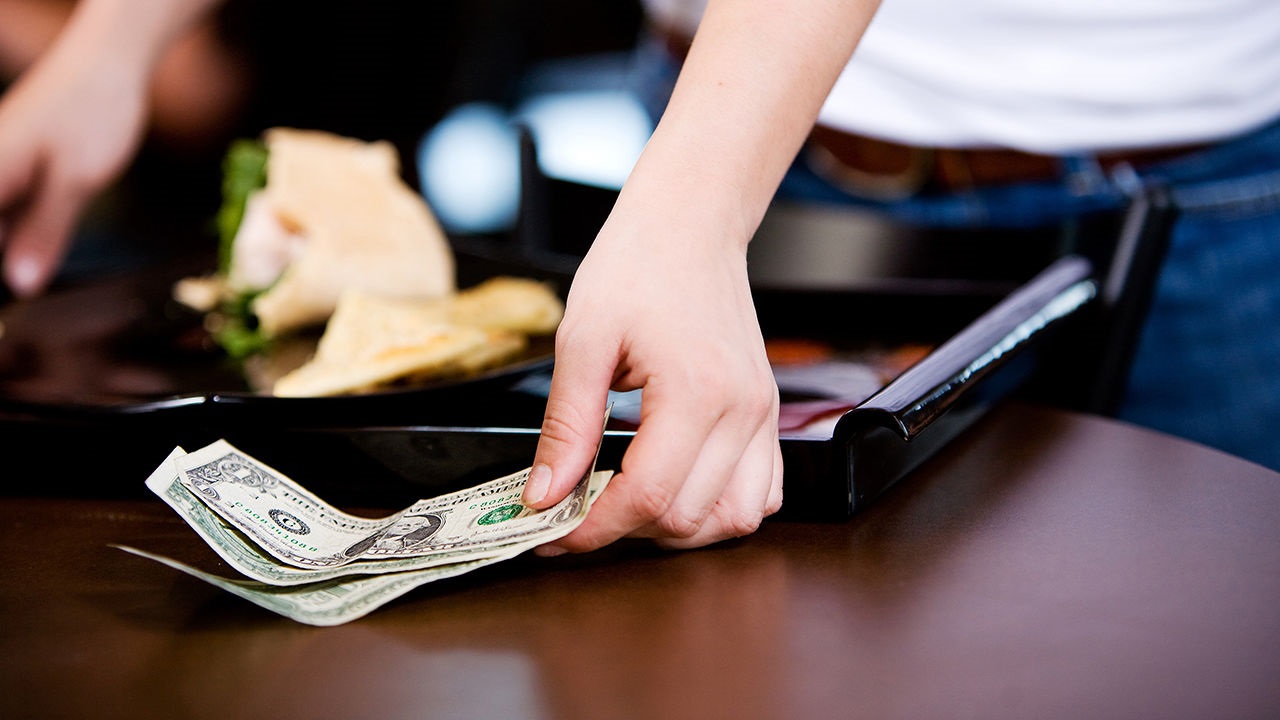
Tipping is not obligatory in the Philippines but is appreciated for good service. Many restaurants add a 10% service charge to the bill, in which case an additional tip is optional; where no service charge is included, rounding up the bill or leaving around 10% is customary.
For tour guides and drivers, a small tip at the end of a trip is a nice way to show appreciation for good service, and is generally expected on organised tours. It’s also common to tip hotel porters and housekeeping a modest amount, though this is never obligatory.