How Can We Help?
Essential travel information and frequently asked questions about Singapore. Visa and immigration requirements and charges may vary depending on travellers nationality, please check the latest information on Singapore’s official ICA website.
We look forward to your travels with us to Singapore.
Singapore Overview
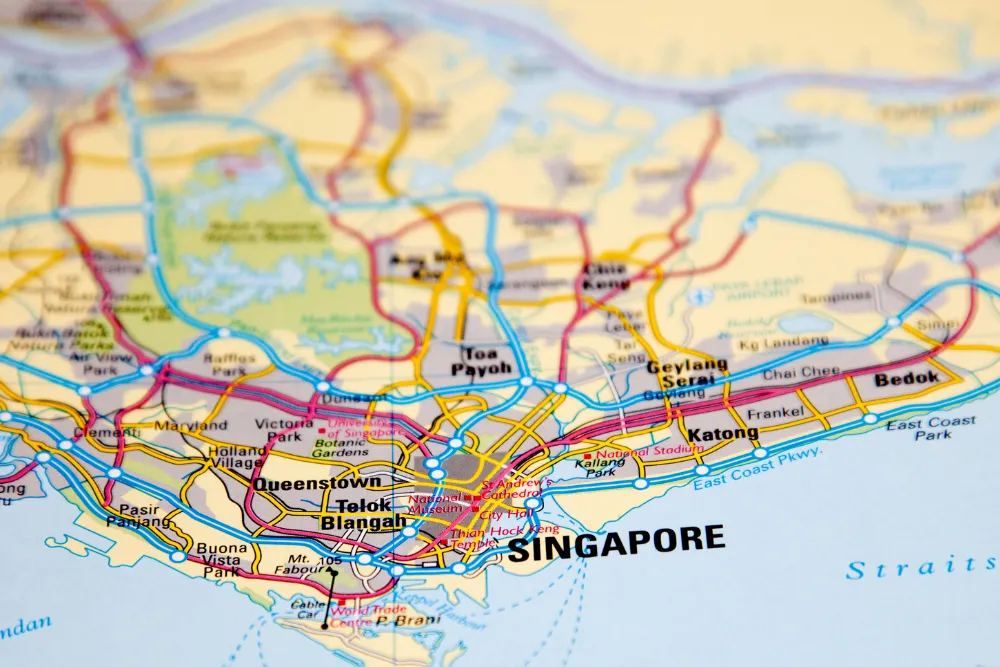
| Country Facts & Figures | |
|---|---|
| Country Name: | Singapore (Republic of Singapore) |
| President: | Tharman Shanmugaratnam |
| Prime Minister: | Lawrence Wong |
| Population: | Approximately 6.0 million (2026 estimate) |
| Capital: | Singapore (city-state) |
| Area: | 734.3 km2 (283.5 sq mi) |
| Highest point: | Bukit Timah Hill, 163.6 m (537 ft) |
| Languages: | English, Malay, Mandarin, and Tamil (all official); Malay is the national language |
| Religions: | Buddhist 31%, Christian 19%, no religion 20%, Muslim 16%, Taoist 9%, Hindu 5% |
| Ethnic groups: | Chinese 74%, Malay 13%, Indian 9%, other 3% |
| Time: | Singapore Standard Time, UTC+8 |
| Country code: | +65 |
| Currency: | 1 USD = approx. 1.29 Singapore Dollars (SGD) (rates fluctuate) |
Singapore has a tropical climate that’s warm and humid year-round, with temperatures typically between 24-32°C. There’s no strict wet or dry season, though the Northeast Monsoon (December to early March) brings the heaviest rain, and short, heavy afternoon showers can happen at any time of year.
February to April tends to see comparatively lower rainfall, making it a popular time to visit, though Singapore’s many indoor and covered attractions make it an enjoyable destination in any season.
Singapore Standard Time is GMT/UTC+8 year-round, with no daylight saving changes.
Travelling in Singapore
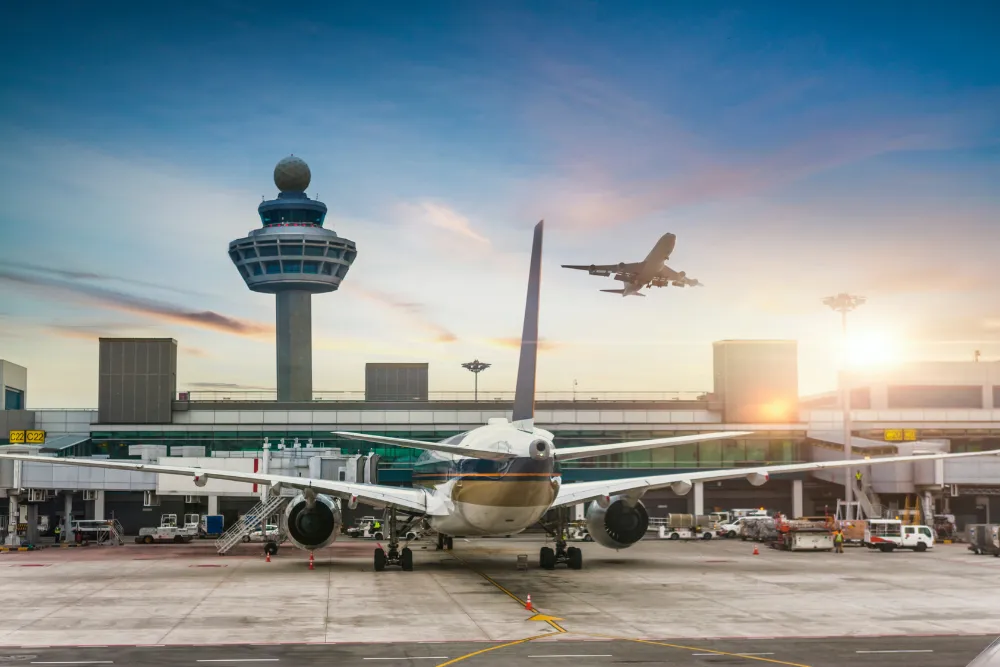
As a compact city-state, Singapore has no domestic flights. Changi Airport is the country’s only commercial airport and one of the world’s best-connected hubs, served by Singapore Airlines, Scoot, and numerous international carriers flying throughout the region and beyond, making Singapore an excellent base for exploring the rest of Southeast Asia.
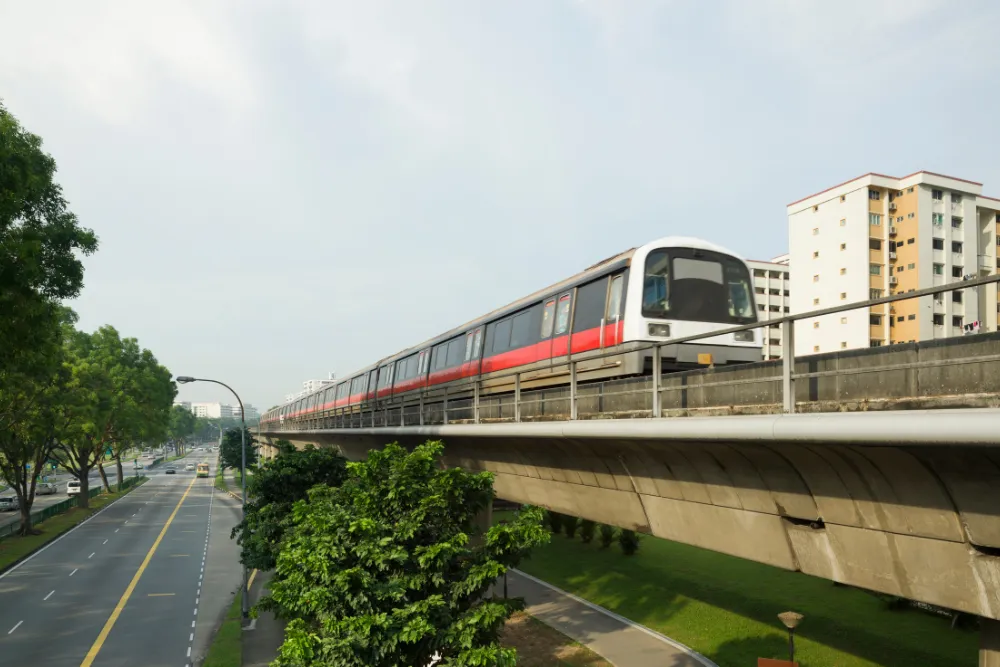
Singapore has one of the world’s most efficient public transport systems. The MRT (Mass Rapid Transit) rail network covers most of the island across several lines, complemented by an extensive bus network. Taxis and ride-hailing apps such as Grab are widely available and affordable, and most people pay fares with a contactless EZ-Link card or by simply tapping a contactless bank card or phone at the fare gates. Roads are excellent and well signposted for those who prefer a private driver.
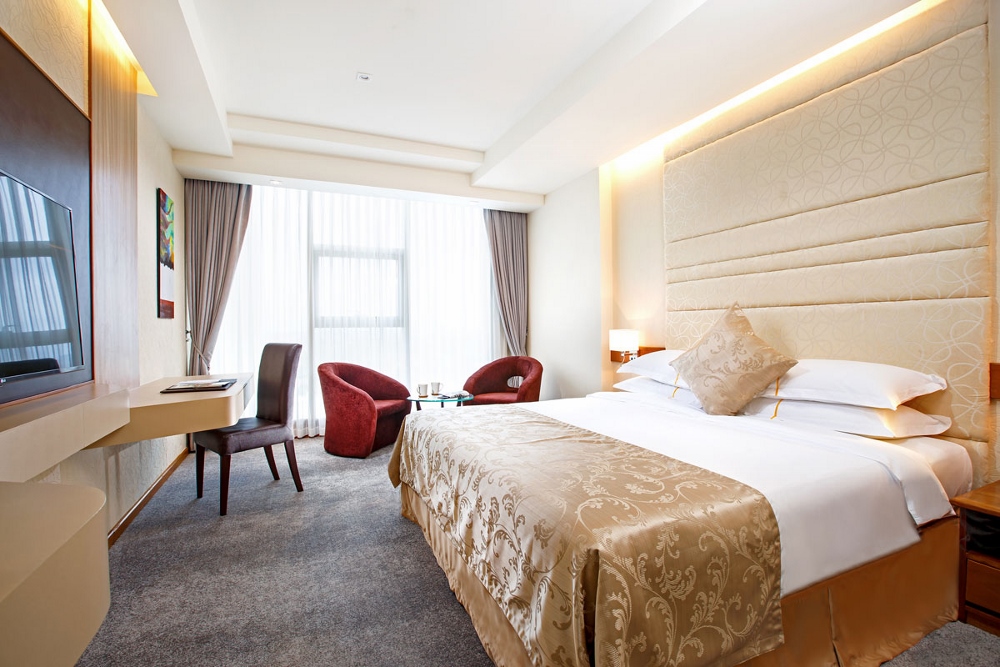
Singapore offers an excellent range of accommodation, from iconic luxury properties such as Raffles Hotel and Marina Bay Sands to boutique heritage hotels in restored shophouses, and comfortable mid-range and budget options. Standards are consistently high and closely regulated, with excellent service throughout. Discovery’s team will be glad to recommend the properties that best suit your style and budget.
Language & Culture
Singapore has four official languages: English, Malay, Mandarin, and Tamil. English is the main language of government, business, and schooling, and is spoken and understood almost everywhere, making it very easy for visitors to get around. Malay is the national language, while Mandarin and other Chinese dialects, and Tamil, reflect Singapore’s Chinese and Indian communities.

Singapore is known for its strict laws and cleanliness. Littering, jaywalking, and eating or drinking on the MRT are all fineable offences, and importing or selling chewing gum is restricted. Smoking is banned in most indoor and many outdoor public places, and vaping is banned entirely. Singapore has extremely strict drug laws, including the death penalty for trafficking, so never carry or use illegal drugs.
Dress modestly when visiting mosques, temples, and other religious sites, and remove your shoes where indicated. Public displays of affection are best kept low-key, in line with generally conservative social norms.
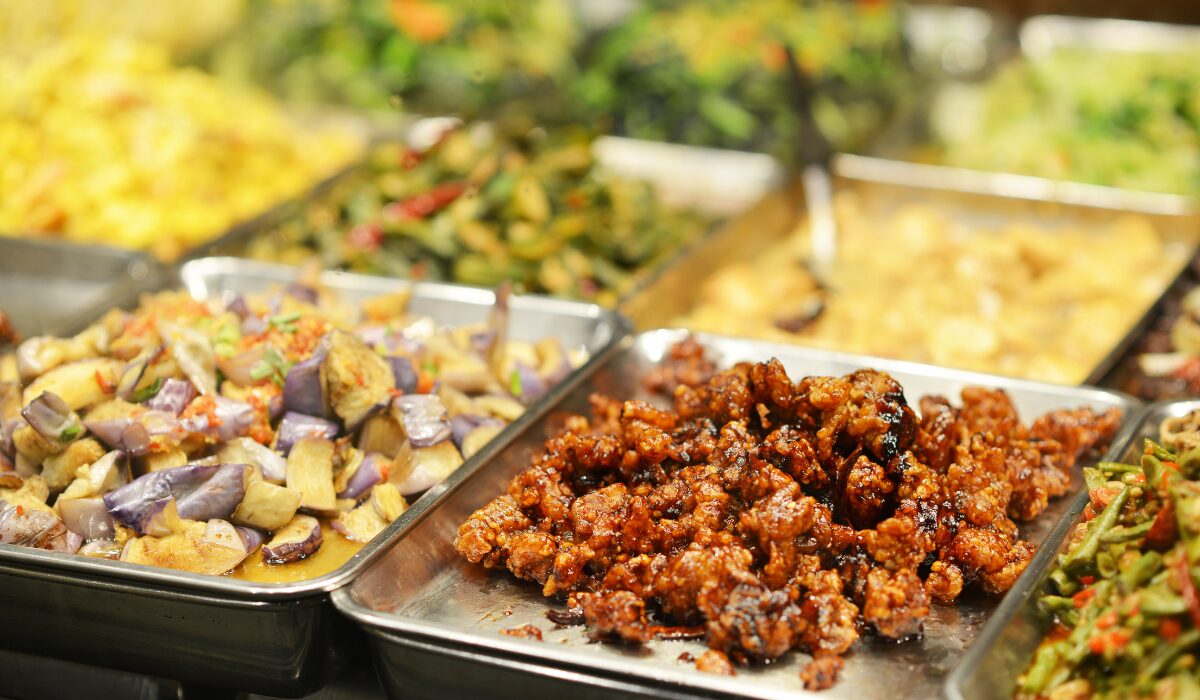
Singapore’s food reflects its multicultural population, blending Chinese, Malay, Indian, and Peranakan influences. Hawker centres, recognised by UNESCO as part of Singapore’s Intangible Cultural Heritage, are the best way to try affordable local classics such as Hainanese chicken rice, chilli crab, laksa, satay, and roti prata.
Tap water is safe to drink throughout Singapore, and food hygiene standards are consistently high.
Visa & Border Crossings
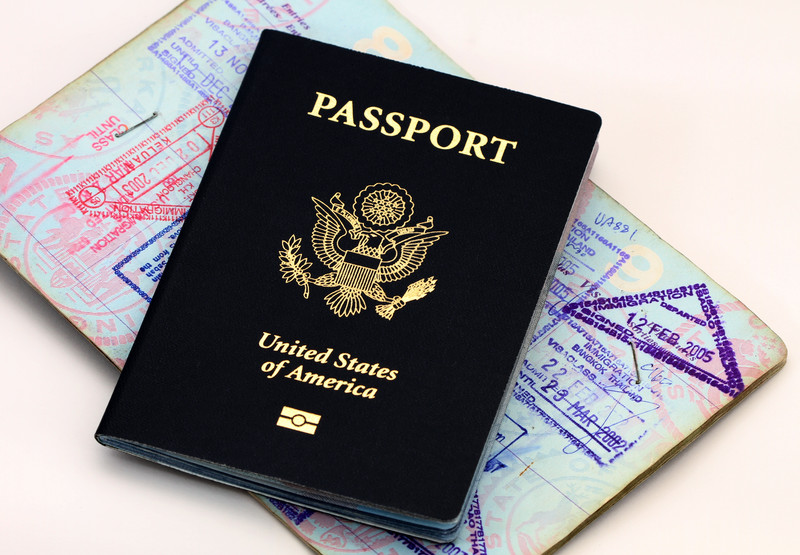
Your passport should be valid for at least 6 months beyond your intended stay. Most nationalities — including the US, UK, EU, Australia, Canada, New Zealand, Japan, South Korea, and China — can enter Singapore visa-free for tourism, typically for 30 to 90 days depending on nationality. A shorter list of nationalities require a visa arranged in advance, including India, Pakistan, Bangladesh, Russia, and several others (check the ICA website for the full list).
Regardless of visa status, all travellers must submit the SG Arrival Card online via the ICA e-Service or MyICA app within 3 days before arrival — this is mandatory but is not itself a visa.
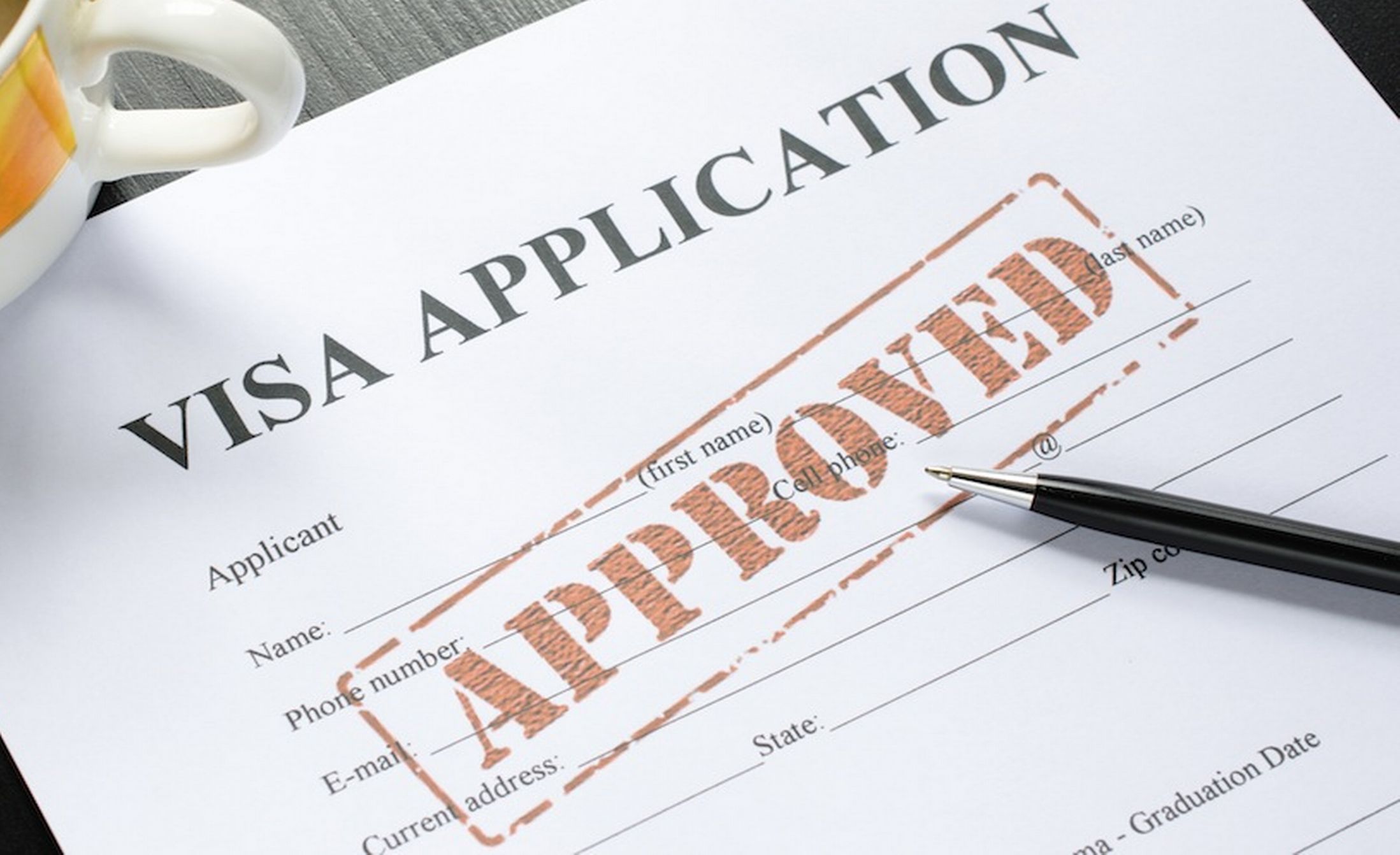
If your nationality requires a visa, applications are generally made online (if you have a local sponsor with a Singpass/Corppass account), through an authorised visa agent, or at the nearest Singapore Overseas Mission — visa applications are not accepted at immigration checkpoints. You’ll typically need your passport, a completed application form, photographs, proof of accommodation and itinerary, and proof of sufficient funds.
Processing times vary by mission and visa type, so it’s best to apply well ahead of your travel date.
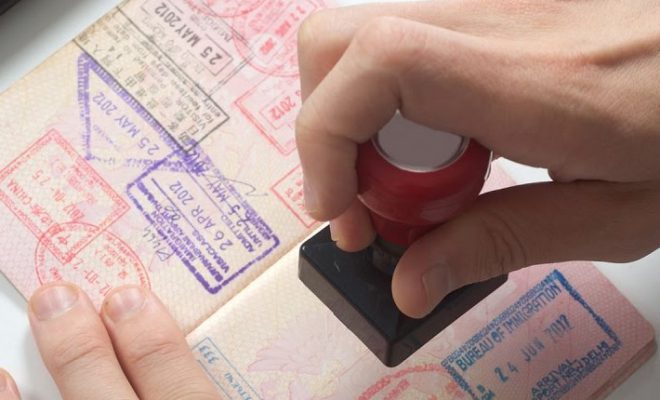
Your permitted length of stay is confirmed by an e-Pass notification sent by email, rather than tied to your visa’s validity. To stay longer, apply for a Short-Term Visit Pass extension via ICA’s e-service before your current pass expires.
Singapore enforces strict overstay penalties: overstaying up to 90 days can mean a fine of up to S$4,000 and/or up to 6 months’ imprisonment, while overstaying beyond 90 days carries mandatory caning in addition to imprisonment. It’s essential to extend your pass or depart before it expires.
Mobile & Internet
Singapore has excellent, near-universal mobile coverage with fast 4G and widespread 5G from the three main network operators — Singtel, StarHub, and M1 — plus budget virtual operators such as Circles.Life and GOMO. Tourist SIM cards and eSIMs are available at Changi Airport, convenience stores, and telco shops, making it easy to stay connected throughout your trip.
Singapore has some of the fastest average internet speeds in the world. Free Wi-Fi, including the nationwide Wireless@SG network, is widely available in malls, cafes, and public spaces, and most hotels offer complimentary high-speed Wi-Fi. Local SIM cards and eSIMs are readily available for travellers who want mobile data on the go.
Money
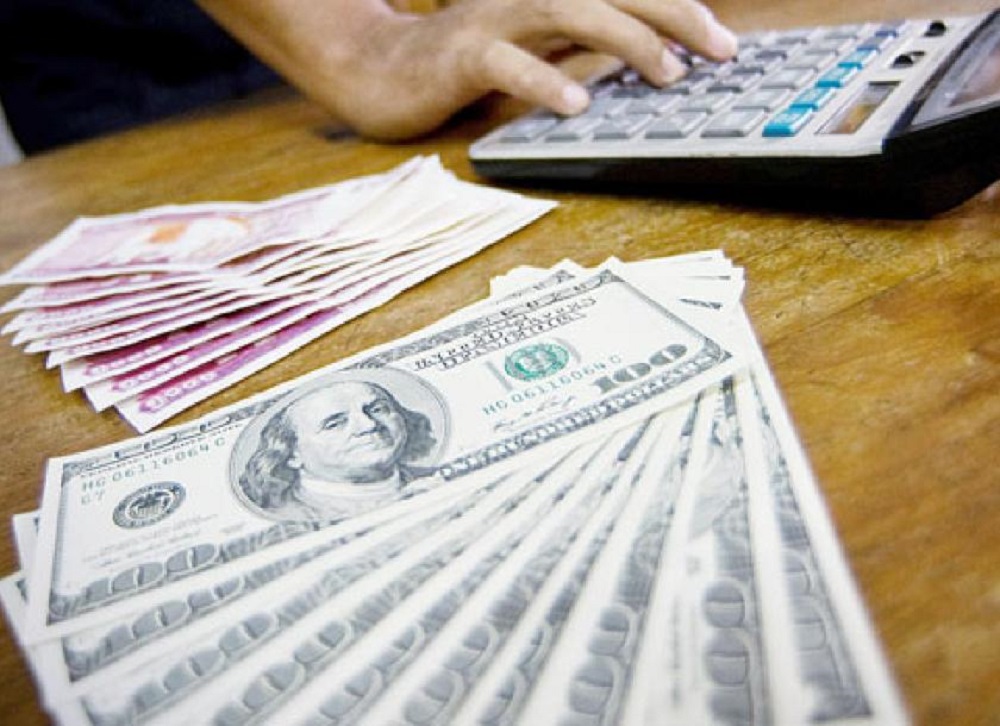
The currency of Singapore is the Singapore Dollar (SGD; symbol S$). The Monetary Authority of Singapore (MAS) oversees the currency, and 1 USD is currently worth approximately 1.29 SGD (rates fluctuate).
Licensed money changers, found in malls and areas like Chinatown and Little India, generally offer better rates than banks or hotels. There’s no limit on bringing currency into or out of Singapore, though amounts over S$20,000 (or equivalent) must be declared to customs.
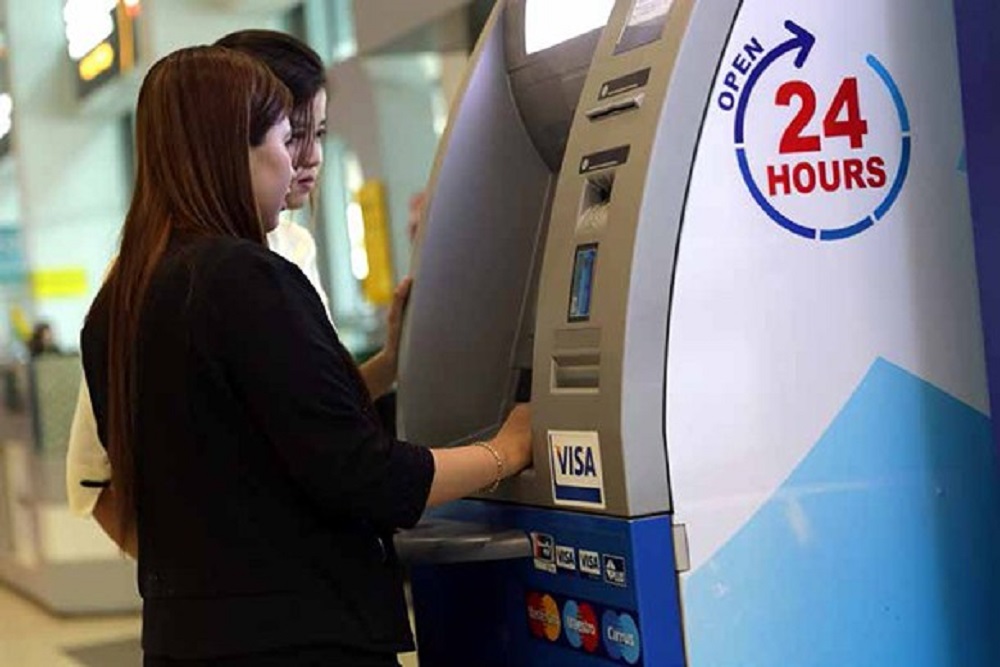
ATMs are widely available in malls, MRT stations, and on most streets, and the majority accept international Visa and Mastercard cards. Contactless and mobile payments are very widely used, and credit cards are accepted almost everywhere, including many hawker centres.
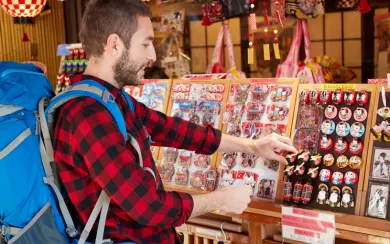
Orchard Road is Singapore’s premier shopping belt, alongside malls at Marina Bay Sands and heritage areas such as Chinatown and Haji Lane for more unique finds. GST is 9%, and visitors can claim a refund under the Tourist Refund Scheme on purchases of S$100 or more from participating retailers, claimed electronically before departing Changi Airport.
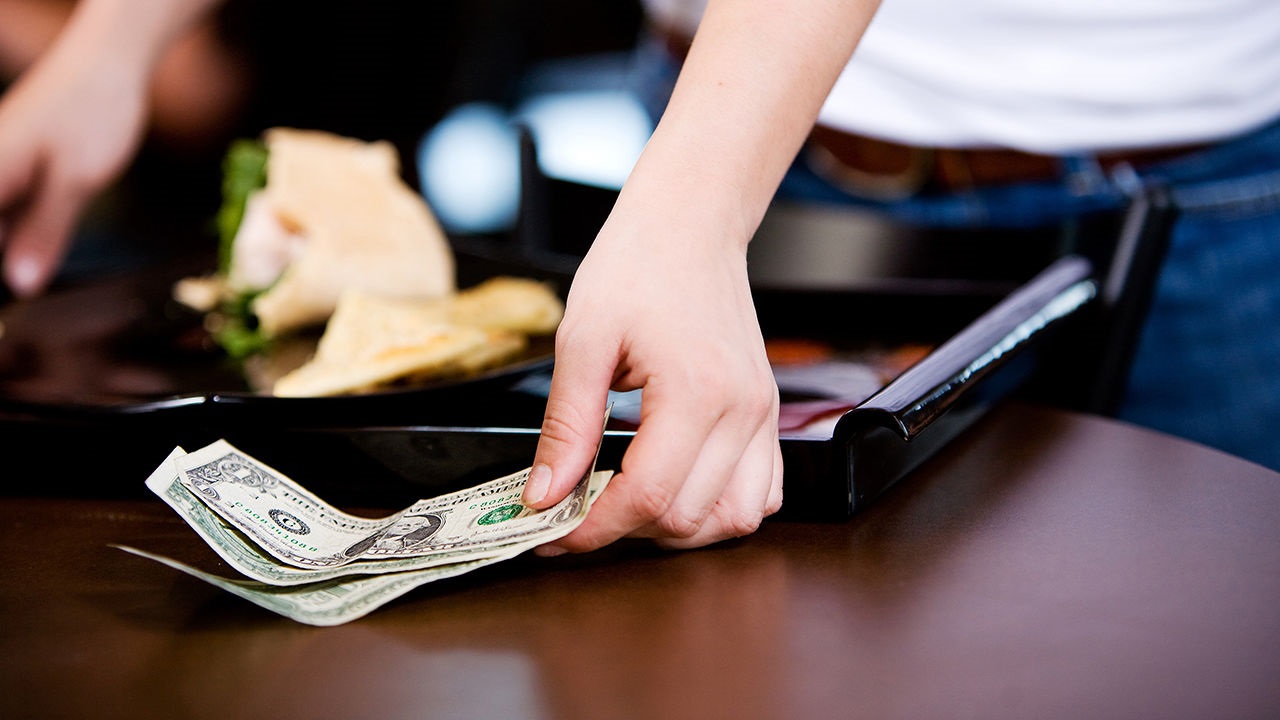
Tipping isn’t customary in Singapore. Most restaurants and hotels already add a 10% service charge plus 9% GST to the bill, and taxi drivers and hotel staff don’t expect tips, though a small tip for exceptional service is always appreciated.