How Can We Help?
Frequently asked questions about Thailand.
Visa & Border Crossings
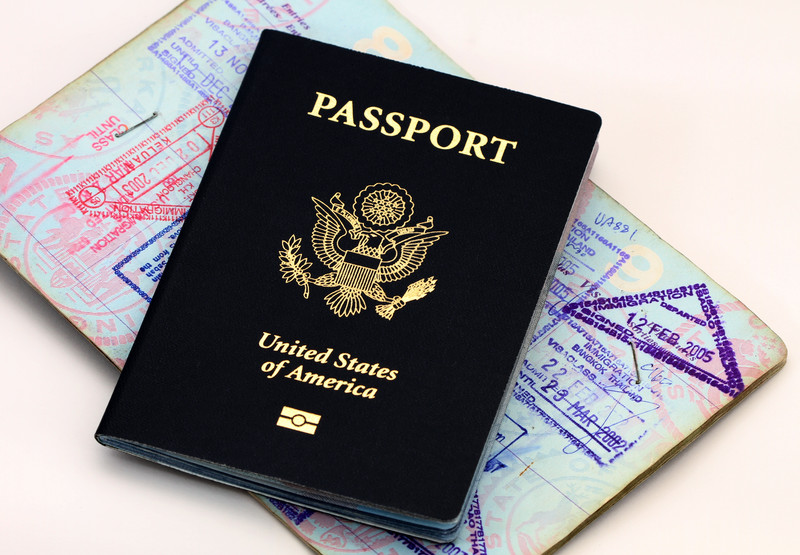
All visitors need a passport valid for at least 6 months beyond their arrival date. Depending on your nationality, you may qualify for visa-exempt entry, a Visa on Arrival, or need to apply for a tourist visa in advance. Visa rules vary by nationality and change from time to time, so please check with your nearest Thai Embassy or the official Thailand e-Visa website before booking your trip.
Thailand’s official e-Visa system lets eligible travelers apply for a tourist visa online before departure. You’ll typically need a valid passport, a recent passport-style photo, proof of onward travel and a valid payment card. Fees and processing times vary by nationality, so check the official Thailand e-Visa portal for current requirements.
If you’d rather apply before you fly, you can do so in person at a Royal Thai Embassy or Consulate in your home country. Standard tourist visas are generally valid for a set period regardless of whether you’re travelling independently or as part of a group. Your embassy can confirm current validity periods and fees.
Depending on your nationality, options may include Visa on Arrival at major airports and select land borders, or applying online through the Thailand e-Visa system. Discovery DMC can help point you toward the right option for your nationality and itinerary, so get in touch before booking your flights.
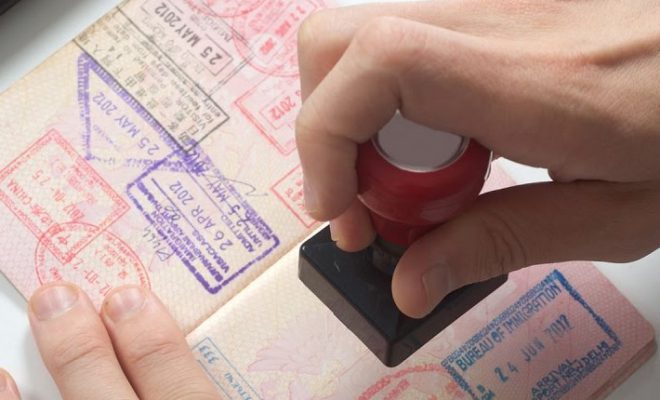
Tourist visas and visa exemptions can typically be extended once at an Immigration Office in Thailand, usually for up to 30 days, subject to a fee. Overstaying results in a fine charged per day, and lengthy overstays can lead to bans on future entry. We recommend checking your permitted stay carefully and applying for an extension before it expires.
Travelling in Thailand
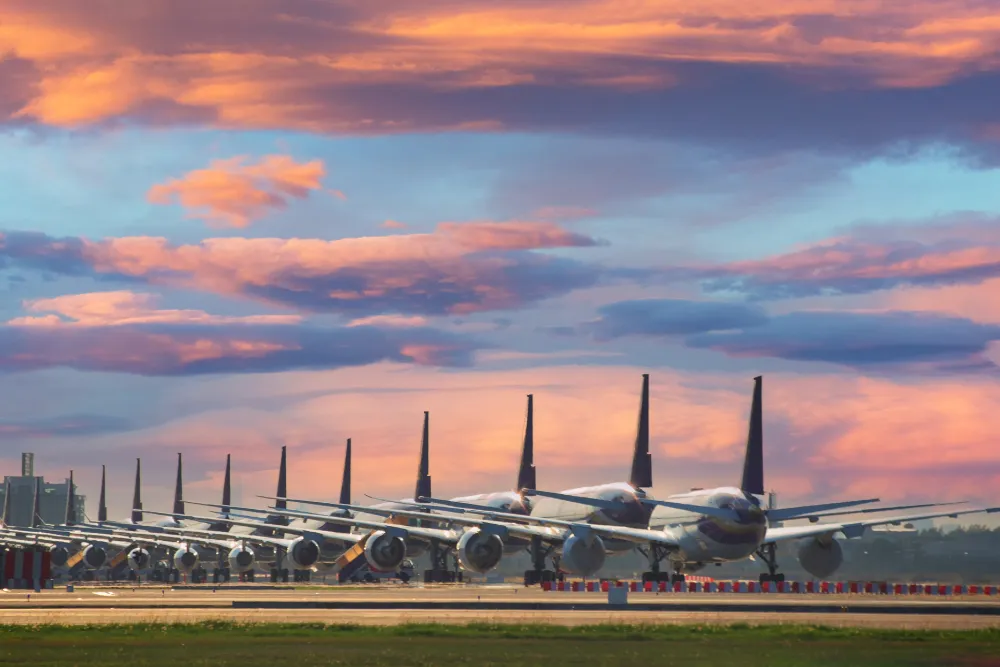
Thailand has an extensive domestic flight network connecting Bangkok with destinations such as Phuket, Chiang Mai, Krabi and Koh Samui. Thai Airways and Bangkok Airways cover many routes, while budget carriers including Thai AirAsia, Thai Lion Air and Nok Air offer frequent, affordable flights nationwide. Booking ahead and flying off-peak often gets you the best fares.
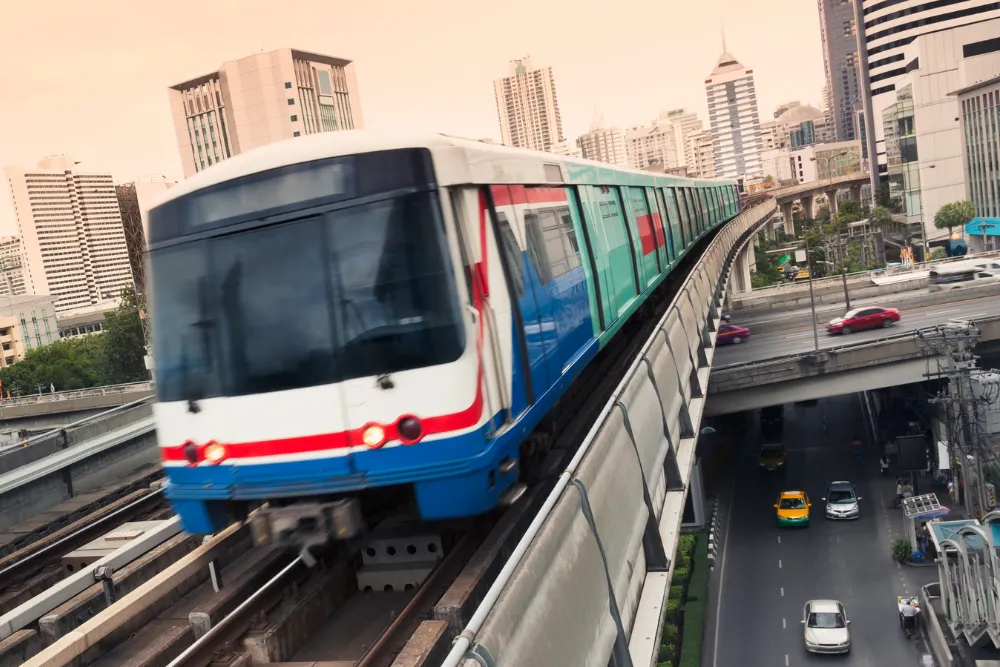
Thailand has a well-developed transport network. Car hire is available in most towns (drivers must be at least 18, hold an international driving permit alongside their national licence, and remember Thailand drives on the left). Taxis and tuk-tuks are widely available and inexpensive, especially in Bangkok and Chiang Mai – agree tuk-tuk fares before you set off. Long-distance buses range from basic to luxury air-conditioned coaches, and Bangkok’s BTS Skytrain and MRT make getting around the capital easy. The rail network reaches most regions (Phuket has no train station), with comfortable sleeper trains for longer journeys. Ferries link the mainland to popular islands such as Koh Samui, Phi Phi, Koh Chang and Koh Samet, though services can be reduced during the monsoon season.

Thailand offers accommodation for every style and budget, from boutique guesthouses to some of the finest five-star resorts and luxury pool villas in Asia. Bangkok, Phuket, Chiang Mai, Koh Samui and Krabi all have excellent international-standard hotels, while more remote areas may offer simpler, though still comfortable, options. Discovery DMC hand-picks every property against our own quality criteria.

Lightweight, breathable cotton or linen clothing suits Thailand’s tropical climate, along with a light rain jacket in the wet season. Pack a swimsuit, sunscreen, a hat and comfortable walking shoes. When visiting temples, dress modestly (cover shoulders and knees) and be ready to remove your shoes before entering.
Mobile & Internet

Mobile coverage is excellent in cities and most tourist areas, with reliable 4G and growing 5G availability from major operators such as AIS, dtac and True. Coverage can be patchy in remote or mountainous areas. Affordable prepaid SIM cards with data are widely available at the airport and convenience stores.
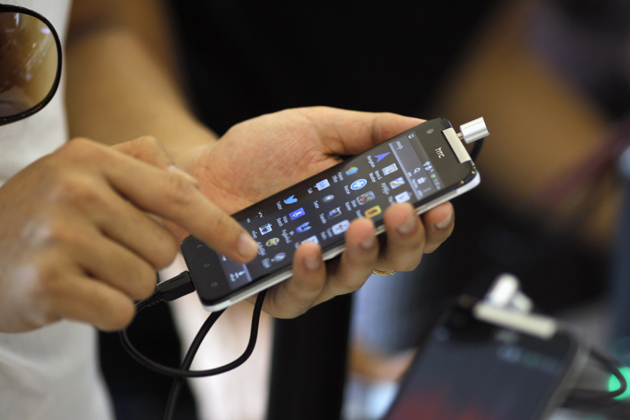
Internet access is fast and widely available. Most hotels, cafes and restaurants offer free Wi-Fi, and a local SIM with data is an affordable way to stay connected on the go, even in more remote areas.
Thailand Overview
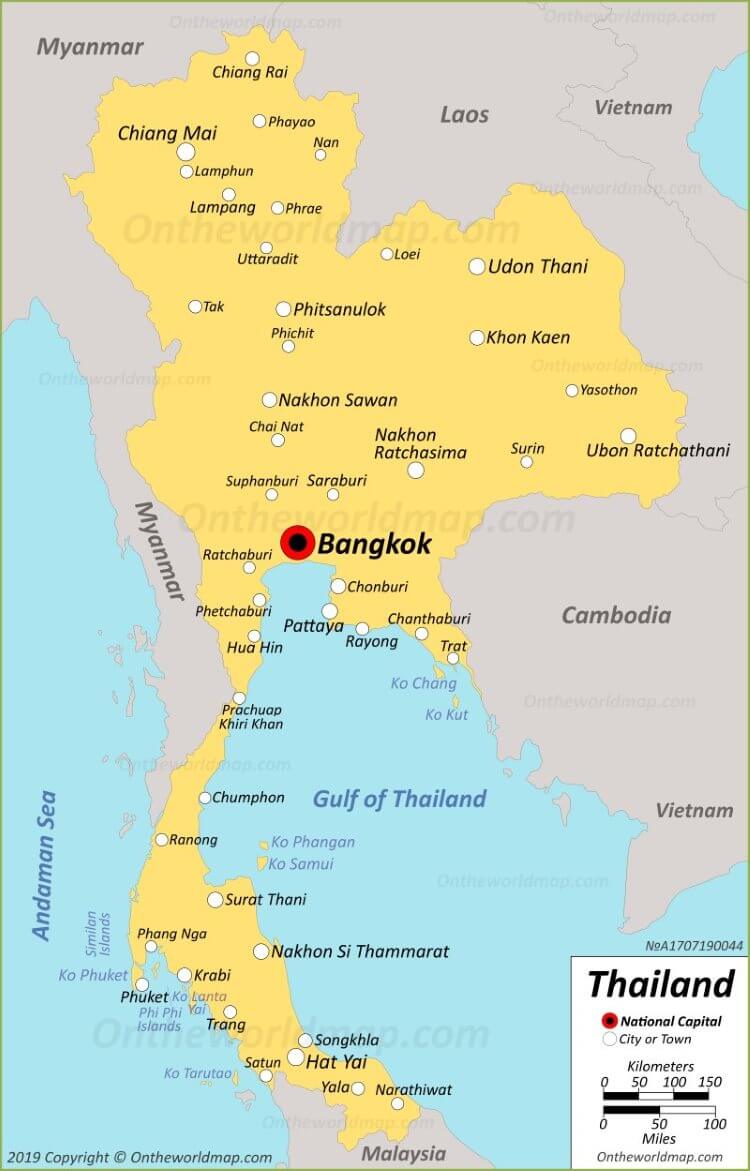
| Country Facts & Figures | |
|---|---|
| Country Name: | Thailand |
| Government: | Constitutional monarchy – the King is Head of State and the Prime Minister is Head of Government |
| Capital: | Bangkok |
| Population: | Approximately 70 million |
| Major Destinations: | Bangkok, Phuket, Pattaya, Chiang Mai, Ayutthaya, Krabi, Koh Samui, Hua Hin |
| Area: | 513,120 km2 (198,120 sq mi) |
| Official Language: | Thai |
| Main Religion: | Buddhism (around 95% of the population) |
| Time: | UTC+7 (ICT) |
| Country Code: | +66 |
| Currency: | Thai Baht (฿) (THB) – exchange rates fluctuate, so check a reliable currency converter before you travel |
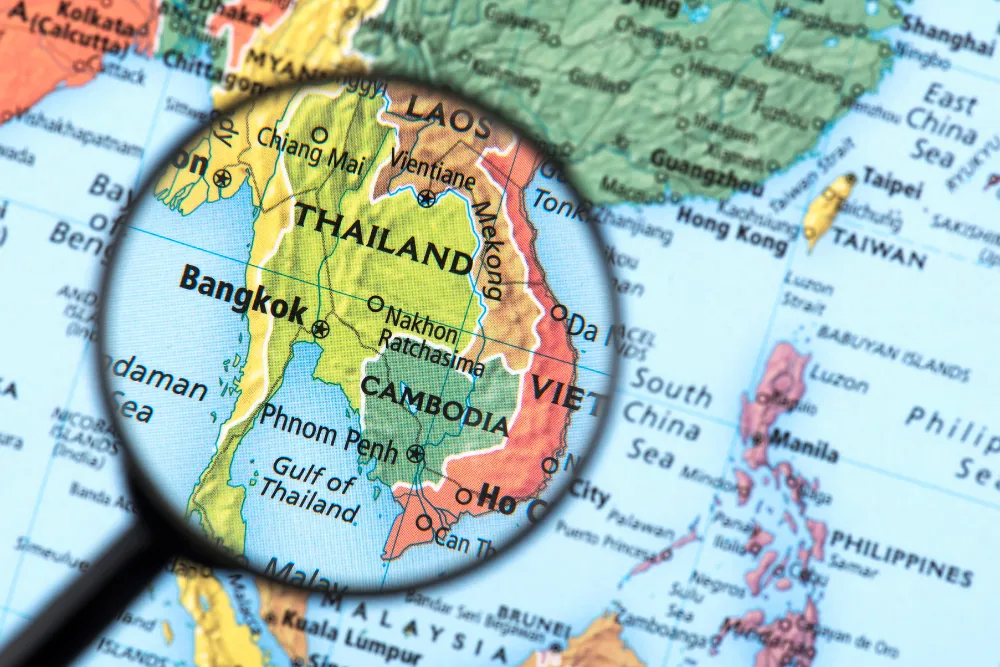
Thailand’s climate varies by region, so there’s rarely a bad time to visit, but the cool, dry season from November to early April is generally considered best. The Gulf coast (including Koh Samui) and the Andaman coast (including Phuket) have slightly different weather patterns, so it’s worth checking regional conditions, especially around monsoon season.
Thailand is on UTC+7 (Indochina Time), with no daylight saving changes.
Language & Culture
Thai is the official language, spoken by the vast majority of the population. Belonging to the Tai-Kadai language family, it has been influenced over centuries by Sanskrit, Old Khmer and Pali. English is widely understood in hotels, restaurants and tourist areas. Discovery DMC can also provide guides in German, French, Italian, Spanish, Russian, Japanese and Chinese.

Do remove your shoes before entering temples and most homes, dress modestly at religious sites, and greet people with a gentle wai (a slight bow with palms pressed together) if greeted that way first. Don’t touch anyone’s head, including children’s, and don’t point your feet at people or Buddha images. The Thai royal family is deeply respected, so avoid critical or disrespectful comments about the monarchy. A calm, friendly manner will always serve you better than a raised voice.
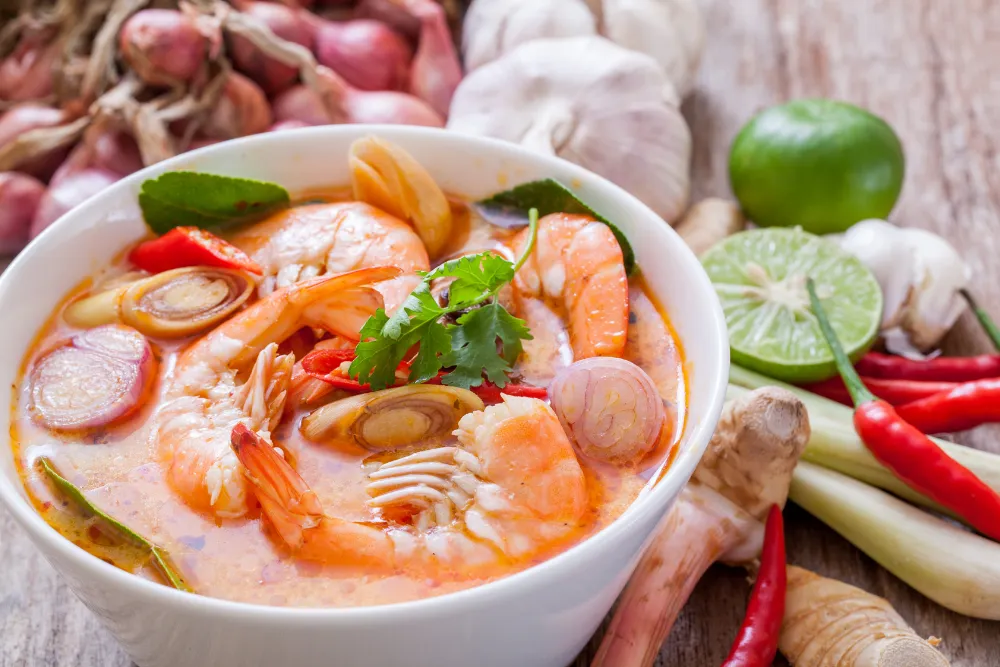
Thai cuisine is known for its bold flavours, balancing spicy, sour, sweet and salty notes with fresh ingredients like lemongrass, chilli, lime and coriander. Rice accompanies most meals, and tropical fruits such as papaya, mangosteen, rambutan and durian are popular (durian’s strong smell means it’s banned in many hotels!). From street food stalls to fine dining and international options in the major cities, there’s something for every taste and budget.
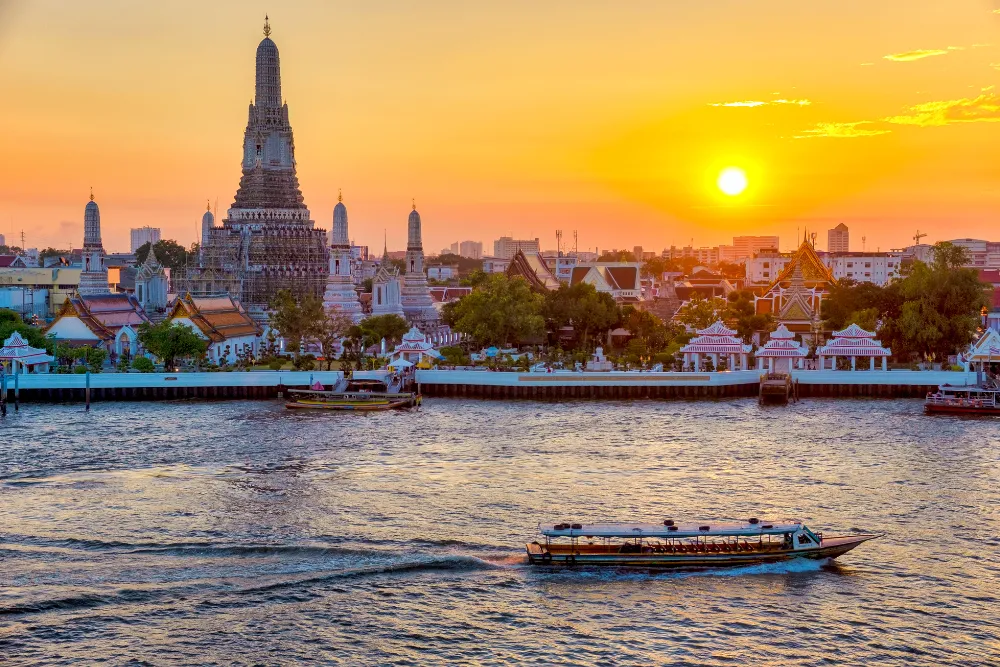
Thailand has a tropical climate with three main seasons: hot (March to May), rainy (June to October) and cool (November to February). The cool season is generally the most comfortable time to visit, though ideal timing varies by region – the Gulf coast islands, for example, are best from around June to September.
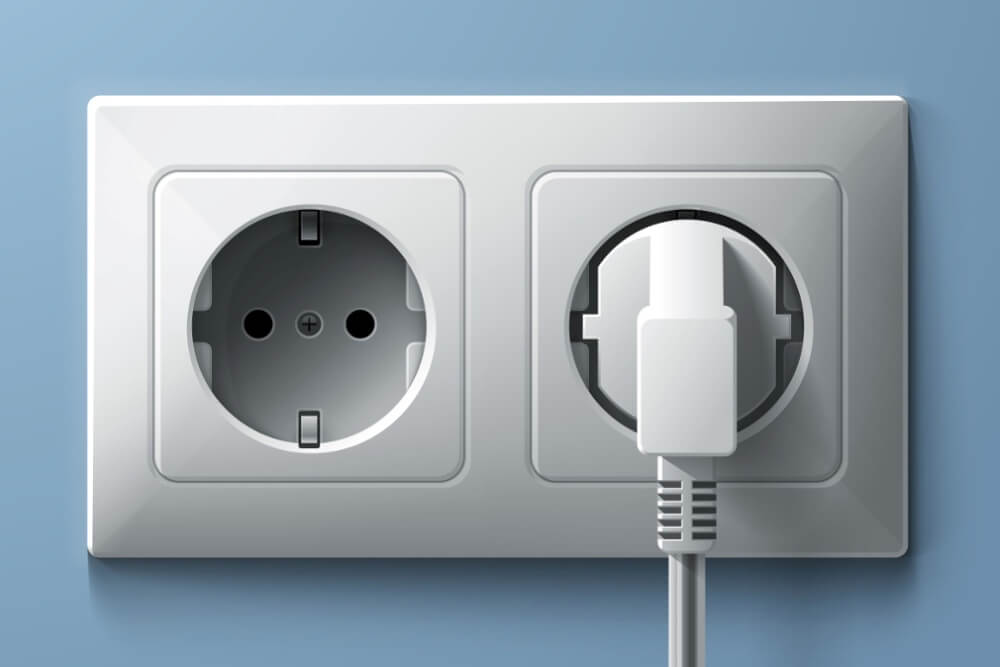
Thailand’s electricity runs at 220V, 50Hz. Sockets typically accept both two-pin round (Type C) and flat (Type A) plugs, so many travelers won’t need an adaptor, but it’s worth packing a universal travel adaptor, plus a voltage converter if your devices don’t support 220V.
Money
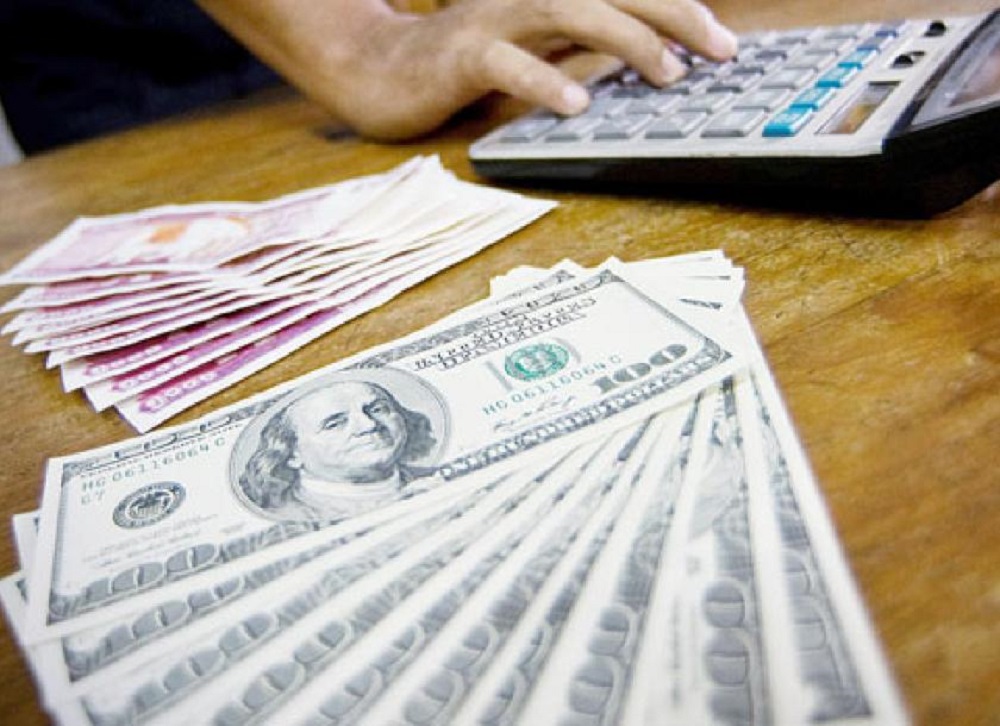
The local currency is the Thai Baht (THB, ฿). Banks generally offer the best exchange rates, hotels tend to charge higher commissions, and currency exchange booths are widely available in towns and tourist areas. Carry some smaller denomination notes, as change for large notes can be hard to come by outside major towns. There are limits on cash import/export and declaration thresholds for foreign currency, so check current customs rules before you travel.
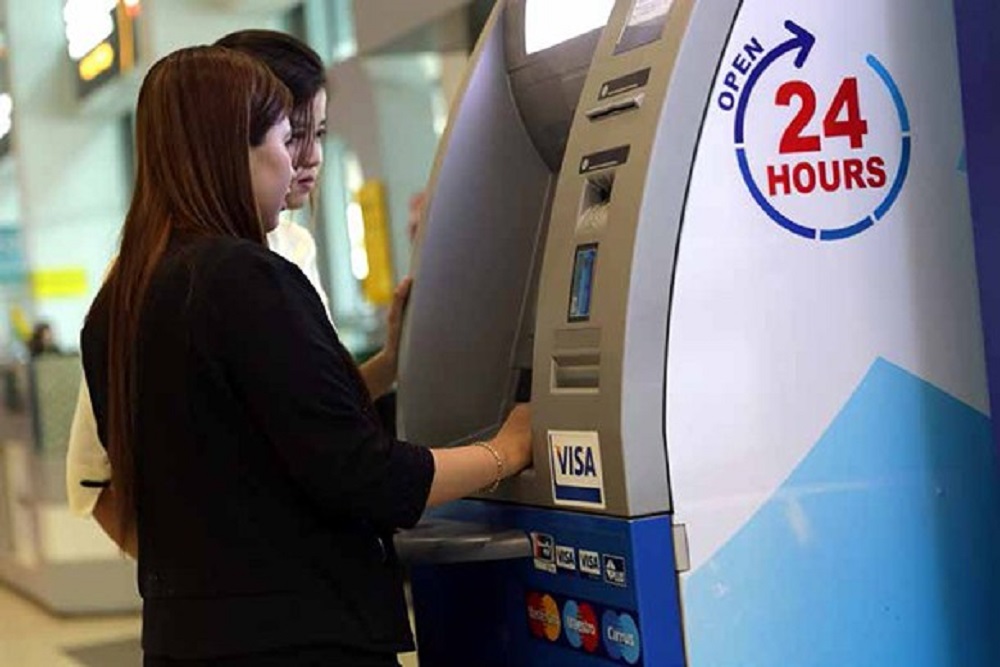
ATMs are widely available throughout Thailand, including in smaller towns, and accept most major international cards. Thai banks typically charge a foreign transaction fee per withdrawal, so withdrawing larger amounts less often can help minimize charges. Credit cards are widely accepted in hotels, shops and restaurants in tourist areas, though cash is useful for smaller vendors and rural areas.
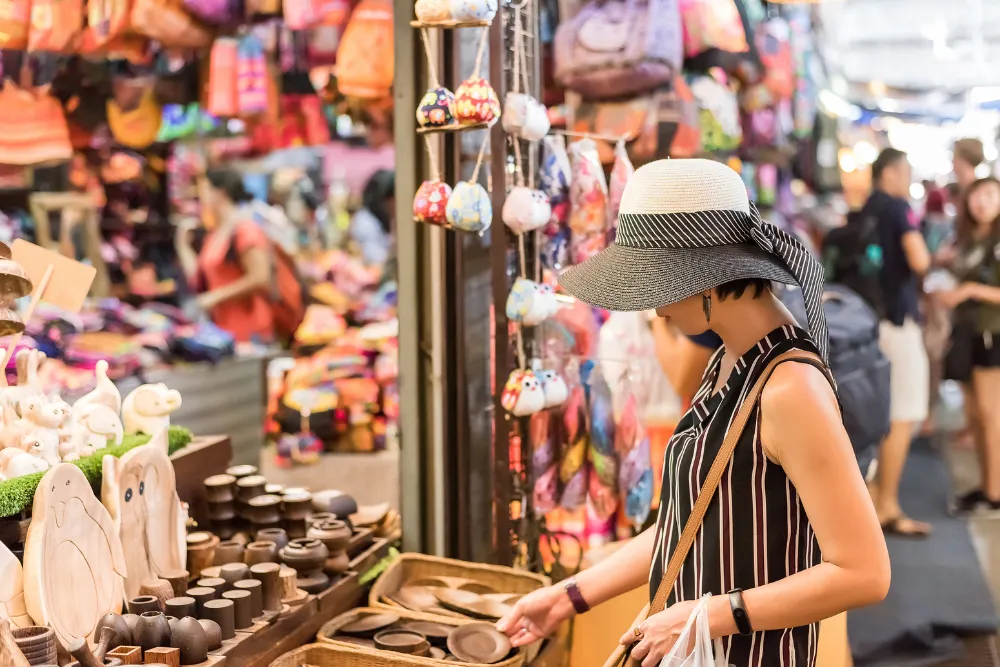
Thailand is a shopper’s paradise, from air-conditioned malls and boutiques to bustling night markets, weekend bazaars and colourful floating markets. Popular buys include handwoven silk, handcrafted jewellery and gemstones, ceramics, leather goods and home decor. Bargaining is expected at markets, but not in fixed-price stores and malls, so it’s worth knowing which is which before you start negotiating.
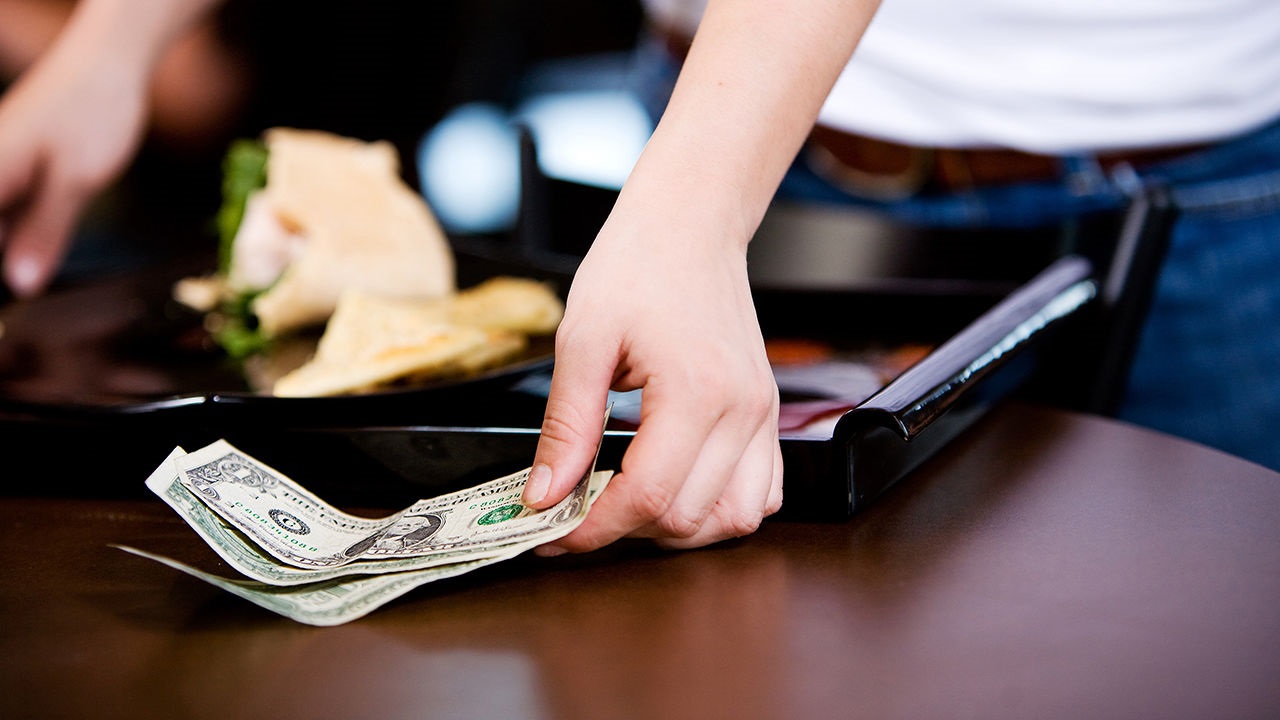
Tipping isn’t obligatory in Thailand and you won’t be expected to pay it. That said, a small gratuity for good service, whether for a guide, driver or restaurant server, is always appreciated and is becoming more common in tourist areas.
OTHER REGIONS
Thailand / Essential Information
- Visas and border crossings
- Country facts and figures
- Language and culture
- Security
- Money
- Mobiles and the Internet
- Travel to and around Thailand
- And more