SAPA

Gateway to Vietnam’s Northern Highlands Adventures

SAPA Travel Guide

Nestled in the misty mountains of northern Vietnam, Sapa is a breathtaking highland retreat where dramatic rice terraces cascade down emerald hills and colorful hill-tribe cultures thrive. This captivating destination offers a luxurious escape into nature, where guests can unwind in elegant mountain lodges with sweeping views and indulge in curated trekking experiences through remote villages. Sapa is more than just scenery—it’s a sensory journey of cool alpine air, vibrant ethnic traditions, and intimate encounters with Vietnam’s diverse heritage. Whether you’re exploring the terraced valleys of Muong Hoa or sipping tea by a fireplace overlooking Fansipan, Sapa invites you to experience mountain life in the most refined way.

Where clouds kiss terraced hills and tradition lives on—Sapa is Vietnam’s poetic soul wrapped in mountain mist and cultural charm.

Sapa, nestled in the Hoàng Liên Son Mountains of northern Vietnam, was originally inhabited by various ethnic minority groups, including the Hmong, Dao, Tay, and Giay. The French colonial administration discovered Sapa in the early 1900s and developed it into a hill station to escape the summer heat of the lowlands. Colonial villas were constructed, and Sapa became known for its cool climate and striking alpine scenery. Over time, the area gained prominence for its ethnic diversity and terraced rice fields. Though much of its colonial architecture was destroyed during the conflicts of the 20th century, Sapa has re-emerged as a sought-after destination for cultural immersion and highland adventure.

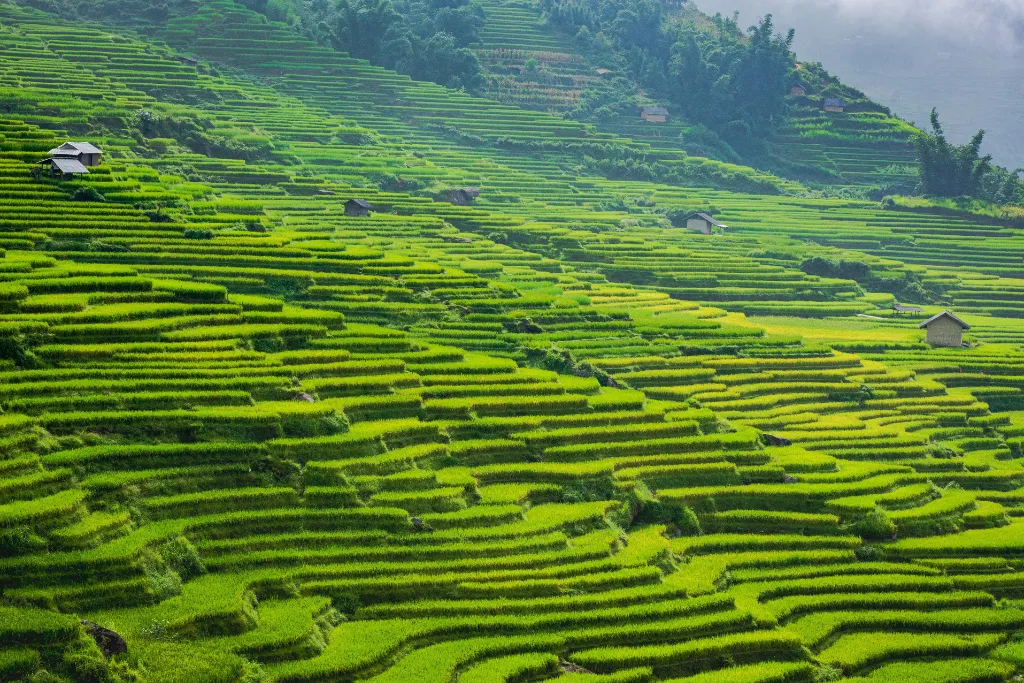
Terraced Rice Fields

Marvel at the breathtaking, cascading rice terraces of Muong Hoa Valley, especially stunning during planting and harvest seasons.

Ethnic Minority Villages

Visit Hmong, Red Dao, Tay, and Giay communities to experience traditional lifestyles, handicrafts, and markets.

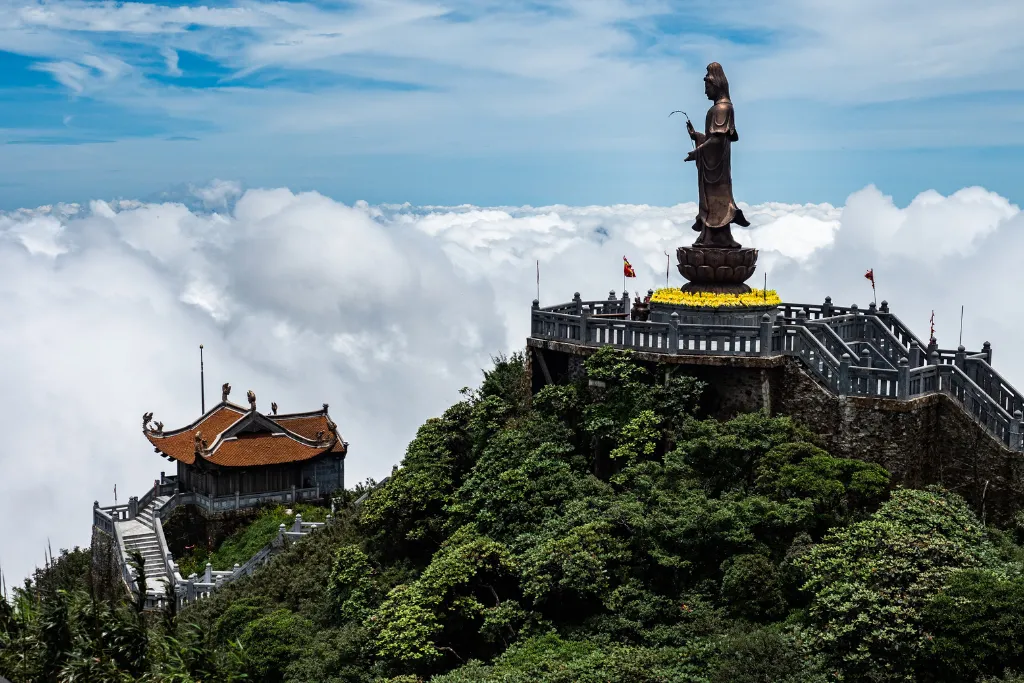
Fansipan Mountain

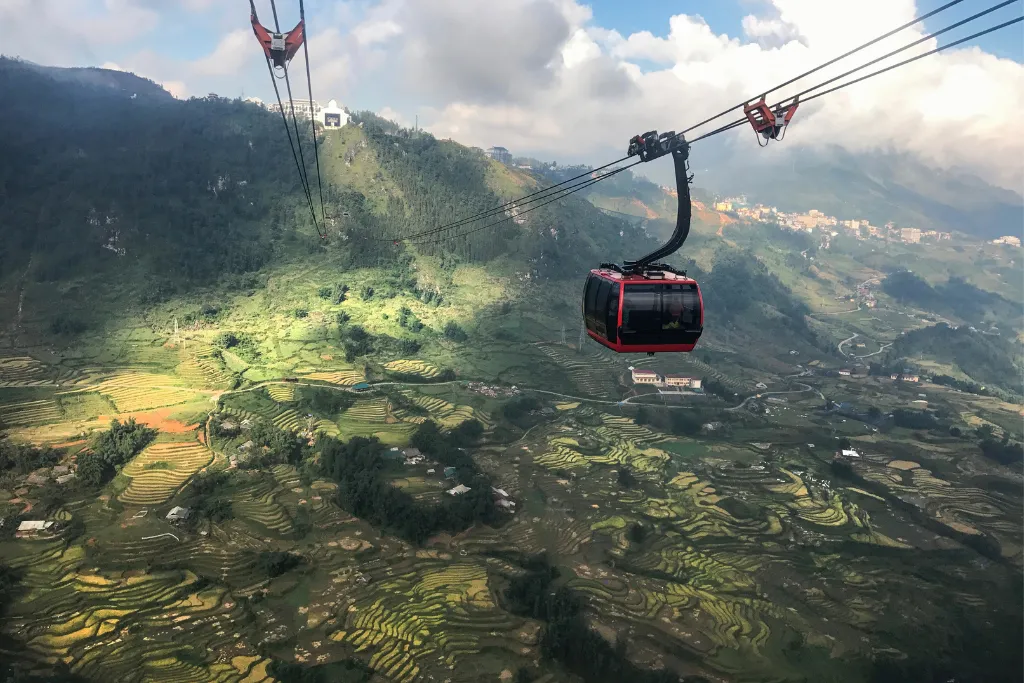
Take the cable car or hike to the “Roof of Indochina,” the highest peak in Vietnam at 3,147 meters.

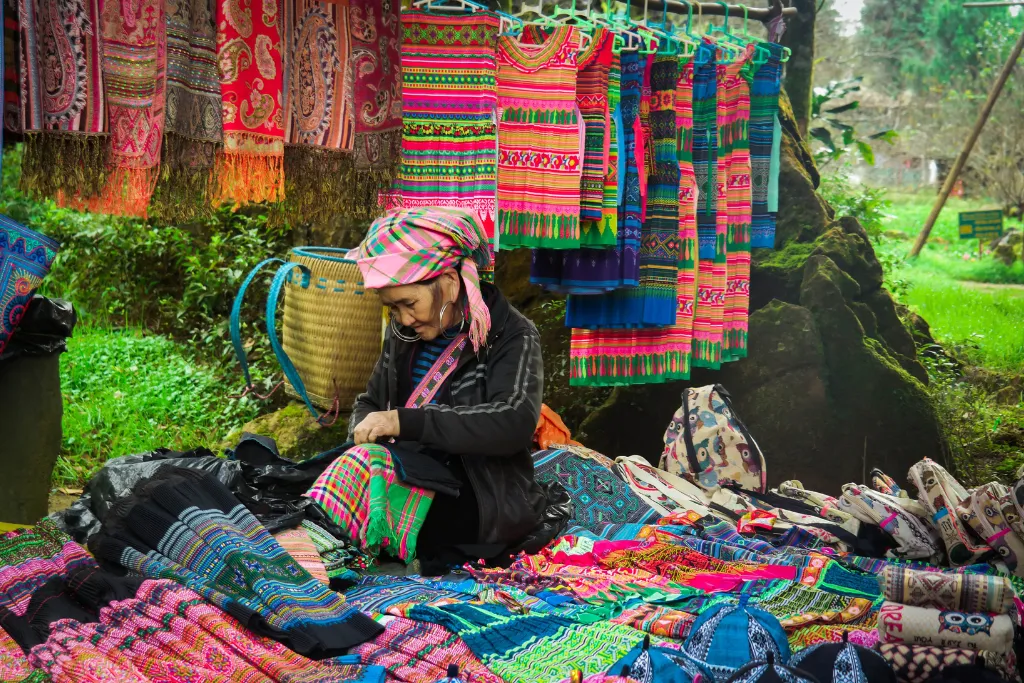
Local Markets

Explore vibrant hill tribe markets like Bac Ha and Coc Ly, filled with colorful textiles, produce, and local delicacies.

Trekking Adventures

Embark on guided hikes through scenic mountain paths, rice paddies, and remote villages.

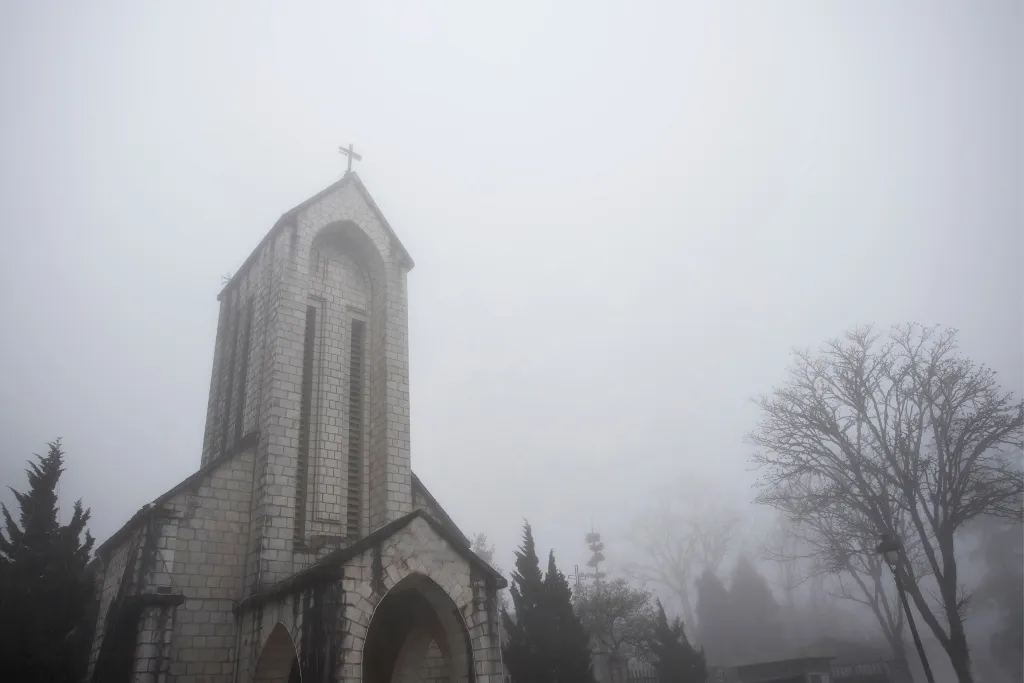
Sapa Stone Church

Visit this iconic French colonial-era church, a centerpiece of Sapa Town.

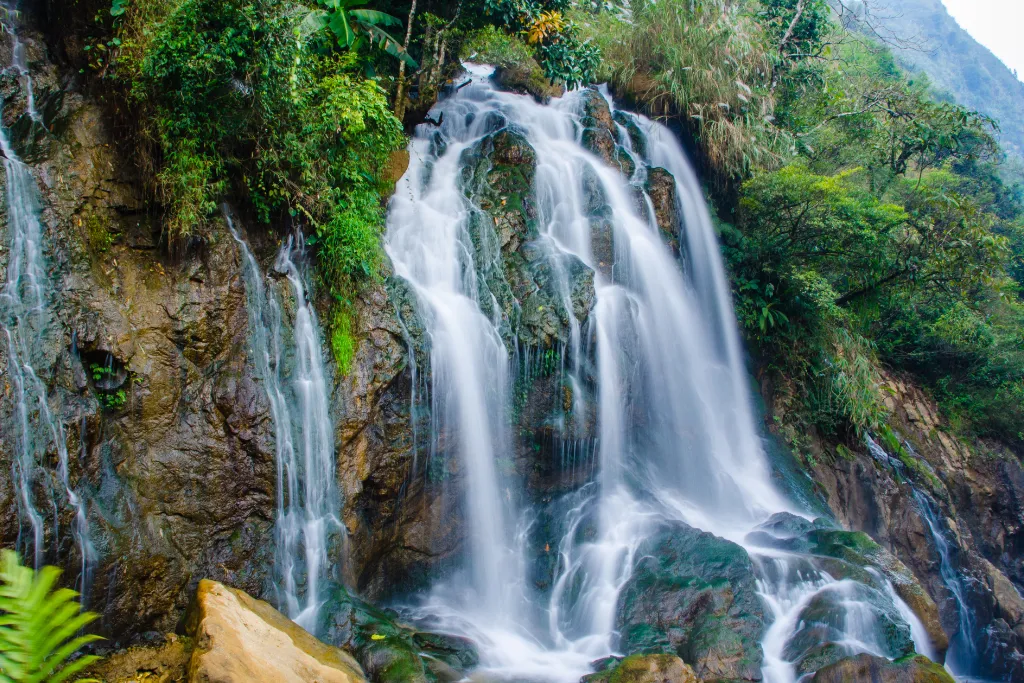
Silver & Love Waterfalls

Discover natural beauty with visits to these picturesque waterfalls nestled in the surrounding hills.

Sapa is located in northern Vietnam near the Chinese border and is most commonly accessed from Hanoi. The most popular and comfortable option is by overnight train from Hanoi to Lao Cai Station, followed by a scenic one-hour drive or minivan transfer to Sapa town. Alternatively, travelers can take a direct bus or limousine van from Hanoi, which takes around 5–6 hours. For those seeking more convenience, private transfers can also be arranged through luxury travel agencies for a seamless journey.

Getting around Sapa is best done on foot or by private car with a driver. Many of the highlights—such as local villages, rice terraces, and viewpoints—are accessible via scenic hiking routes. For longer distances or day trips, hiring a car or booking a guided tour is recommended. Motorbike rentals are available but should be used with caution due to mountainous terrain. Trekking with a knowledgeable guide is one of the most immersive and rewarding ways to explore the region.

Interested in festivals?  read more about festivals in Sapa and around Vietnam.
Hanoi


Halong Bay

Hue


Danang


Hoi An


Saigon


Mekong Delta


Beaches


Vietnam / Essential Information

  • Visas and border crossings
  • Country facts and figures
  • Language and culture
  • Security
  • Money
  • Mobiles and the Internet
  • Travel to and around Vietnam
  • And more