KO SAMET
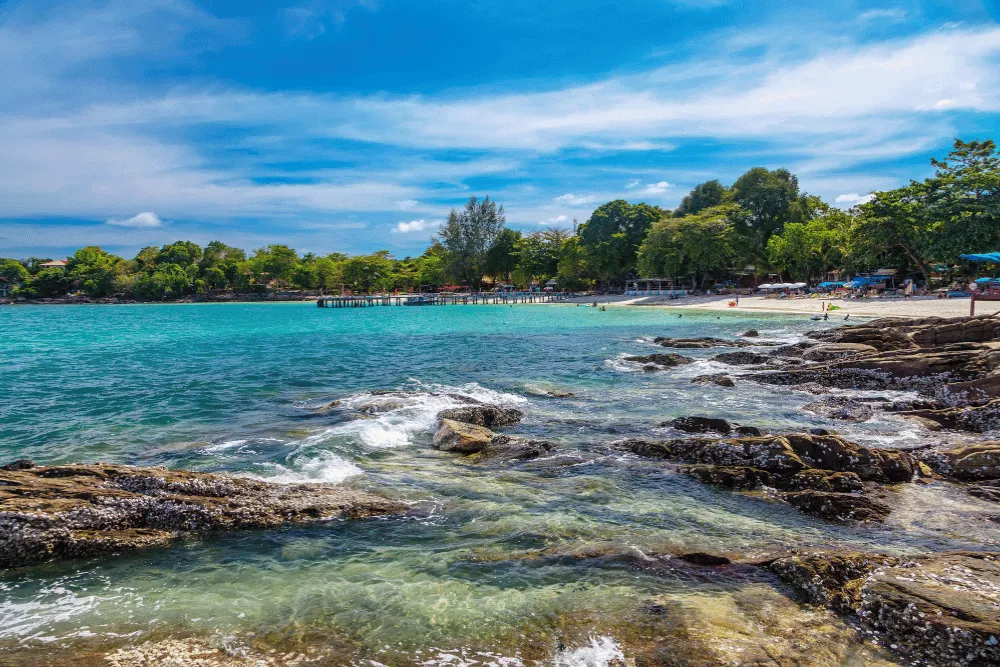
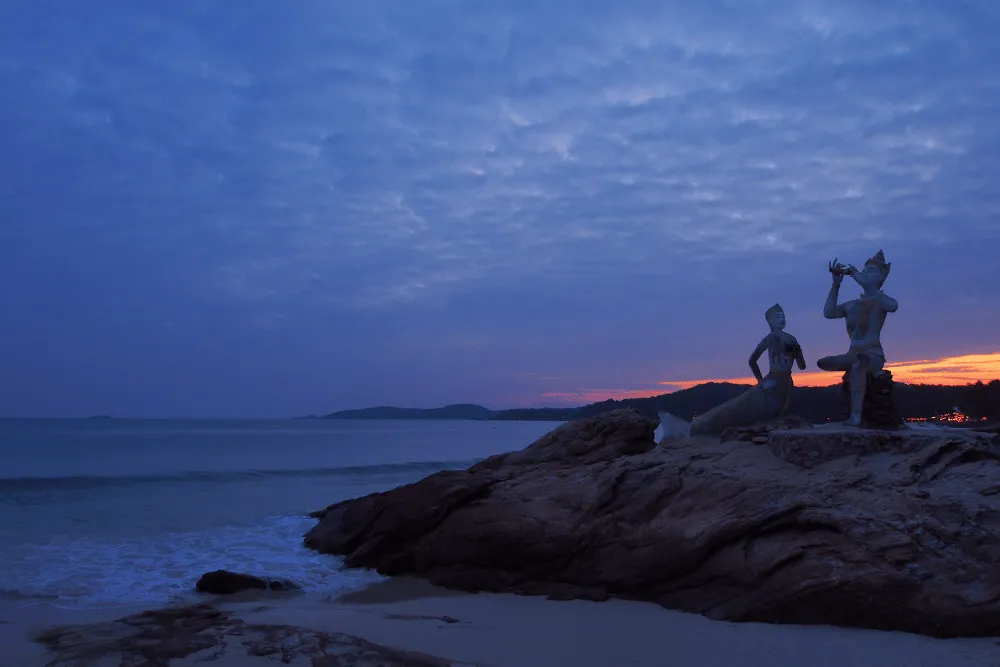
Just off the coast of Rayong, barely three hours from Bangkok, Ko Samet feels like a different country altogether. This slender, forested island — protected almost in its entirety as the Khao Laem Ya–Mu Ko Samet National Park — is ringed by a string of coves that shift in character from one headland to the next: powder-white Hat Sai Kaew by day, hushed Ao Prao at sunset, lively Ao Wong Duan after dark. Sunthorn Phu, Thailand’s most celebrated poet, set part of his nineteenth-century epic Phra Aphai Mani on these very shores, and statues of his mermaid and sea giant still stand watch over the sand at Hat Sai Kaew. For travellers craving turquoise water, fresh seafood and genuine quiet without a long-haul flight, Samet is Bangkok’s most rewarding island escape.
Samet trades Bangkok’s skyline for pine-scented headlands and three shades of blue. Our travel designers curate everything from private speedboat transfers and beachfront villas to sunset dinners on the sand — the very best of Thailand’s easiest island escape.
KO SAMET Highlights
Hat Sai Kaew (Diamond Beach)The island’s longest and most popular beach, a wide sweep of powder-soft white sand and warm, shallow water backed by beach clubs, restaurants and the ferry pier at Na Dan. Sun loungers and jet skis by day give way to candlelit dinner tables on the sand after dark.
The Phra Aphai Mani StatuesAt the northern end of Hat Sai Kaew, bronze statues of a mermaid and a sea giant recreate a scene from Sunthorn Phu’s classic epic Phra Aphai Mani — a nod to the island’s literary past and one of Samet’s most photographed spots.
Ao Wong DuanThe island’s second-largest bay, wrapped around a curve of calm, clear water and lined with a relaxed mix of resorts, beach bars and seafood shacks — a favourite for swimming and lazy afternoons.
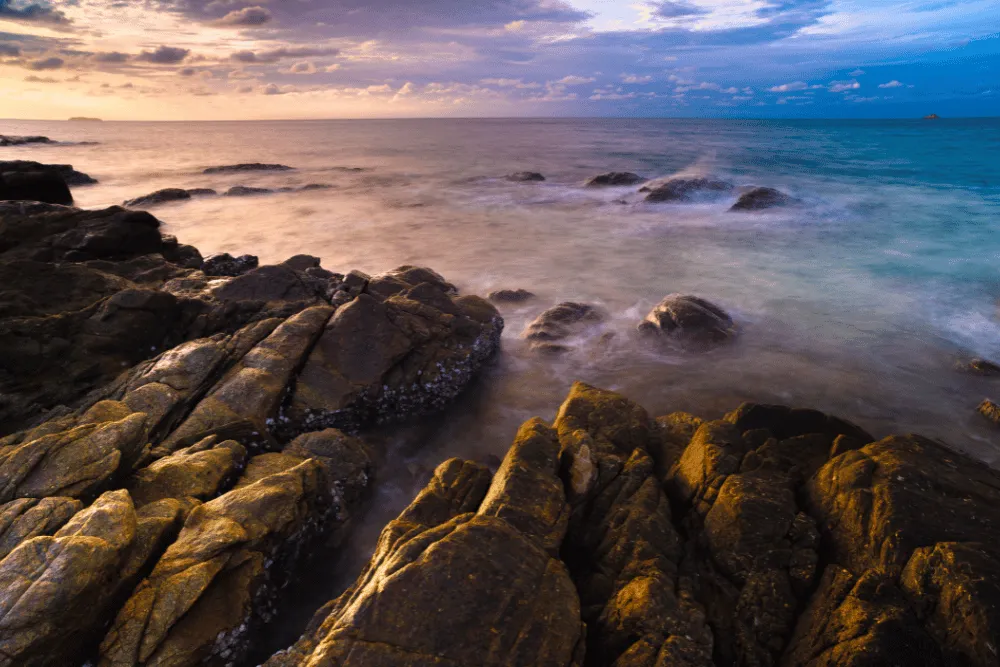
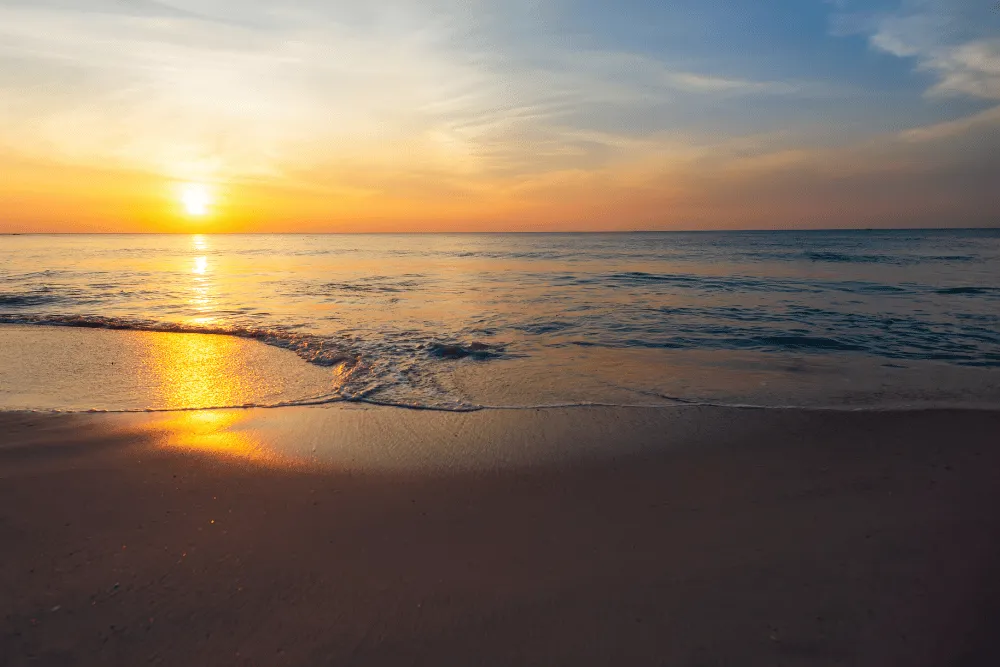
Ao Prao (Paradise Beach)Tucked on the island’s quieter west coast, this secluded cove faces the mainland and delivers Samet’s best sunsets, its calm water and handful of boutique resorts making it the pick for travellers after a slower pace.
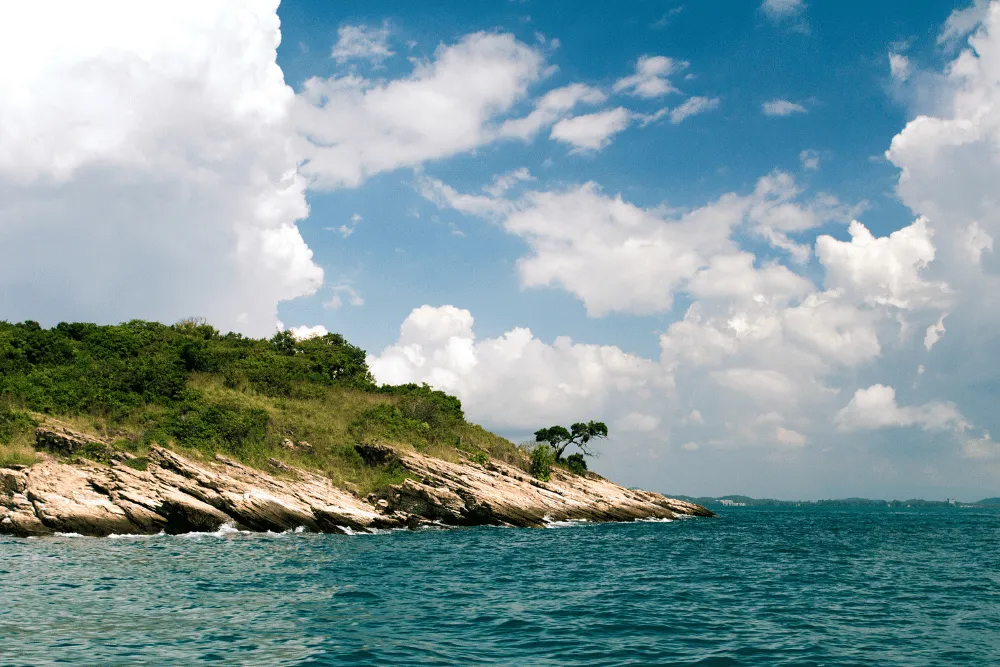
Khao Laem Ya – Mu Ko Samet National ParkNearly the whole island falls within this protected national park, its forested interior laced with walking trails, hidden viewpoints and rocky headlands separating one beach from the next.
Beach Bars & Fire ShowsAs the sun goes down, Hat Sai Kaew’s beach bars light their fire ropes and jugglers take to the sand — a nightly ritual of fire shows, bucket cocktails and live music that has long been part of the Samet experience.
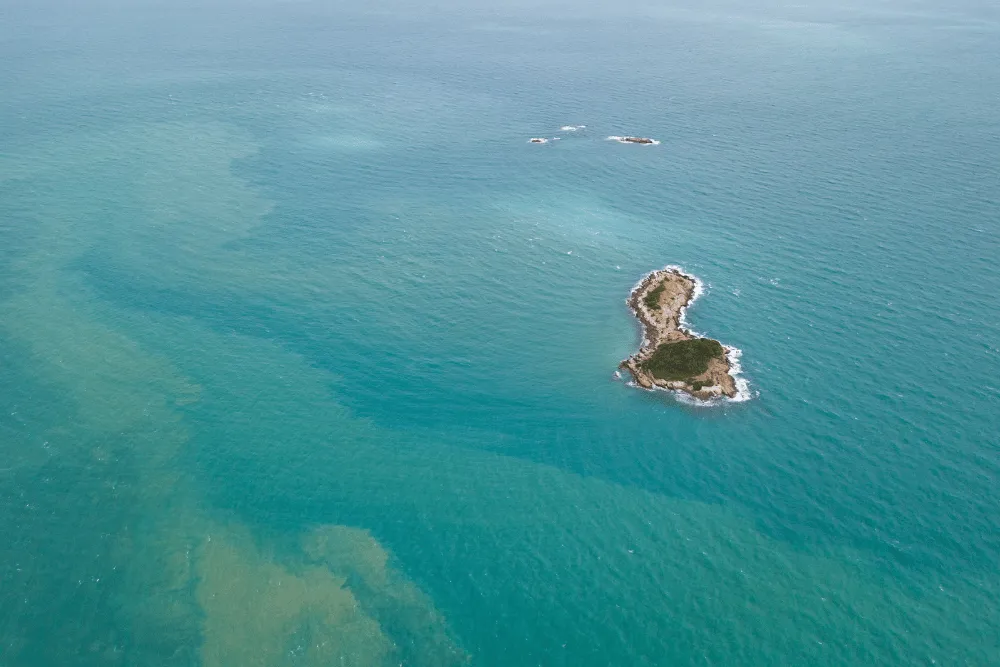
Snorkelling & Island HoppingLongtail and speedboat trips run from the main piers out to the clear water and coral reefs around Ko Kudi, Ko Thalu and the neighbouring rock islets — an easy half-day escape from the beach.
Na Dan Pier & the Fishing VillageSamet’s main arrival point still functions as a working pier, with a small village of noodle shops, tailors and convenience stores giving a glimpse of everyday island life alongside the holiday crowds.
Fresh Seafood by the SeaBeachfront restaurants up and down the island grill the day’s catch to order — whole fish, tiger prawns and squid — best enjoyed barefoot in the sand as the tide comes in.
Long before it appeared on any traveller’s map, Ko Samet was a modest fishing outpost off the coast of Rayong, prized locally for the fragrant samet trees that gave the island its name and once supplied wood for boat-building and lamp oil. Its first brush with fame came in the early nineteenth century, when the poet Sunthorn Phu — Thailand’s Shakespeare — set part of his epic Phra Aphai Mani on its shores, describing the island under its old name, Ko Kaew Phitsadan. The statues of a mermaid and a sea giant that still stand on Hat Sai Kaew commemorate that story and draw visitors to this day.
Ko Samet’s natural beauty was formally recognised on 1 October 1981, when the Thai government declared it and its surrounding waters part of the Khao Laem Ya–Mu Ko Samet National Park, protecting its beaches, forest and coral reefs from further development. What began as a quiet backpacker hideaway through the 1980s and 90s has since grown into an easy, breezy island escape for Bangkok residents and travellers alike, prized precisely because it remains so close and yet feels so far away.
Today, Ko Samet balances its protected status with a relaxed island rhythm: beach bars and family-run resorts sit within a national park, songthaews trundle along sandy tracks, and the mermaid still watches over Hat Sai Kaew as she has for two centuries.
The gateway to Ko Samet is Ban Phe, a small port town roughly 200 kilometres — about two and a half to three hours — southeast of Bangkok, reached by private car, minivan, or bus from Bangkok’s Eastern (Ekkamai) Bus Terminal. From Ban Phe’s piers, regular ferries make the crossing to Na Dan pier on Ko Samet in around 30-40 minutes, while speedboats cover the same route in 15-20 minutes for a higher fare and can drop guests directly at their resort’s own beach. A national park entrance fee of 200 baht is collected on arrival and is valid for the length of the stay. For a faster and more comfortable journey, Discovery’s travel designers can arrange private car transfers from Bangkok or the airport straight through to a speedboat pier, cutting out the wait entirely.
Ko Samet has no real road network to speak of, so getting around is refreshingly simple. Songthaews (shared pickup trucks) meet arriving ferries and speedboats and run guests to their resort along the island’s sandy tracks, with fares fixed by distance and negotiable for a private ride. For more independence, motorbike and scooter rental is widely available near Na Dan pier and Hat Sai Kaew, while golf carts offer an easier option for those less confident on two wheels. Many of the northern beaches — Hat Sai Kaew, Ao Hin Khok, Ao Phai — are close enough to reach comfortably on foot along the coastal paths that link one cove to the next. For trips further afield, or across to Ao Prao on the quieter west coast, a songthaew or hired motorbike is the easiest way to cover the distance.
Interested in festivals? read more about festivals in Thailand.

Journey Examples
Thailand / Essential Information
- Visas and border crossings
- Country facts and figures
- Language and culture
- Security
- Money
- Mobiles and the Internet
- Travel to and around Thailand
- And more
THAILAND JOURNALS
Insights and inspiration for travel designers and discerning travellers planning a journey through the Thailand.
- Discover Thailand’s Historic Waterways: Luxurious Private Charter from Bangkok to Ayutthaya
- The November Question: Where in Thailand to Send Clients for the High Season
- Best Time to Visit Thailand: A Guide to Weather, Events, and Experiences
- The Mandarin Effect: Bangkok After the Bamboo Bar
- Rejuvenate in Paradise: Thailand’s Most Exclusive Wellness Escapes
- Mike White’s Thailand: The Trip the Show Should Have Taken