
By the second half of May every year, the high-season Thailand brief lands in the office every other day. The wording varies — milestone anniversary, three-generation family, return clients who want something different — but the underlying question is the same. Where do we put them in November, December, and into January, when the weather is at its best and the trade has not yet started compressing.
The honest answer is that Thailand has become three booking decisions, not one, and the right combination depends on what the client has already done and what pace they want.
The south
The default move is still the south. The dry-season window for Phuket and the Andaman opens reliably from mid-November and holds through to April. The Gulf coast — Koh Samui, Koh Pha Ngan, Koh Tao — runs on a different calendar and is at its best between late February and September. Sending a client to Samui in late November on the assumption that “south is south” remains one of the most expensive mistakes the trade makes in this country. The east monsoon does not honour the brochure.
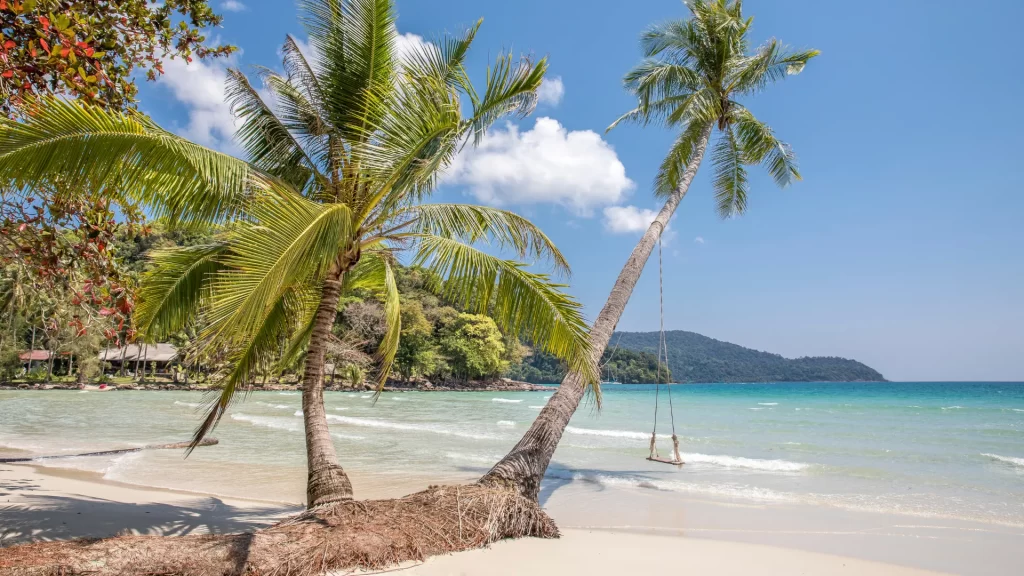
For clients who want the south at its best, our pick this year is not Phuket and not Samui. It is Koh Kood, the island closest to the Cambodian border, four hours from Bangkok and roughly two hours of that on a boat. Soneva Kiri remains the anchor; Six Senses Kood opened in late 2024 and has held its reviews. The case for Kood over the more obvious south islands is straightforward — the development is capped, the coastline is largely undeveloped beyond the resort enclaves, and the client who has been to Phuket and Samui finds something on Kood that has not yet become what those islands became.
The trade-off is real. Kood is further to reach, has fewer dining options outside the hotels, and the rainy season runs longer than on the Andaman. For a five-night beach close after an eight-night cultural opening, none of those things matter. For a fortnight planted entirely on a beach, Krabi or Phuket may still be the right call.
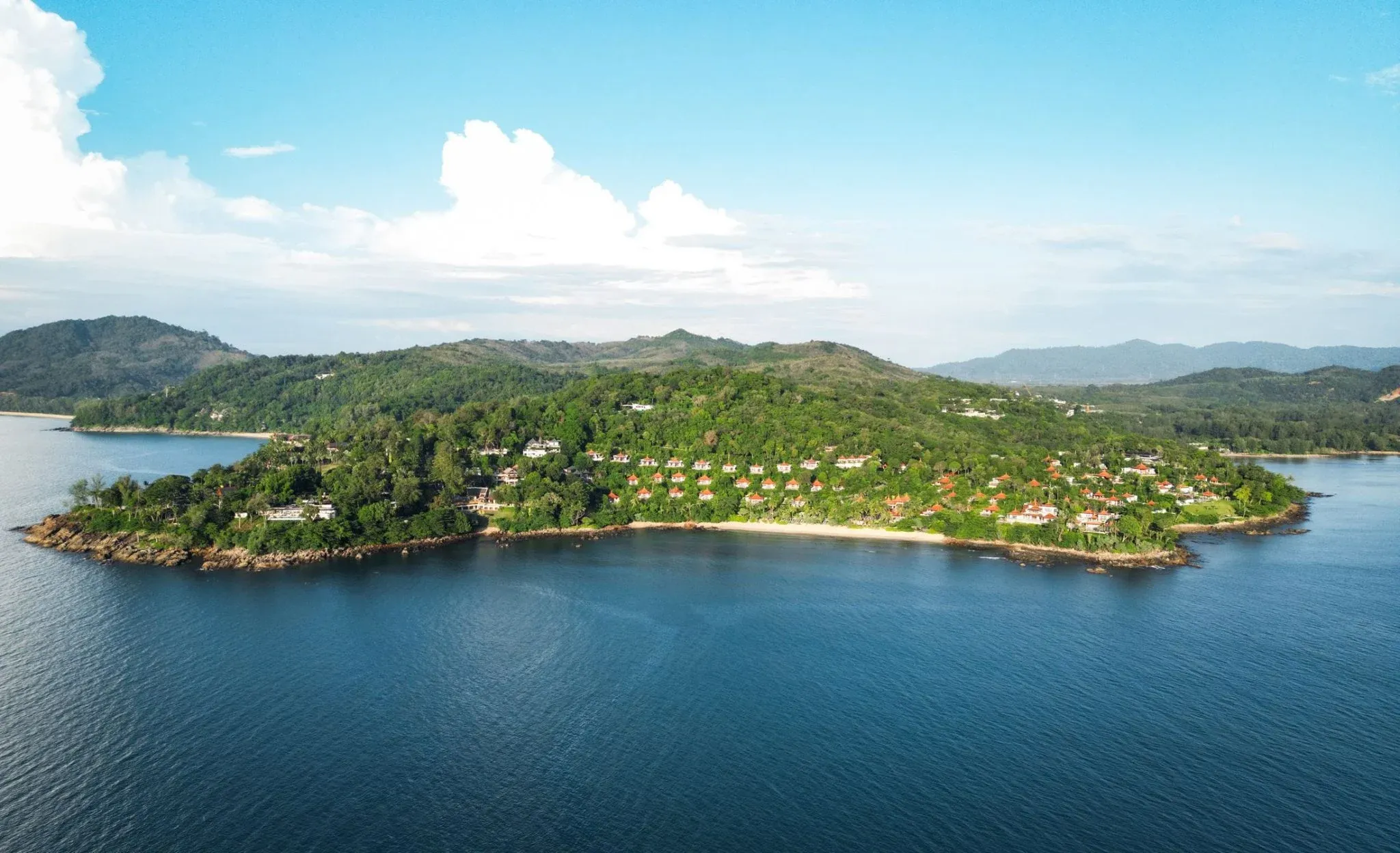
If Phuket is the right call, the question is which beach. The west coast strip from Patong south has become a sequence of brand exercises. The honourable exceptions are Trisara on the northwest tip and Six Senses Yao Noi across the bay — not on Phuket itself, but the most peaceful option in the Andaman corridor.
The north
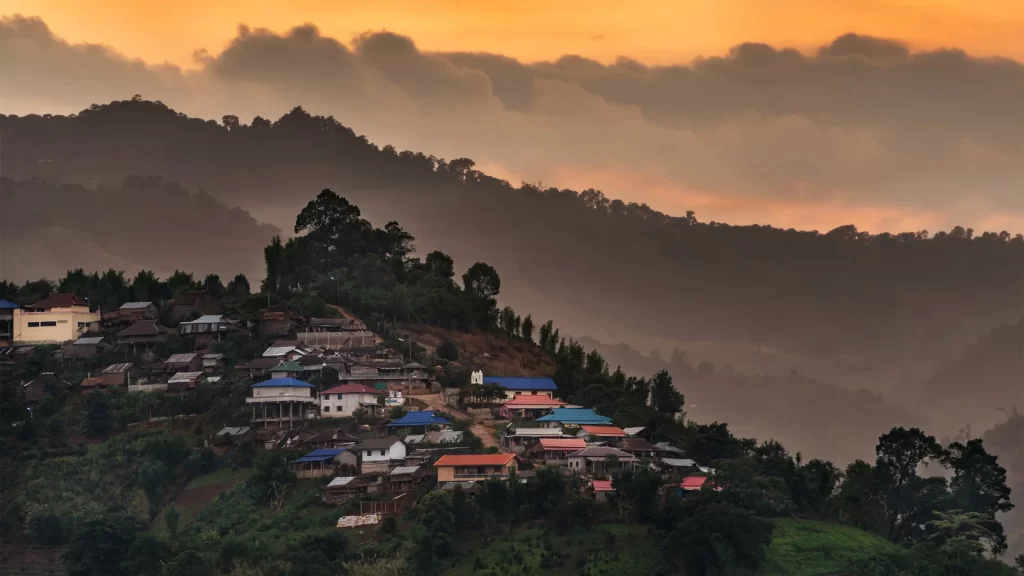
The other default is Chiang Mai. For a returning client, our pick is no longer Chiang Mai. It is Chiang Rai, two hours further north, where the Akha and Lahu hill communities still anchor the genuine cultural product and the elephant-camp landscape has been sorted into a smaller set of operators we are willing to work with. Anantara Golden Triangle remains a strong opening property; Four Seasons Tented Camp closed permanently in 2024 and the gap it left has not been refilled. The hillside villas at Phu Chaisai, run by the family who built it, are the better choice for clients who want the rural rather than the resort register.
Chiang Mai is not over. For a first-time client, Chiang Mai is still the easier entry — the airport works, the city has the food and the temples in a tighter footprint, and our half-day with Khun Anchalee around the old city ranks in our top five experiences in the country. For the return client, the north has more to offer than another night at the same five-star.
The bookends
Two operational notes that decide more proposals than advisors realise.
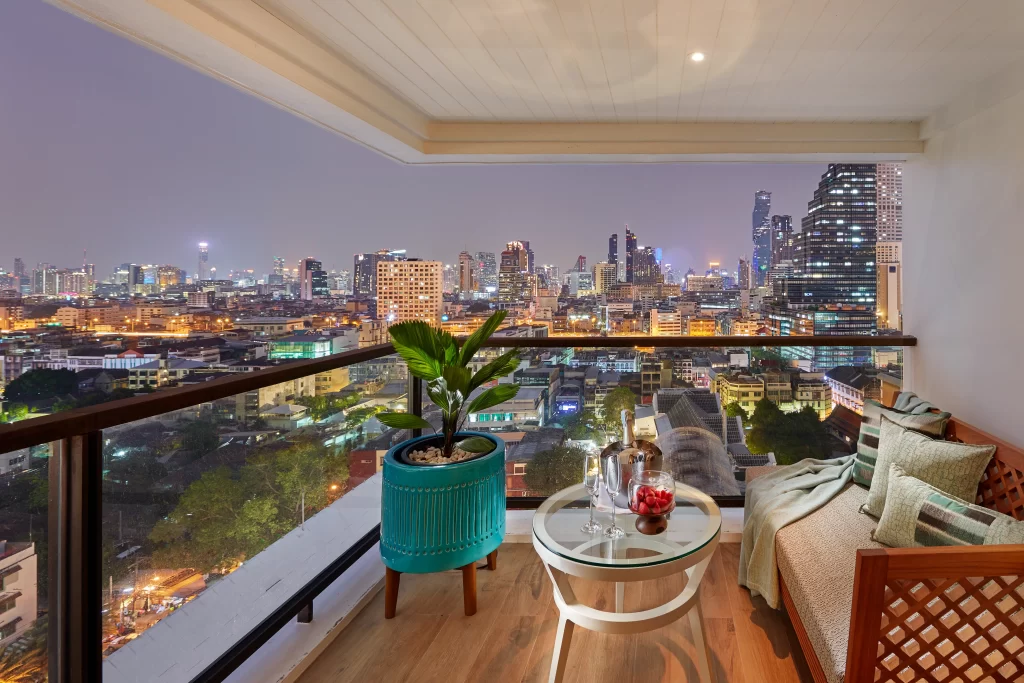
Bangkok first or last. The default is first; our case for last is straightforward. Clients who arrive after a long-haul flight and immediately face Bangkok’s intensity often arrive at their beach in a different mental state than the one we want them to. Two nights at the Mandarin Oriental or the Capella to close a trip work harder than two nights to open it. For three-generation families, we still open in Bangkok — the city is easier with the structure of an early arrival — but the question is worth asking on every brief.
The booking-by dates. Soneva Kiri’s December villas are typically gone by mid-July. The pool suites at Aman Sukhothai are usually committed by August for the Christmas window. Trisara’s beachfront pool villas typically have one to two weeks of availability across November and December by the end of the southwest monsoon, which closes in October. Send the brief now, not in September.
Contact us: sales@discoverydmc.com
Explore Our Thailand Tours
DISCOVER MORE – The Mergui Crossing: Wa Ale, Awei Pila, and the Door Through Ranong



Comments are closed.