
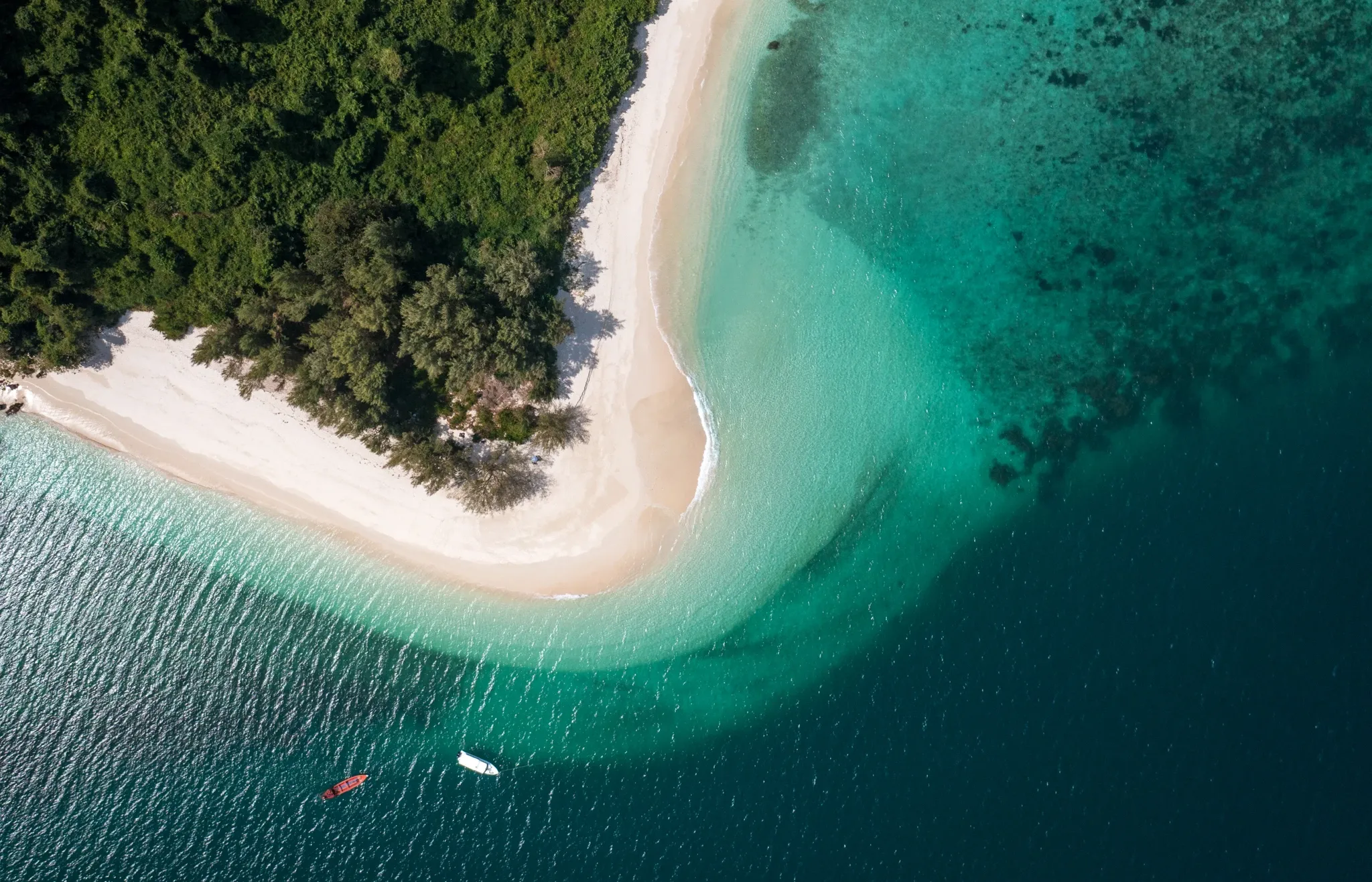
Mergui deserves a proper introduction: eight hundred jungle-draped islands scattered across the Andaman, ringed by reefs that still feel genuinely wild. It is the rare Southeast Asian sea-escape where the headline is not a built environment but an empty horizon — quiet anchorages, untouched beaches, and dive sites that have escaped the pressure that reshaped the region’s better-known archipelagos. For clients who want privacy, nature, and a sense of discovery without sacrificing comfort, Mergui is the closest thing to a “first time” again.
The single most useful thing an advisor can know about Mergui is that the access route runs from Thailand, not from inside Myanmar.
The eight-hundred islands of the Mergui Archipelago — Myeik, in modern Burmese — lie off the southern tip of Tanintharyi Region in southern Myanmar. The two resorts open to foreign guests each sit on their own private island within Myanmar’s territorial waters. Wa Ale occupies a 9,000-acre island inside Lampi Marine National Park, in the southern reach of the archipelago. Awei Pila sits on Pila Island (Kyun Pila in Burmese), roughly fifty nautical miles off the Kawthaung shoreline and well to the north of Lampi — its own private island, with its own beaches, virgin forest, and house reef, but operationally and ecologically distinct from the national park.
In practice, the access route Discovery uses for ninety-five percent of bookings is built around Thailand. Clients either fly direct from Bangkok Don Mueang (DMK) into Ranong with Thai AirAsia — a daily service most advisors do not realise runs, flight time around one hour fifteen minutes, currently at least two departures a day — or they drive overland from Phuket airport (about three and a half hours up the west coast), or they thread Ranong into a wider Andaman-coast itinerary alongside Khao Lak or Khao Sok. For clients who want to arrive on their own schedule, we also arrange private aviation: private jet charter from Bangkok directly into Ranong airport, helicopter transfer from Phuket, or helicopter pick-up from Khao Lak, Phang Nga, or another south-Thailand starting point, landing at the helipad at Ranong airport. There is no helipad at the pier itself — Ranong airport is the closest authorised landing point — but it is a short transfer onward to the river. From Ranong it is a fifteen-minute longtail crossing of the Pakchan estuary to Kawthaung, and then by speedboat to the island.
The Myanmar entry is at the Kawthaung crossing. Once cleared, the route runs by sea through the islands themselves — a long speedboat passage in the case of Wa Ale, deep into the southern archipelago — and the political reality of inland Myanmar plays no part in the journey. For an advisor’s client who is curious about Myanmar but unwilling to commit to a full country routing, the Mergui crossing is the cleanest entry point: a Myanmar e-visa applied for online in advance, a brief transit through Kawthaung, a Myanmar stamp in the passport, and three to seven nights on two of the most under-built private-island resorts in Asia.
A note on the visa
The Myanmar tourist e-visa is applied for online at evisa.moip.gov.mm before travel — typically issued within three working days, often faster, USD 50, single entry. Kawthaung International Land Border Checkpoint is one of the four authorised e-visa entry points (alongside Yangon, Mandalay, and Nay Pyi Taw airports). The applicant selects Kawthaung as the port of entry at the time of application and presents a printed copy of the approval letter at the crossing. Visa-on-arrival is not the route for Mergui clients — the e-visa is the correct mechanism, and Discovery’s Mergui desk handles the pre-clearance paperwork as standard.
The geography
The Mergui has its own character, and it pays not to oversell the comparisons. The islands are not flat coral atolls in the Maldivian sense — they are granite and limestone, often hilly, with forested interiors that come right down to the waterline. Some are ringed by white sand; others by mangrove. The water is clear, the bays are calm, and the coral is rich. What sets Mergui apart in the region is not a single geographical feature but the combination — eight hundred islands, most of them uninhabited, almost none of them built on, and a tourism footprint so small it is effectively invisible from the deck of the speedboat.
The waters around the archipelago are not pristine in the absolute sense — illegal trawling has been a real and persistent problem in this part of the Andaman, and the resorts and their conservation partners work against it actively. What the archipelago does still have, in a way the rest of the region largely does not, is intact reefs at the named dive sites, intact forest on most of the islands, and an almost complete absence of competing tourist traffic.
Lampi Marine National Park, designated an ASEAN Marine Heritage site, covers the southern section of the archipelago where Wa Ale sits and protects more than twenty mammal species and over two hundred bird species. Slow loris, pangolin, forest cats, three species of monkey; hornbills, white-bellied sea eagles, kingfishers. The Moken — the maritime people who have lived among these islands for centuries — still operate small fishing settlements at Ma Kyone Galet and Salet Galet, both of which Wa Ale’s Lampi Foundation works with through school repairs, medical supplies, and joint beach clean-ups.
World-class diving
The diving is the second reason Mergui clients come back, and the strongest single argument for sending a client here over almost anywhere else in Asia. The macro-life is the rarest in Southeast Asia: frogfish, candy crabs, ornate ghost pipefish, ribbon eels — the species wildlife photographers travel specifically for and that the rest of the Andaman has mostly lost to fishing pressure and boat traffic. The bigger sightings — manta rays, eagle rays, whale sharks, grey reef sharks — are seasonal and reliable. The named sites are Shark Cave, Western Rocky, North Twin, Black Rock, and Burma Banks; serious divers know these names. The reef walls are wall-dives in the Indo-Pacific sense — vertical, current-fed, full of life on the rim. Both resorts run PADI-certified dive operations directly.
The season is narrow. Both resorts close for the southwest monsoon, with reopening dates that vary by year — November is the safe earliest assumption, end of April the safe latest. Water clarity is at its best from December through March; manta and whale shark sightings peak February to March.
Wa Ale Island Resort — the headline of the archipelago
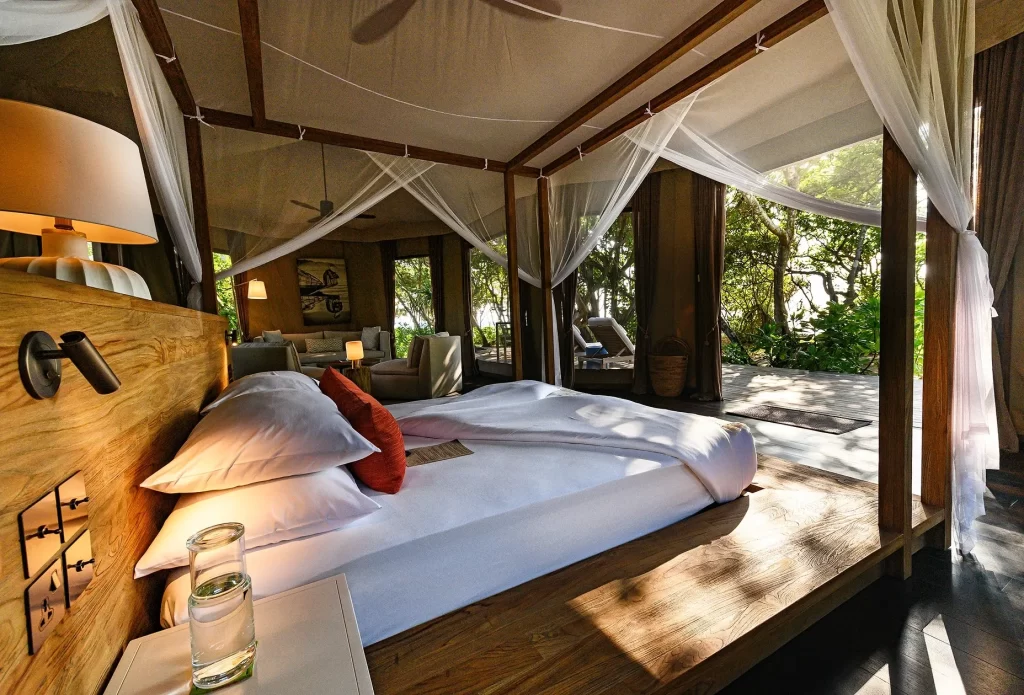
Wa Ale is the placement of choice in Mergui, and the reason most senior advisors send the brief at all. The product is the island itself: nine thousand acres of forest, reef, and beach inside Lampi Marine National Park, one resort on it, fourteen rooms in the main resort, and no other guests anywhere on the perimeter — no other lights at night, no other boats at the jetty, no other footprints on Honeymoon Beach in the morning. The Mergui crossing buys an advisor’s client more genuine privacy than any Maldives charter and most superyacht weeks.
The accommodation is barefoot luxury at the design end of the category. Eleven Tented Beach Villas on a one-kilometre stretch of Turtle Beach, three Treetop Villas in the forest canopy behind. The architecture is the property’s defining feature — built from reclaimed wood and local river stone, with no tree removed during construction, and a result that is design-led rather than rustic. The Tented Beach Villas are roughly 140 square metres each, large enough for couples or for small families with capacity for up to four (two adults plus two children aged eight and above), with high ceilings, generous indoor-outdoor bathrooms, and full sea ventilation by ceiling fan in place of conventional air-conditioning. The minimum age at the main resort is eight.
Wa Ale has also added a separate Beach House and Beach Bungalows cluster about ten minutes by boat from the main resort, designed for families with younger children and for small group buy-outs — children of all ages are welcome at this cluster. Country desk to confirm current 2026/27 unit count, configuration, and rate structure for this cluster before publish.
Senior advisors who place at Aman, Soneva, Bawah Reserve, and the smaller Six Senses outposts know the register. The clients we send to Wa Ale tend to be the WOW List clients, the Traveller Made tier, the advisor’s most-considered placement — guests who measure luxury by privacy, design, and how lightly the property sits on the place. This is the property for the client who has done the Maldives, done Bawah, done Phinda, and is asking what the next private-island product in Asia looks like.
Cuisine is consistently the surprise. The kitchen runs a Southeast Asian–Mediterranean menu from the resort’s organic garden and the morning’s local catch, served between the main pavilion and the river café — the latter clad in colourful wooden windows and shutters salvaged from more than a hundred old Burmese houses. The two beaches — Turtle Beach (the protected nesting site, where the Lampi Foundation hatchery has released over four thousand baby sea turtles since launch) and Honeymoon Beach (a kilometre of empty sand) — are the property’s public spaces; everything else is private.
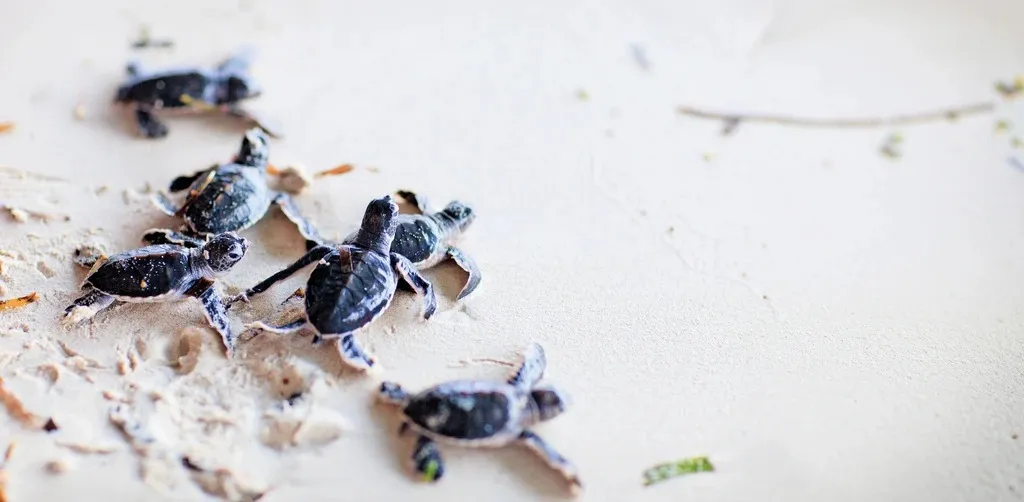
The conservation programme is meaningful and visible. Twenty percent of annual profits plus two percent of room revenue go directly into the Lampi Foundation — sea-turtle nest protection, coral sea-mooring installation to remove anchor damage, school and clinic support in the Moken villages. For the responsible-travel-minded client, this is the resort where the conservation case can be made on receipts, not in marketing copy.
Wa Ale is, on every measure that matters to the senior brief — privacy, architecture, conservation footprint, the quality of the island itself — the superior product in the archipelago. It is the one we lead with.
Awei Pila — the comfort-led alternative
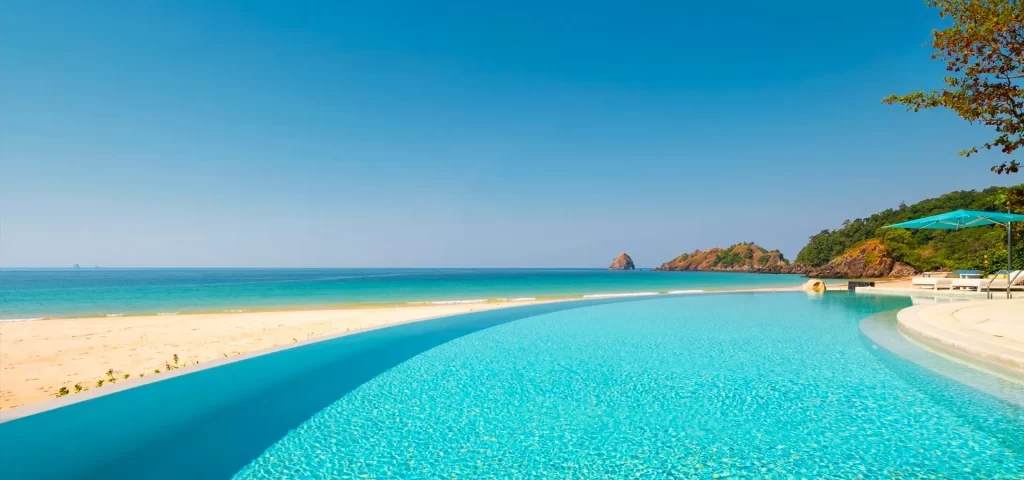
Awei Pila is the second resort in the archipelago, on its own private island north of Lampi, and serves a different commercial brief. Twenty-four tented villas in two categories — Beachfront and Seabreeze — fronting a 600-metre crescent of white sand on Pila’s northern bay, all air-conditioned, all with private decks. The architecture is yurt-derived, with timber frames and duck-cotton fabric walls.
The product is more conventional than Wa Ale’s: an infinity pool by the main pavilion, full air-conditioning, in-villa Wi-Fi, a beach restaurant, a spa, and a more familiar luxury-tropical register. Cuisine is again local-led — daily-changing menus from the morning’s catch and the kitchen garden — in a beach restaurant that opens straight onto the bay.
Awei Pila operates on shared speedboat transfers from Kawthaung pier (approximately two hours, fifty nautical miles), departing daily on a fixed schedule, and on a fixed seasonal calendar, typically closed June through September.
Awei Pila does not pretend to compete with Wa Ale, and does not need to. It is the placement for the client who wants the Mergui geography — the diving, the empty islands, the Moken-village proximity — without committing to the discipline that Wa Ale asks for.
Which one for which client
Wa Ale is the placement for the senior advisor’s most-considered client: design-conscious, private-island-seeking, content with the deliberate absence of standard luxury-resort amenities (no pool at the main resort, no air-conditioning in the villas, no in-villa Wi-Fi). The 9,000-acre island, the fourteen-room count, the Lampi setting, and the conservation footprint are the product, and no other Asian private-island placement currently matches them. This is the lead.
Awei Pila is the placement for the client who wants the archipelago but wants pool, air-conditioning, Wi-Fi, and the more familiar comfort register. For some advisors this is the better commercial fit for the brief; for others it is the placement that doesn’t quite reach.
A small number of our most experienced Mergui clients book three or four nights at each. The two islands sit at opposite ends of the southern archipelago, and the inter-island speedboat transfer takes around two to two and a half hours. The contrast between the two properties is the trip’s editorial pivot. Discovery’s Mergui desk arranges the inter-island leg directly with both resorts.
How it fits into a Thailand routing
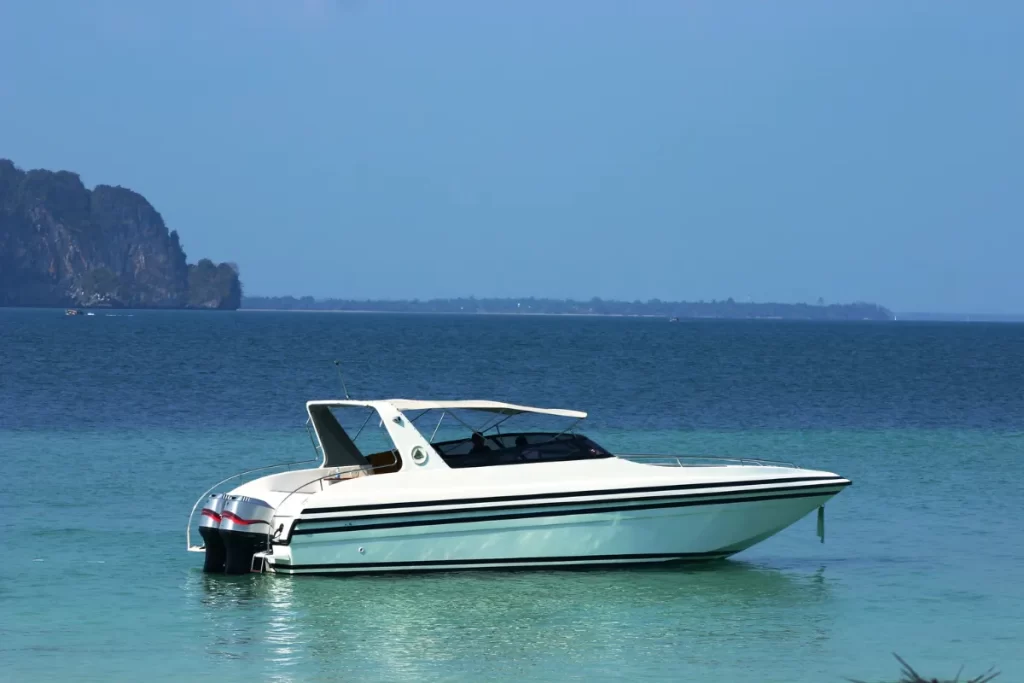
The cleanest Thailand–Mergui weave is to open with two to three nights in Bangkok, fly south to Phuket, drive three and a half hours up the coast to Ranong, cross to Kawthaung the next morning, and continue by speedboat to the island. Three to five nights on the island. Reverse the route on the way out. If the inbound timing slips, the natural overnight is Aleenta Phuket-Phang Nga or one of the Khao Lak boutique properties. Thailand desk to confirm current preferred Khao Lak overnight before publish.
Alternative routing for the price-aware brief: open in Bangkok and fly direct from Don Mueang (DMK) to Ranong with Thai AirAsia — daily, around one hour fifteen, currently at least two departures a day — then cross to Kawthaung the same day or the next morning and board the speedboat. This route saves the Phuket drive and shortens the trip by a working day at each end.
For the top of the brief, the private-aviation routings are the cleanest of all. Private jet from Bangkok into Ranong airport (a roughly one-hour flight, no Don Mueang queue, departure on the client’s own schedule) is the simplest option and the one we recommend first for the WOW List brief. Helicopter from Phuket airport into Ranong airport is the alternative if the client is opening in Phuket — flight time around an hour and a half — and we can also arrange a helicopter pick-up from Khao Lak, the Phang Nga coast, or another south-Thailand starting point. The helipad at Ranong airport is the landing point in every case; from there it is a short road transfer to the pier and the longtail crossing. Helicopter charter through to the islands themselves is not an option — there is no helipad at either resort, and the final leg is by speedboat regardless.
Mergui also extends well into a wider Asia trip. It pairs naturally with a Vietnam opener built around Hanoi and Ha Long Bay, with a Sri Lanka south-coast stretch, or with a Cambodia routing through Siem Reap and Phnom Penh. For agents already selling Discovery elsewhere in the region, Mergui slots in as the Andaman beach leg without needing a separate operator on the ground — which is part of why we lead with it.
The Myanmar door
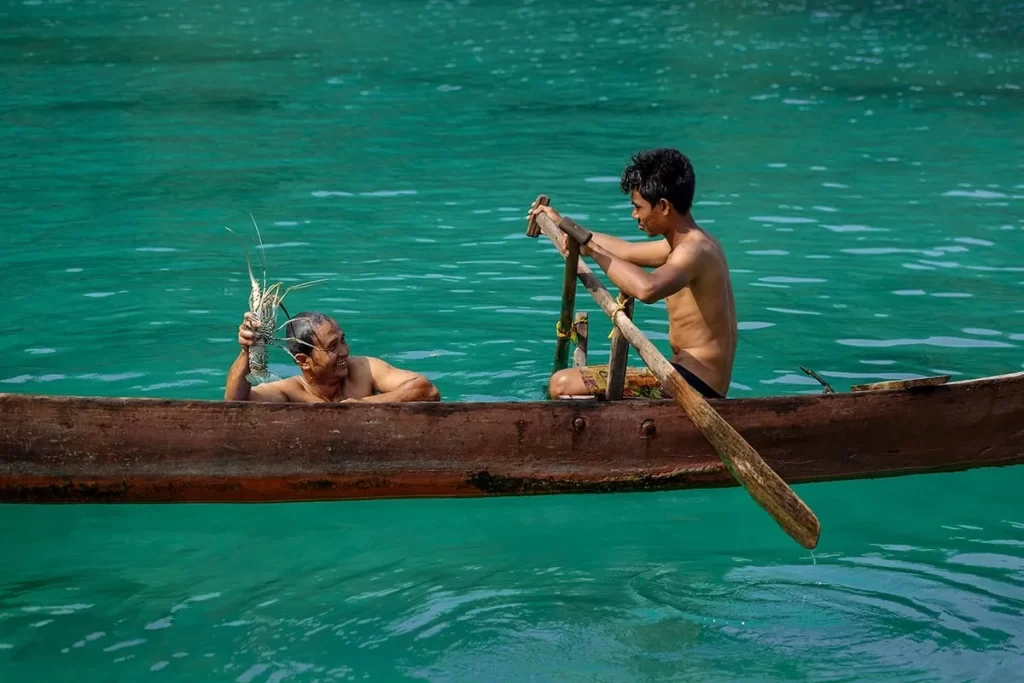
We are deliberate about this. The Mergui crossing is the single Myanmar entry-point Discovery is willing to recommend without conditions to any client at any time. It is operationally short, procedurally straightforward, and the journey itself runs through the archipelago — through the islands and over the water — rather than through any inland part of the country. For the responsible-travel-minded client, that distinction matters, and it is the reason we are comfortable selling Mergui on a routine basis.
For the client who books Mergui and asks, on departure, what a fuller Myanmar trip would look like — the answer is then routable on a separate brief, against our country position on what Discovery will and will not sell in Myanmar in 2026.
Most clients who go to Mergui don’t ask. The point of the spoke is that the island is the trip.
Mergui season opens November 2026. Wa Ale’s Tented Beach Villas and Awei Pila’s Beachfront category are usually committed for the December–March window by the end of July. Send dates and party composition by mid-July if the brief is firm.
The Discovery Mergui desk works directly with both properties on transfer logistics, e-visa pre-clearance, Ranong-side accommodation if the inbound timing requires an overnight, and private aviation through to Ranong airport.
Contact us: sales@discoverydmc.com
Explore Our Myanmar Tours
DISCOVER MORE – Mike White’s Thailand: The Trip the Show Should Have Taken


Comments are closed.