
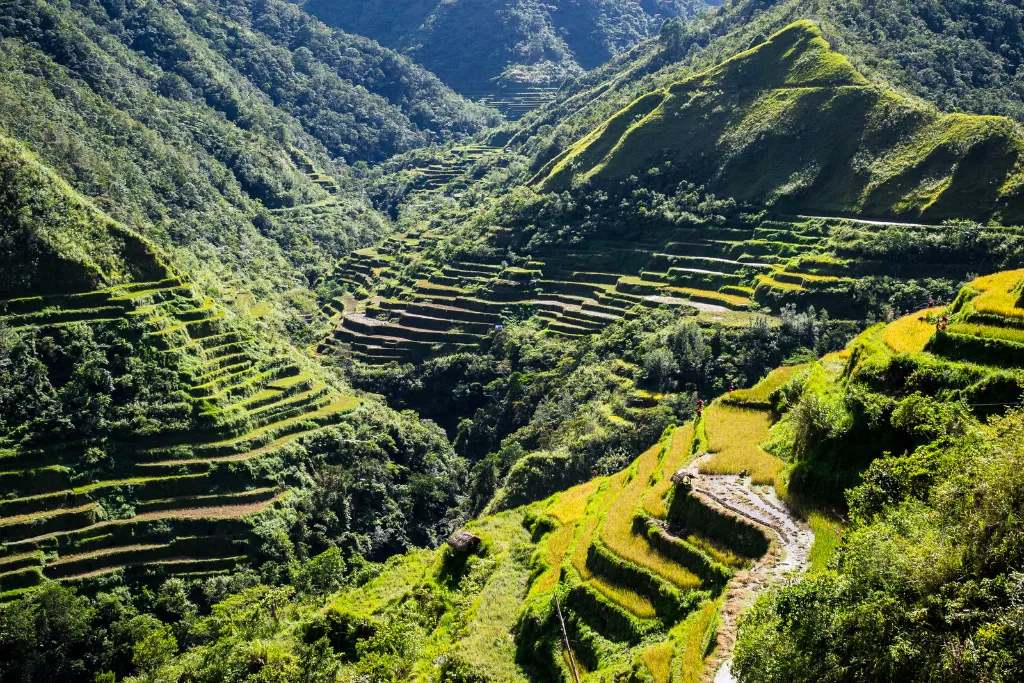
What if the true cultural heart of the Philippine archipelago remains completely invisible along its world-famous resort beaches? For travelers seeking authentic philippines local culture experiences tourist wouldn’t know, looking past commercialized folklore shows reveals a living tapestry of sacred traditions. You’ve likely felt the quiet frustration of staged cultural displays or the hesitation that comes with entering remote ancestral domains without understanding proper tribal etiquette; complex inter-island logistics only make these sacred enclaves harder to reach. This guide illuminates how to experience the country’s deepest heritage with elegance, reverence, and ethical integrity. You’ll discover endangered culinary legacies like Bohol’s ancestral saltmaking, learn the customary protocols required to honor indigenous elders, and see how bespoke Culture & Heritage Journeys unlock privileged access beyond mass tourism routes. Here is your definitive blueprint to encountering living Philippine traditions as an invited guest rather than an outsider.
Key Takeaways
- Uncover how living spiritual traditions endure through sacred dreamweaving and ancient oral epics far beyond standard resort corridors.
- Explore critically endangered culinary practices, from centuries-old preservation techniques to rare artisanal sea salt craftsmanship protected by heritage families.
- Master the customary protocols and community approvals required to navigate authentic philippines local culture experiences tourist wouldn’t know with genuine reverence for indigenous sovereignty.
- Discover how bespoke Culture & Heritage Journeys resolve complex island geography to orchestrate meaningful, private encounters with tribal elders and master artisans.
Table of Contents
- Decoding the Archipelago: Why Authentic Philippine Culture Eludes Casual Travelers
- Rare Living Traditions and Sacred Rituals Tourists Never Witness
- Ancestral Gastronomy: Endangered Flavors and Traditional Food Preservation
- How to Experience Sacred Philippine Traditions Respectfully
- Curating Seamless Heritage Journeys: The Role of Expert Ground Architecture
Decoding the Archipelago: Why Authentic Philippine Culture Eludes Casual Travelers
Mainstream travel promotions frequently reduce the Philippine archipelago to sun-drenched sandbars and Spanish colonial fortresses in Manila. This postcard framing sidelines an ancient reality: an expansive maritime network comprising over 180 ethnolinguistic groups, each preserving distinct cosmologies, customary arts, and ancestral territories. Understanding the living traditions of the indigenous peoples of the Philippines requires leaving the resort perimeter. For discerning guests, uncovering authentic philippines local culture experiences tourist wouldn’t know requires shifting perspective entirely, replacing voyeuristic sightseeing with meaningful cultural engagement.
Transcending the Beach Resort Narrative
Sun-and-sea marketing flattens archipelagic nuance. Across 7,641 islands, inland mountain ranges and secluded maritime channels have fostered distinct micro-cultures that resisted modern homogenization. Mass tourism rarely reaches these sacred terrains, prioritizing convenience over depth. True immersion demands entering ancestral domains where communal life centers on customary law rather than visitor entertainment. Orchestrating such encounters reflects the thoughtful curation seen across bespoke luxury heritage travel southeast asia, ensuring cultural integrity remains paramount while guests experience authentic regional hospitality.
The Layered Tapestry: Pre-Colonial, Islamic, and Highland Traditions
Centuries before European contact, sophisticated maritime trade networks and southern sultanates thrived across Mindanao and the Sulu archipelago, maintaining deep commercial and spiritual ties with neighboring Asian realms. Concurrently, highland civilizations across the northern Cordillera mountain range defended their ancestral land, preserving animist rituals, oral epics, and sacred backstrap weaving through three centuries of foreign colonization. Encountering authentic philippines local culture experiences tourist wouldn’t know means moving past polished monuments to connect directly with these enduring practices. These living traditions thrive not as archived curiosities, but as vibrant community expressions guarded by tribal custodians, master craftsmen, and cultural elders.
Rare Living Traditions and Sacred Rituals Tourists Never Witness
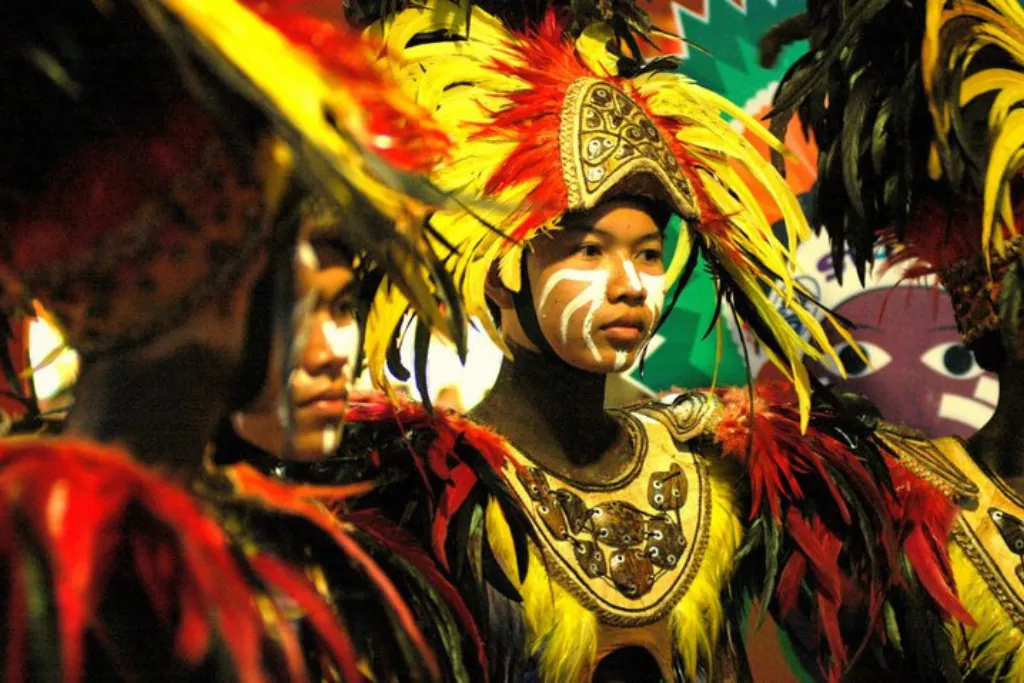
Behind the public spectacles of street fiestas lies a realm of quiet, sacred practices passed down through family lineages. These private expressions are not performed for crowds. They exist as vital duties that link contemporary communities with ancestral realms. For travelers seeking authentic philippines local culture experiences tourist wouldn’t know, discovering these living customs requires moving past commercial venues into spaces where ritual remains an essential way of life.
Sacred Textiles and the Spirit World of Dreamweaving
In the southern highlands of Mindanao, T’boli women weave t’nalak cloth from fine abaca fibers. These patterns are not drawn or sketched; rather, the spirit Fu Dalu bestows the intricate geometric compositions upon master weavers during their dreams. Harvesting natural vegetal dyes and stringing the backstrap loom involves spiritual taboos that can take months to fulfill. Observing a T’boli dreamweaver at work reveals an intimate cosmology woven directly into fiber, far removed from the mass-produced souvenirs found in city markets.
Ancient Soundscapes: The Resonance of Kulintang and Agro-Rituals
Sacred resonance guides daily agricultural life in the high Cordilleras and across the southern sultanates:
- Kulintang Gong Ensembles: In Maguindanao and Maranao communities, graduated bossed gongs create melodic soundscapes originally played to communicate with spiritual guardians and celebrate ancestral lineages.
- Sacred Chanting: High in the northern terraces, women sing the UNESCO-inscribed Hudhud chants during rice sowing and harvest, ensuring communal balance through ancestral memory.
- Agricultural Rites: Ritual elders conduct animist invocations across planting cycles, treating the landscape as a living, sacred entity rather than a photographic backdrop.
Traditional Healing Practices and Botanical Lore
Village medicine remains deeply respected across remote island communities. Hereditary healers, or manghihilot, blend botanical extracts with ancient spiritual diagnostics to restore somatic balance. Their intricate knowledge of rainforest pharmacopeia has survived outside institutional wellness clinics. Exploring these holistic perspectives provides travelers with profound insight into the archipelagic philosophy of well-being, an element thoughtfully detailed in curated dispatches on the Discovery DMC travel journal. Witnessing such ceremonies requires delicate access. Gaining entry to these authentic philippines local culture experiences tourist wouldn’t know relies on established community trust, ensuring that ancient spiritual protocols are honored with quiet dignity.
Ancestral Gastronomy: Endangered Flavors and Traditional Food Preservation
Philippine culinary identity extends far beyond casual street food and fast-casual staples. Millennia of archipelagic geography required intricate preservation techniques, transforming perishable harvests into complex seasoning profiles. Today, these ancient methods face imminent loss as industrial shortcuts replace laborious heirloom crafts. For gastronomes searching for authentic philippines local culture experiences tourist wouldn’t know, discovering these threatened pantry foundations reveals a sophisticated culinary history rooted in ancestral knowledge.
Endangered Artisanal Salt Crafting and Native Seasonings
In Bohol’s coastal enclaves, master asinderos produce Asin Tibuok, an extraordinary pre-colonial sea salt dome shaped like an egg. Crafting it requires soaking coconut husks in seawater for months, burning them into concentrated ash, filtering seawater through that ash bed, and slowly baking the resulting brine inside clay pots over open flame pits. According to the Ark of Taste documentation of Asin Tibuok, this rare process narrowly avoided extinction before legal protections under the Philippine Salt Industry Development Act (RA 11985) helped shield ancestral, non-iodized saltmaking. Pairing this with wild saps, like nipa palm vinegar fermented with mangrove bark, yields an earthy, complex acidity absent from commercial manufacturing.
Ancestral Preservation: Underground Smoking and Earthenware Cooking
Highland communities developed distinct preservation systems to survive mountain winters:
- Etag Curing: In Sagada, pork cuts undergo salt-curing before being hung in earthen hearth rooms, absorbing fragrant smoke from native pine and wild aromatics over several months.
- Palayok Simmering: Unglazed earthenware vessels distribute heat gently, drawing delicate earthy minerals into forest-foraged broths infused with wild ginger and souring leaves.
- Bamboo Tube Steaming: Known as nilat-an or binakle, highland grains and meats slow-steam inside green bamboo segments over riverbed embers, sealing in natural juices and subtle forest fragrances.
Private Estate Dining: Tasting Multi-Generational Lineages
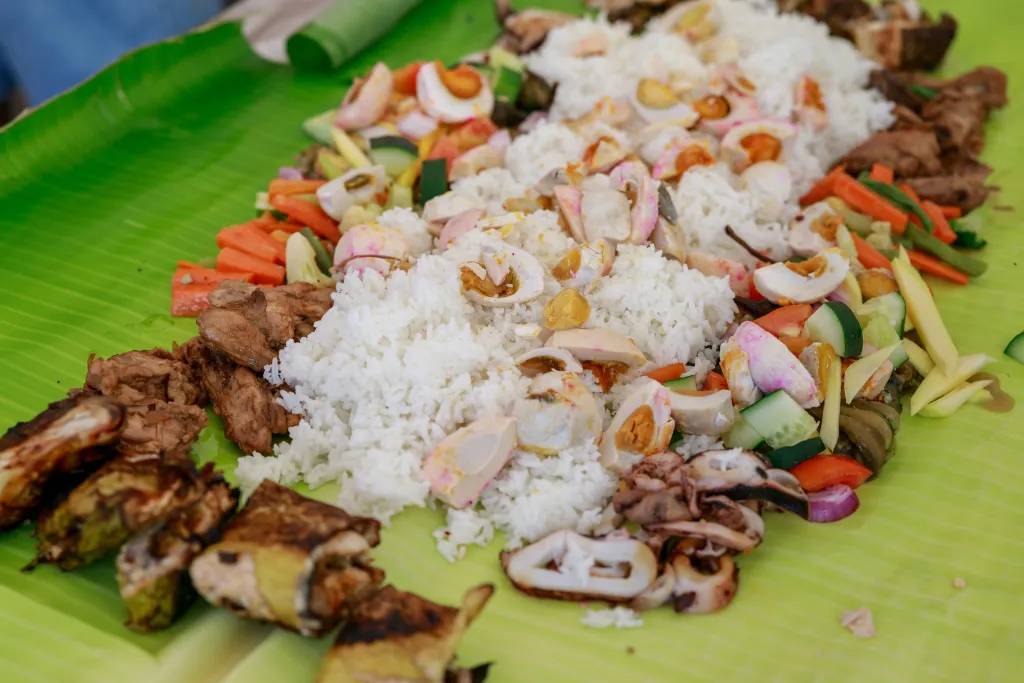
Experiencing these culinary legacies requires stepping inside private ancestral estates. Here, multi-generational families prepare intricate banquets utilizing heirloom recipes guarded for centuries. Dining alongside culinary historians who contextualize every fermented paste and cured cut elevates eating into living history. These private gatherings reflect the growing demand for bespoke high end local experiences asia, where gastronomic rarity meets dedicated cultural preservation. Savoring these delicate, endangered flavors represents one of the most rewarding authentic philippines local culture experiences tourist wouldn’t know. Each preserved seasoning reflects generations of culinary ingenuity that can’t be replicated on a commercial menu.
How to Experience Sacred Philippine Traditions Respectfully
Engaging with living ancestral domains is fundamentally different from touring public historical landmarks. Under the Indigenous Peoples’ Rights Act (Republic Act No. 8371), indigenous cultural communities possess collective ownership and self-governance over their ancestral lands. Entering these sovereign spaces is a formal privilege, not a consumer transaction. Experiencing authentic philippines local culture experiences tourist wouldn’t know requires meticulous adherence to local customs, ensuring interactions protect community dignity rather than disrupt delicate social fabrics.
Securing Elder Permissions and Navigating Customary Law
Accessing remote enclaves requires a thoughtful, multi-step protocol established long before setting foot in a village:
- Advance Coordination: Engage recognized cultural liaisons or accredited community guides weeks ahead to obtain prior clearance from tribal councils and elder custodians.
- Customary Offerings: Present symbolic tokens of respect during initial formal meetings, acknowledging the hosting spirits and community leadership according to specific village traditions.
- Respecting Spatial Boundaries: Observe strict demarcations around sacred burial caves, spirit forests, and healing shrines where entry by non-initiates is taboo.
Ethical Visual Etiquette and Mindful Engagement
Mindful travelers prioritize attentive listening over digital documentation. Sacred chants, ancestral healing rites, and funeral rituals carry spiritual weight that casual lenses trivialise. Always secure individual verbal permission before photographing any person or craft demonstration. When tribal leaders request that cameras remain packed away, respect the boundary without hesitation. This presence fosters genuine dialogue, allowing guests to appreciate living history without turning custodians into passive attractions.
Equitable Economic Reciprocity
Ethical cultural access must enrich the host community directly. Instead of bargaining over handwoven textiles or ancestral tools, purchase directly from master artisans at fair, self-determined prices. Thoughtful itineraries ensure that administrative and guiding contributions support local preservation trusts, indigenous language schools, and youth apprenticeships. This economic autonomy protects cultural property from commercial exploitation, sustaining traditional lifeways for future generations. Navigating these sacred frameworks is central to participating in authentic philippines local culture experiences tourist wouldn’t know. When travelers approach ancestral territories with humility and patience, ancient doors open with sincere hospitality. Discover how bespoke ground architecture unlocks ethical cultural journeys
Curating Seamless Heritage Journeys: The Role of Expert Ground Architecture
Archipelagic geography presents distinct operational challenges. With thousands of islands divided by open waters and rugged mountain spines, reaching remote heritage enclaves often involves fragmented commercial schedules, unpredictable ferry crossings, and road networks lacking modern infrastructure. Casual travelers frequently find these transit hurdles insurmountable. Accessing authentic philippines local culture experiences tourist wouldn’t know requires meticulous ground architecture that harmonizes uncompromising comfort with respectful community entry.
The Logistics of Remote Cultural Access
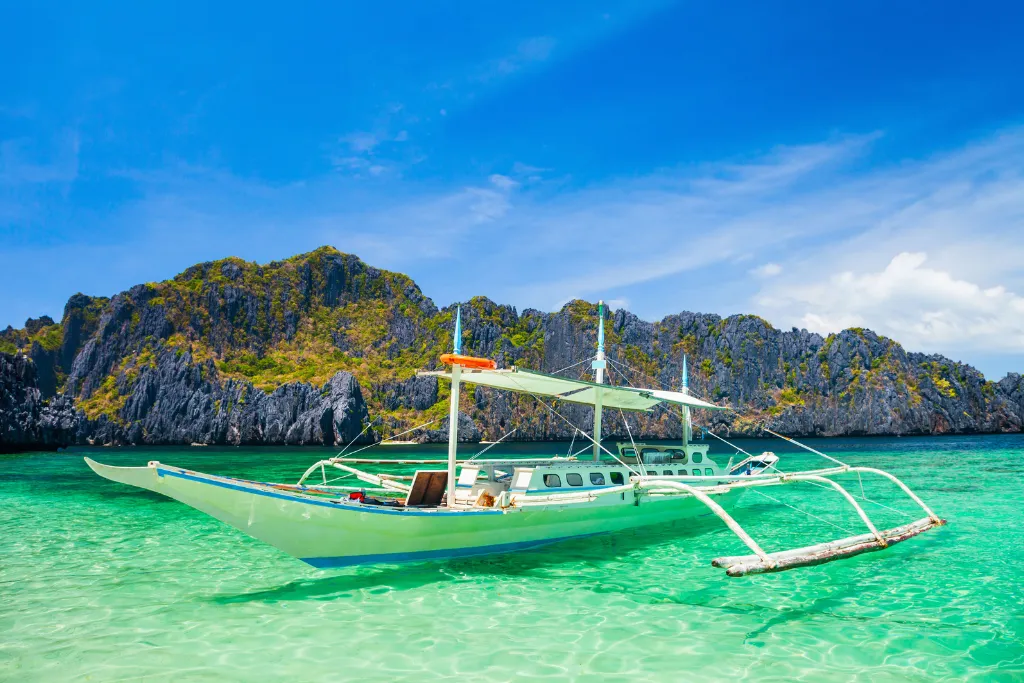
Unlocking secluded ancestral territories requires moving past public transit bottlenecks. Coordinating private aviation charters, dedicated maritime vessels, and premium overland vehicles eliminates unnecessary friction, allowing guests to reach interior highlands and outlying islets efficiently. Real-time operational oversight guarantees fluid transitions while navigating tropical weather patterns. This level of logistical precision ensures guests remain secure, relaxed, and fully present throughout their voyage.
Designing Culture & Heritage Journeys with Discovery DMC
Facilitating profound encounters between discerning travelers and sovereign tribal communities demands long-term trust built over generations. Drawing upon over 20 years of bespoke ground handling expertise across Asia, Discovery DMC collaborates directly with international travel advisors to design private Culture & Heritage Journeys. These tailored itineraries emphasize authenticity, sustainability, and complete logistical reassurance:
- Privileged Cultural Access: Guests explore ancestral territories alongside vetted anthropologists, cultural historians, and village elders who provide context rarely found in travel literature.
- Customary Compliance: Experienced ground liaisons secure local community clearances and observe tribal protocols well ahead of arrival, ensuring visits remain welcome and respectful.
- Continuous Support: Dedicated teams deliver 24/7 on-the-ground coordination, providing travel partners with operational reliability and seamless execution across every island transfer.
By entrusting complex logistics to seasoned regional specialists, travel advisors deliver transformative encounters that honor local agency. Discerning guests discover authentic philippines local culture experiences tourist wouldn’t know, experiencing living heritage through itineraries curated with intelligence, elegance, and profound care.
Architecting Rare Cultural Encounters Across the Archipelago
Experiencing the archipelago’s living soul means venturing far beyond conventional resort paths into sacred enclaves of heritage. From the cosmological patterns channeled by master dreamweavers to the ancient craftsmanship of ancestral saltmaking, the islands offer profound discoveries when approached with reverence. Accessing authentic philippines local culture experiences tourist wouldn’t know requires moving with humility, honoring tribal sovereignty, and observing customary community protocols at every step. With over two decades of bespoke ground handling expertise across Asia, Discovery DMC bridges the divide between discerning travelers and sovereign ancestral domains. Through direct relationships with indigenous artisan councils and cultural guardians, reinforced by 24/7 on-the-ground support, we curate private journeys that celebrate living heritage while protecting communal autonomy. Partner with Discovery DMC to curate bespoke Culture & Heritage Journeys across the Philippines Step beyond standard travel routes and encounter an ancient archipelago, where every shared story and traditional craft enriches both the invited guest and the custodians keeping their heritage alive.
Frequently Asked Questions
What are the most authentic Philippine cultural experiences tourists rarely see?
The most authentic encounters center on living ancestral traditions maintained outside commercial circuits. These include attending customary agricultural chanting cycles in mountain terraces, observing sacred backstrap textile creation, and savoring endangered heritage pantry staples like artisanal shoreline salts. Uncovering these authentic philippines local culture experiences tourist wouldn’t know requires private introductions to respected custodians, shifting the encounter from passive observation into meaningful, invited participation.
How do I respectfully visit indigenous communities in the Philippines?
Visiting indigenous communities respectfully begins with securing advance permissions through local elder councils and accredited cultural liaisons. Travelers should always present traditional welcome tokens when customary, adhere strictly to spatial taboos around sacred landmarks, and request explicit verbal permission before taking photographs. Approaching these sovereign domains with patience, modest attire, and quiet reverence ensures visits honor communal autonomy rather than disrupting daily spiritual life.
Can high-end travelers experience remote Philippine culture without sacrificing comfort?
Yes, discerning travelers can access the most secluded ancestral regions while enjoying uncompromising refinement. Specialized ground architecture coordinates private aviation charters, luxury marine transit, and vetted private villas or bespoke heritage lodges near remote cultural sites. Pairing high-level logistical coordination with exclusive access allows guests to immerse themselves in ancient traditions by day and return to exceptional comfort and security each evening.
What is a traditional Filipino dreamweaver and where are they found?
A traditional dreamweaver is an indigenous female artisan, primarily from the T’boli community around Lake Sebu in South Cotabato. Guided by the spirit Fu Dalu, these revered weavers receive complex geometric patterns through dreams and translate them into sacred t’nalak abaca cloth. Each textile requires months of intricate tying, natural bark dyeing, and backstrap loom weaving, representing a direct spiritual dialogue between the artisan and her ancestral cosmology.
Why is bespoke travel design necessary for cultural travel in the Philippines?
Standard travel routes simply don’t navigate the intricate geography or delicate customary permissions of the archipelago. Bespoke travel design bridges this divide by aligning private aviation, maritime routes, and tribal council clearances into one fluid itinerary. Dedicated ground planners handle tribal protocols and weather contingencies, allowing guests to experience authentic philippines local culture experiences tourist wouldn’t know safely, seamlessly, and with total peace of mind.
Is an organized cultural tour better than independent travel in the Philippines?
Private, professionally architected journeys offer distinct advantages over independent travel and mass-market group excursions. Independent travelers often face difficult inter-island transfers and lack the community relationships needed to access sacred enclaves. Conversely, curated Culture & Heritage Journeys provide privileged introductions to master artisans, accompanied by cultural historians and 24/7 logistical oversight, ensuring an effortless, deeply ethical cultural immersion that independent arrangements rarely achieve.
Article by
Mika Itavaara
Mika is the founder of Discovery DMC, a destination management company crafting high-end, experiential trips across Asia. With over 25 years in the travel business — including years spent living and working in Myanmar — he’s based in Chiang Mai and writes here about the places, people, and ideas behind the trips Discovery designs.



Comments are closed.