
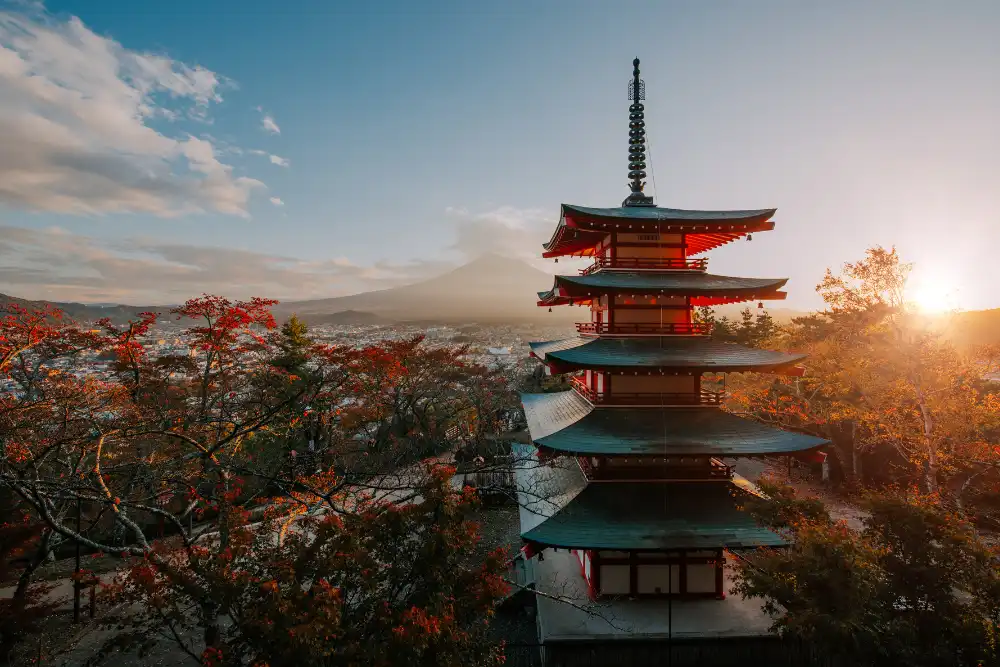
Japan is a year-round destination, but choosing when to visit can make a huge difference in your experience. From iconic cherry blossoms to peaceful winter landscapes, each season offers something unique. However, timing your trip wisely can also help you avoid overwhelming crowds and enjoy a more relaxed journey.
Here’s everything you need to know about Japan’s travel seasons—and how to plan smart.
Spring (March – May): Cherry Blossom Magic
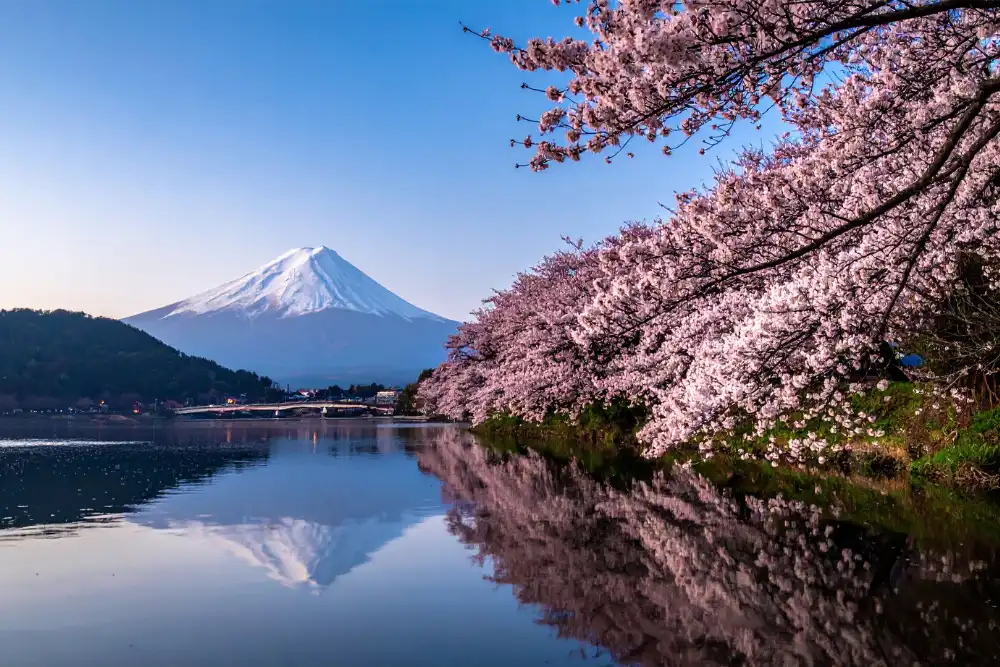
Spring is Japan’s most famous travel season, thanks to the breathtaking cherry blossoms (sakura).
Why go:
- Stunning pink and white blooms across cities and parks
- Mild, comfortable weather
- Festivals and traditional events
Downside:
- This is peak tourist season, especially late March to early April
- Hotels and flights are expensive and book out quickly
Crowd tip:
Visit less crowded regions like Tohoku or Kyushu instead of Tokyo and Kyoto, or travel in early March before full bloom.
Summer (June – August): Festivals & Energy
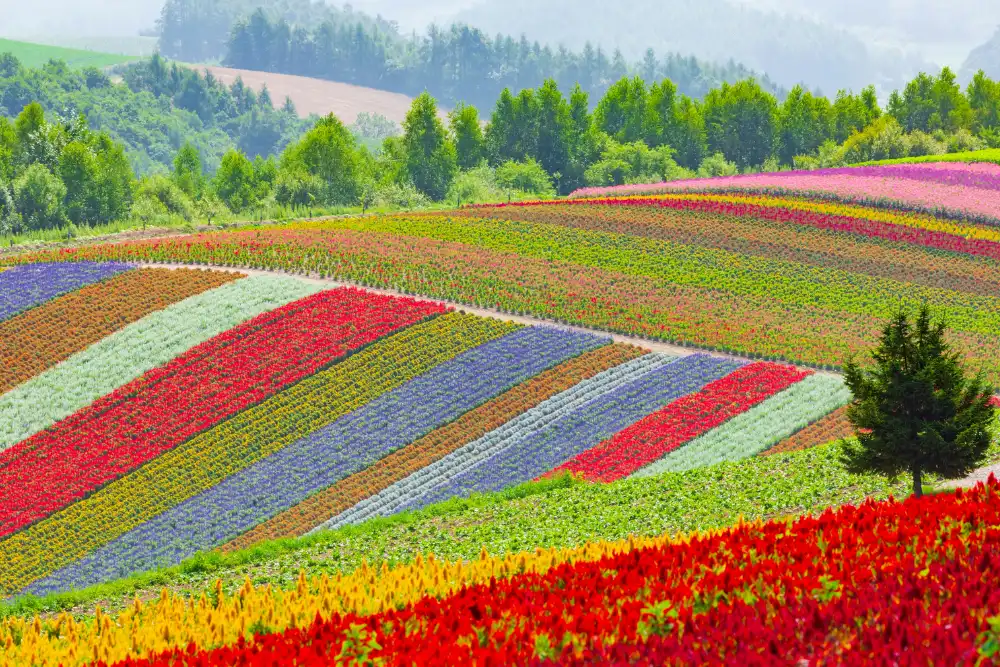
Summer in Japan is vibrant, filled with fireworks, festivals, and cultural experiences.
Why go:
- Famous festivals (matsuri) and fireworks displays
- Great time to explore the mountains or northern Japan
- Lively atmosphere everywhere
Downside:
- Hot and humid, especially in cities
- June is rainy season in much of the country
Crowd tip:
Head to Hokkaido, where the weather is cooler and crowds are thinner.
Autumn (September – November): Colorful & Comfortable
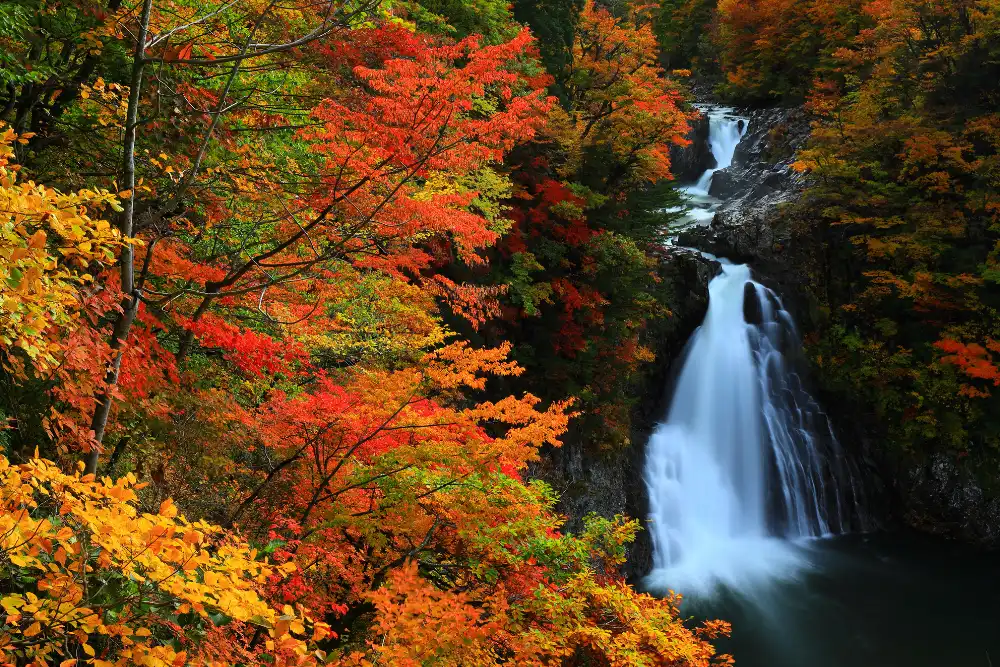
Autumn rivals spring in beauty, with brilliant red and orange foliage.
Why go:
- Comfortable temperatures
- Stunning fall colors
- Fewer crowds than cherry blossom season
Downside:
- Popular foliage spots can still get busy
- Typhoon season may affect early September travel
Crowd tip:
Travel in late November for fewer tourists while still catching fall colors.
Winter (December – February): Quiet & Scenic
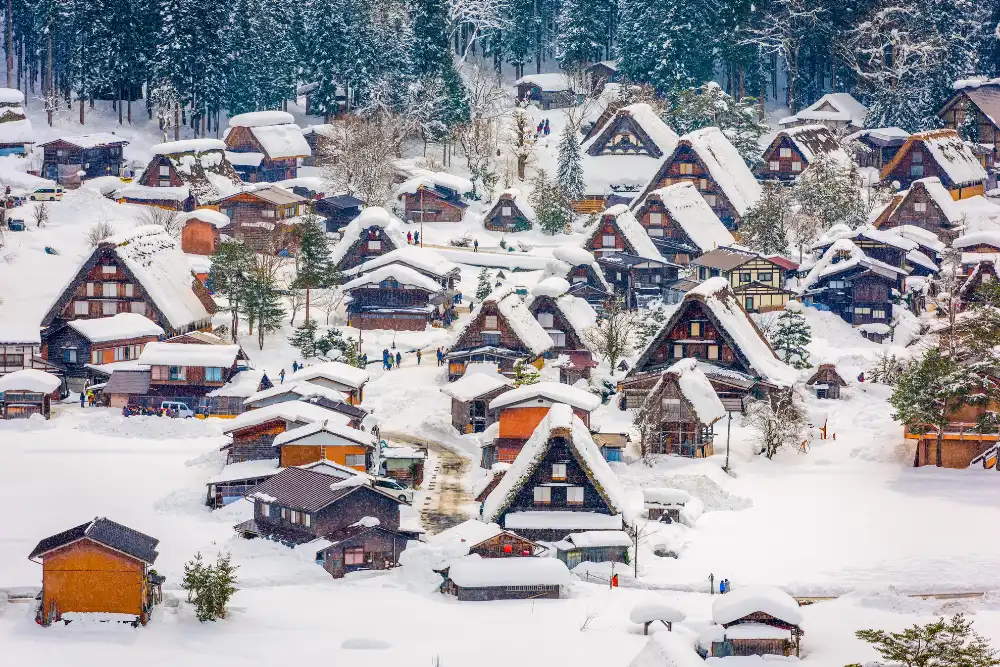
Winter is Japan’s most underrated season—peaceful, scenic, and often budget-friendly.
Why go:
- Fewer tourists (except around New Year)
- Incredible snow scenery and skiing
- Relaxing hot springs (onsen) experience
Downside:
- Cold temperatures
- Some rural attractions may have limited access
Crowd tip:
Avoid New Year holidays (late December–early January), when domestic travel peaks.
Best Times to Avoid Crowds
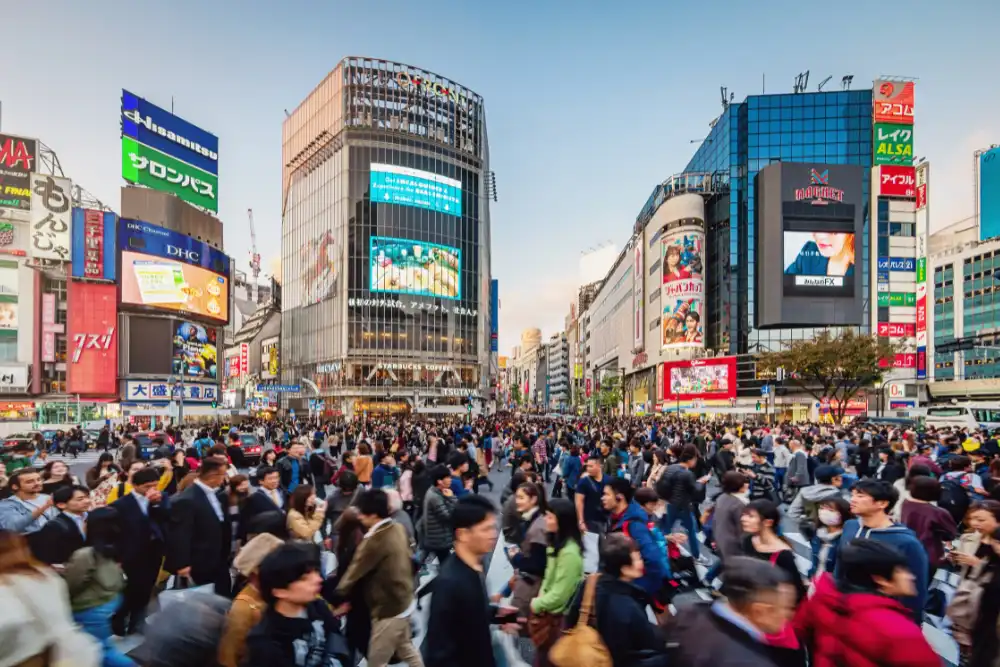
If your goal is a quieter, more relaxed trip, timing is everything.
Travel during “shoulder seasons”:
- Late May (after Golden Week)
- Late November
- Early December
Avoid major Japanese holidays:
- Golden Week (late April – early May)
- Obon Festival (mid-August)
- New Year holidays
Choose lesser-known destinations:
Instead of Tokyo, Kyoto, and Osaka, consider:
- Kanazawa
- Takayama
- Shikoku region
- Northern Honshu
Start your day early:
Popular attractions are much quieter in the early morning.
There’s no “wrong” time to visit Japan—only the time that best fits your travel style. Whether you’re chasing cherry blossoms, autumn leaves, or peaceful winter escapes, thoughtful planning can help you experience the country at its best—without the crowds.
For travelers seeking a balance of great weather and fewer people, late spring and late autumn are often the perfect sweet spots.
Ready to plan your Japan adventure? Our travel experts can help you choose the ideal season and craft a personalized itinerary tailored to your preferences.
Contact us: [email protected]
Explore Our Japan Tours
DISCOVER MORE – Singapore’s Best Boutique & Heritage Hotels for 2025



Comments are closed.